
Still not sure which headlamp to choose?
Take our headlamp test and find the right model based on your sport and your needs.

HEADLAMP GUIDE
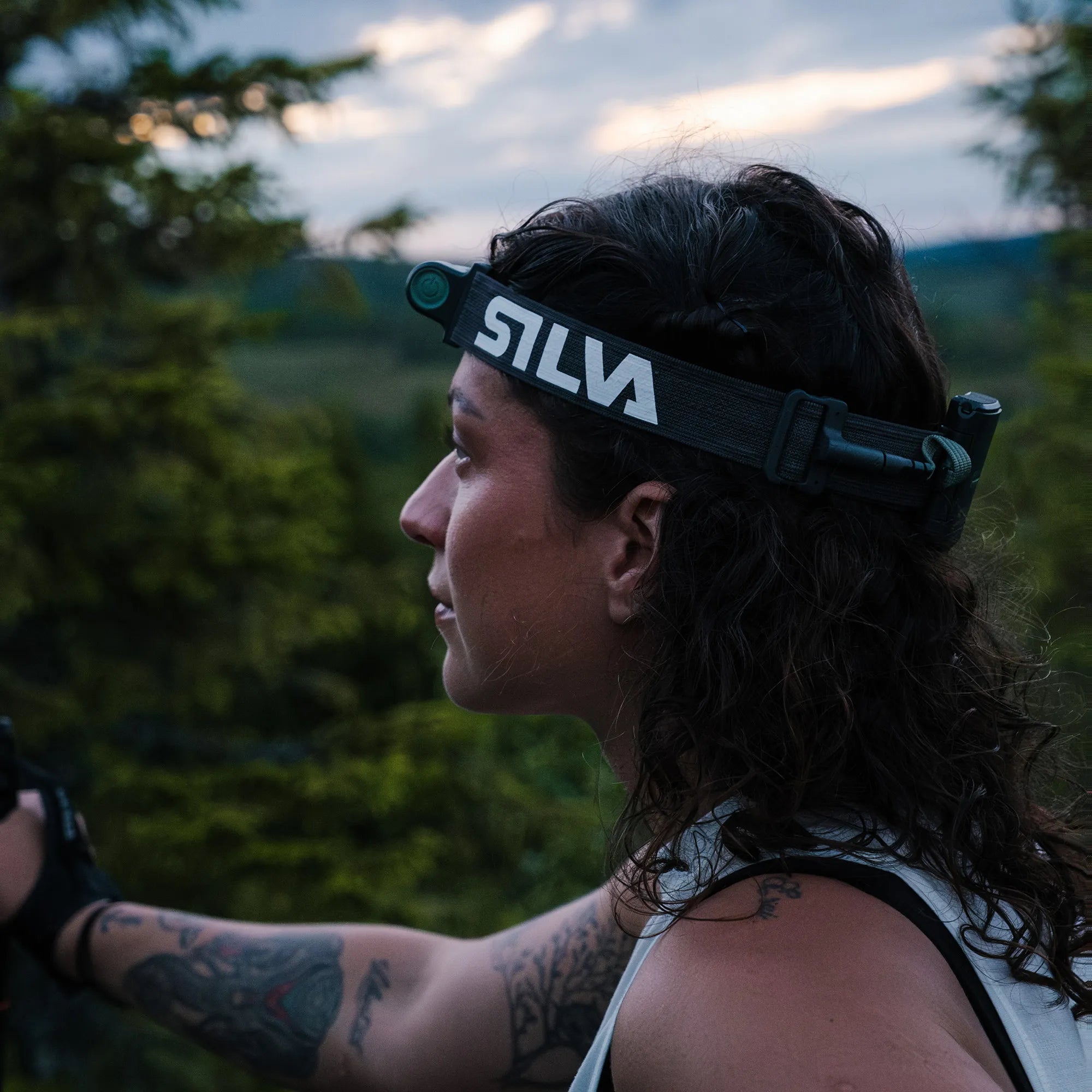
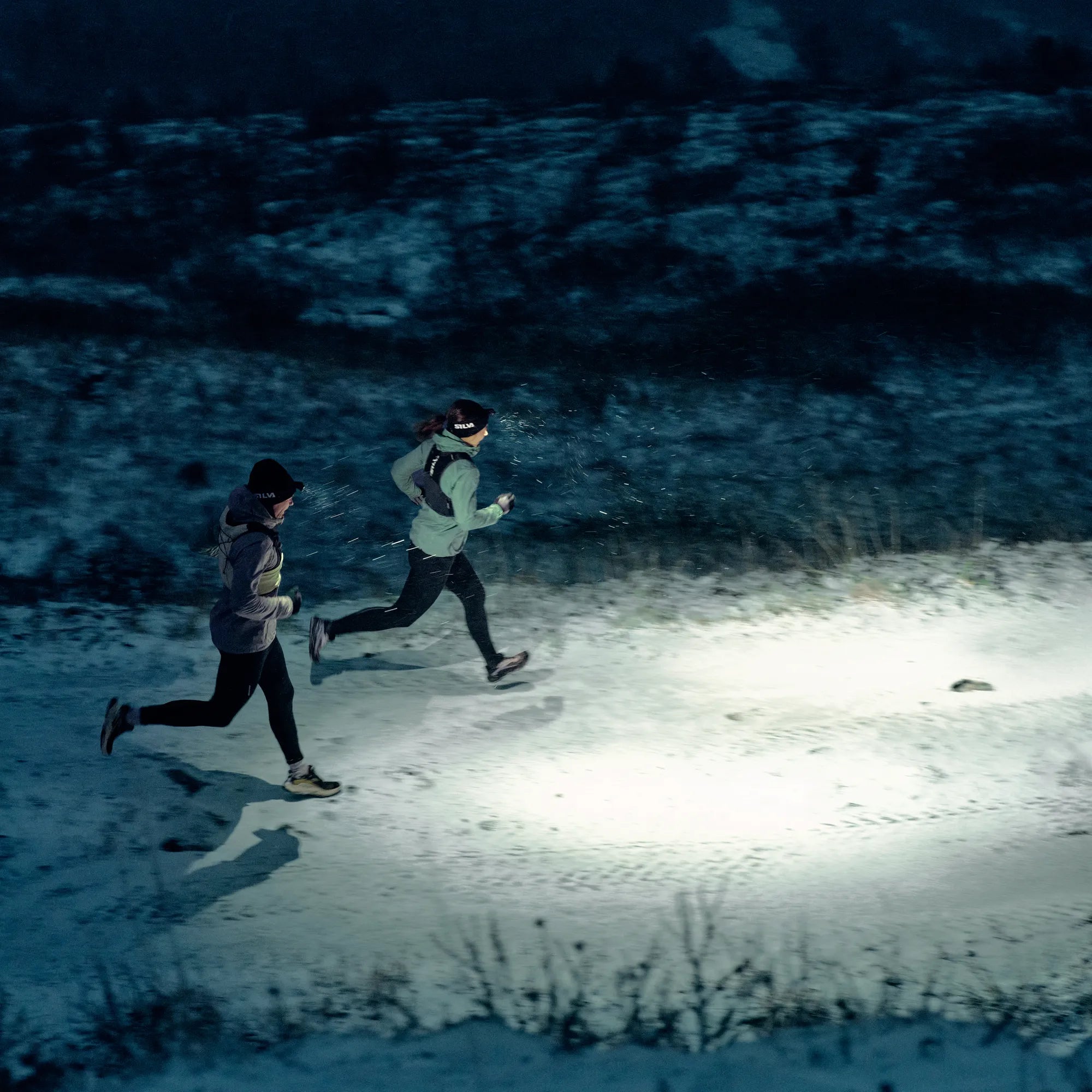
When you run, your head moves a lot – which makes low weight and a comfortable headband fit essential. Many runners focus too much on lumen output, when in reality the beam pattern makes the biggest difference on the trail. Silva’s running headlamps are designed to sit securely, weigh little, and offer a good balance between brightness and burn time. The Free series and Trail Runner Free 2 also feature a cable-free design with the cord integrated into the headband for a smoother, hassle-free running experience.
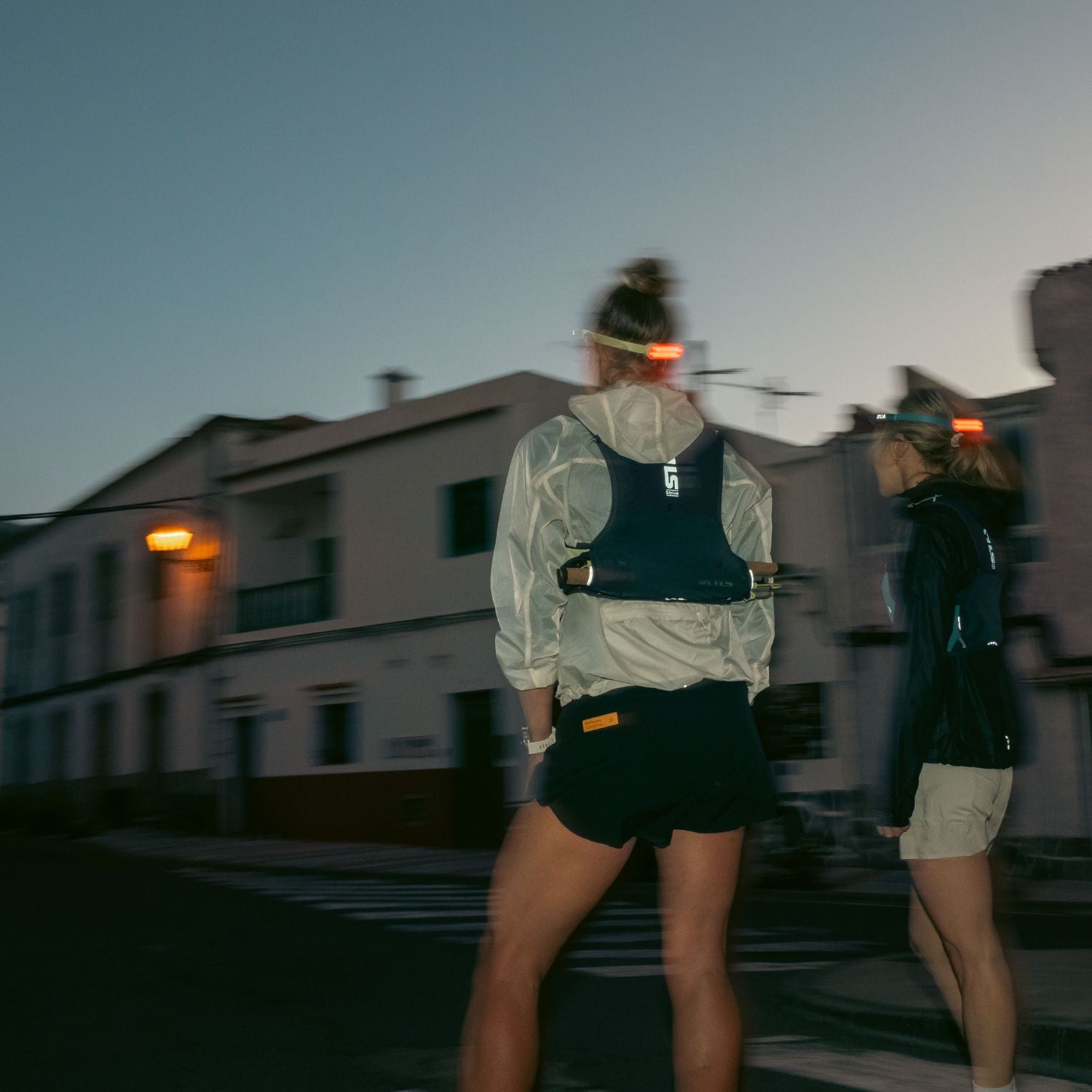
STADSLÖPNING & LANDSVÄG
Find your headlamp for city runs.
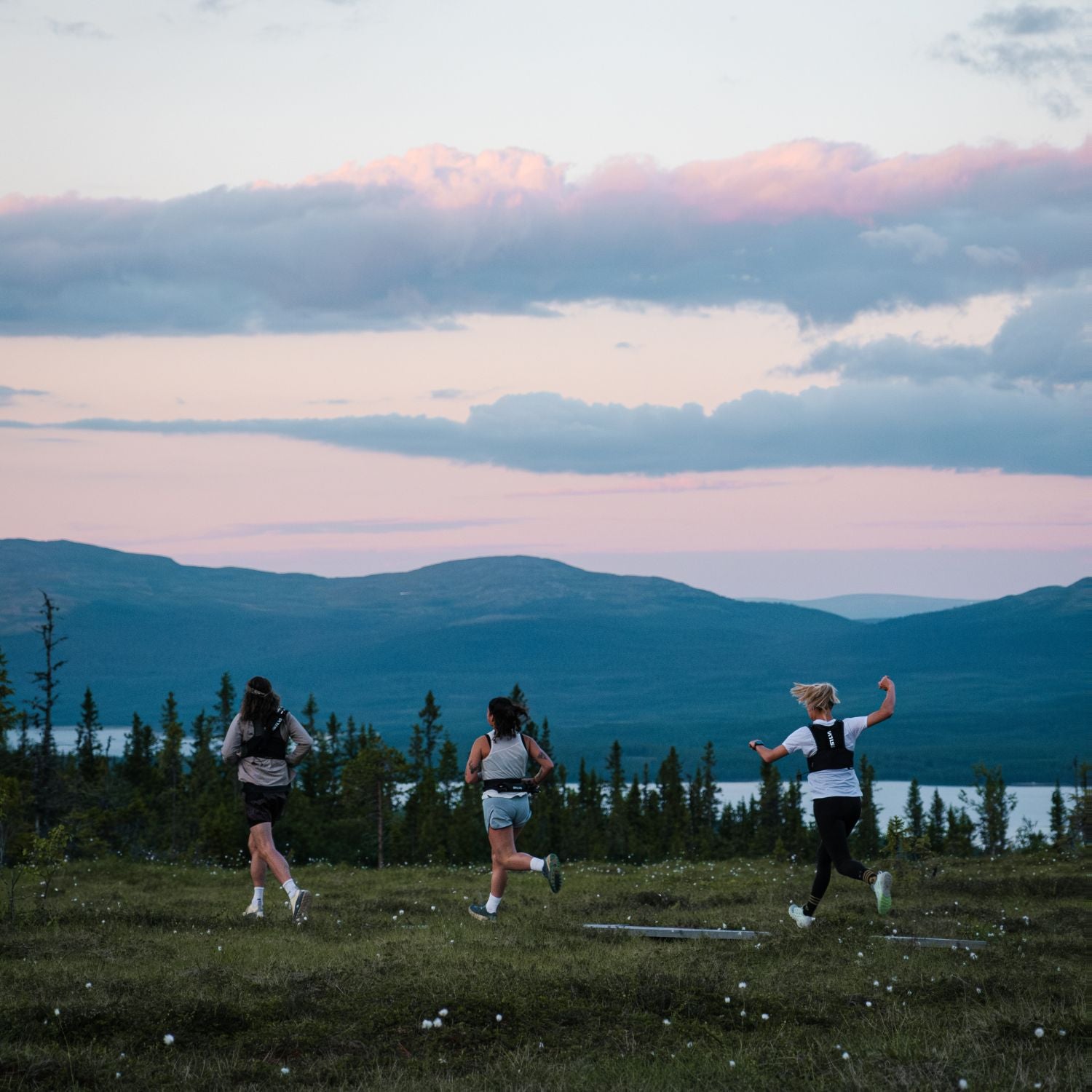
TRAILLÖPNING, SKOGS- & GRUSVÄG
Find your headlamp for trail running.
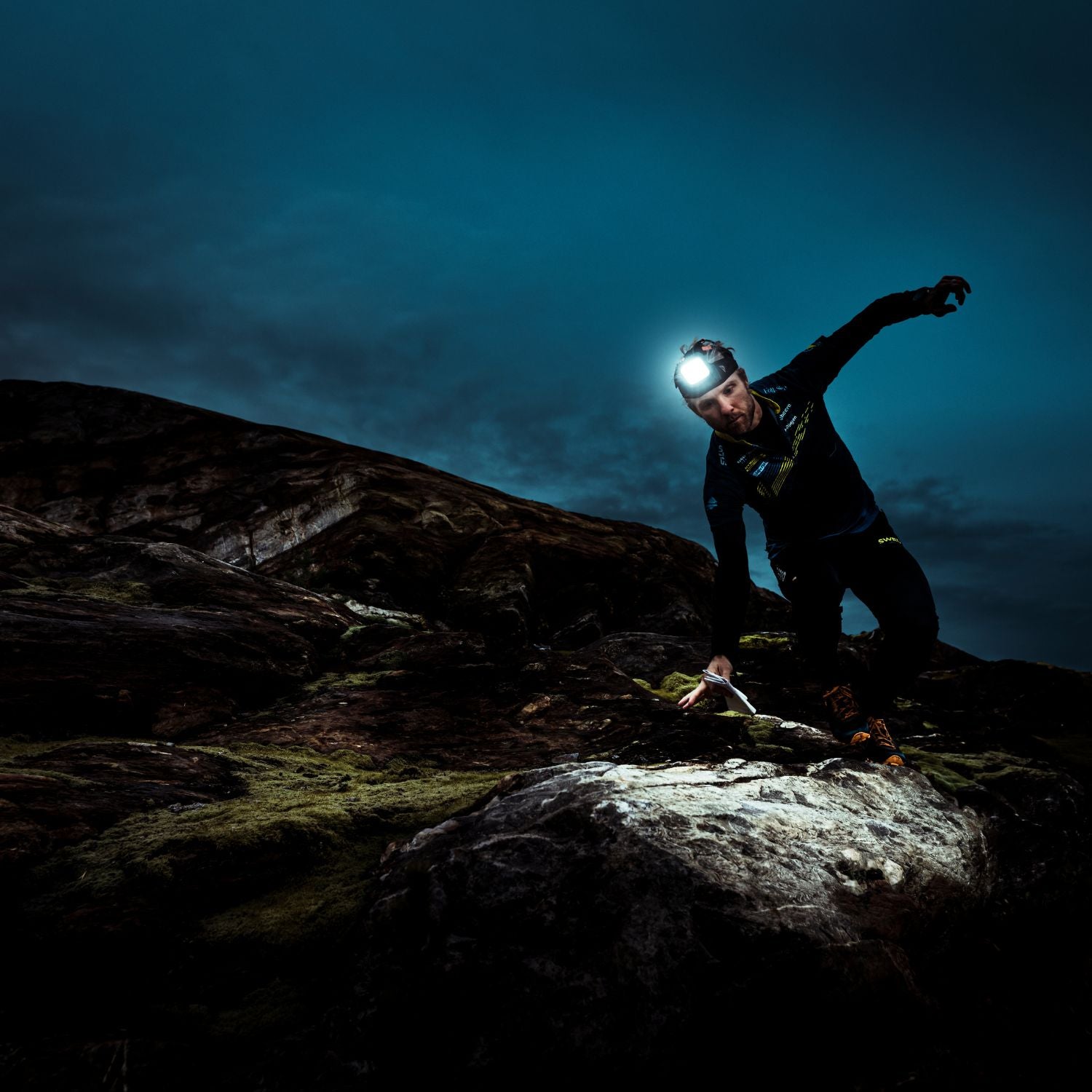
ORIENTERING & OBANAD TERRÄNG
Urban running & road
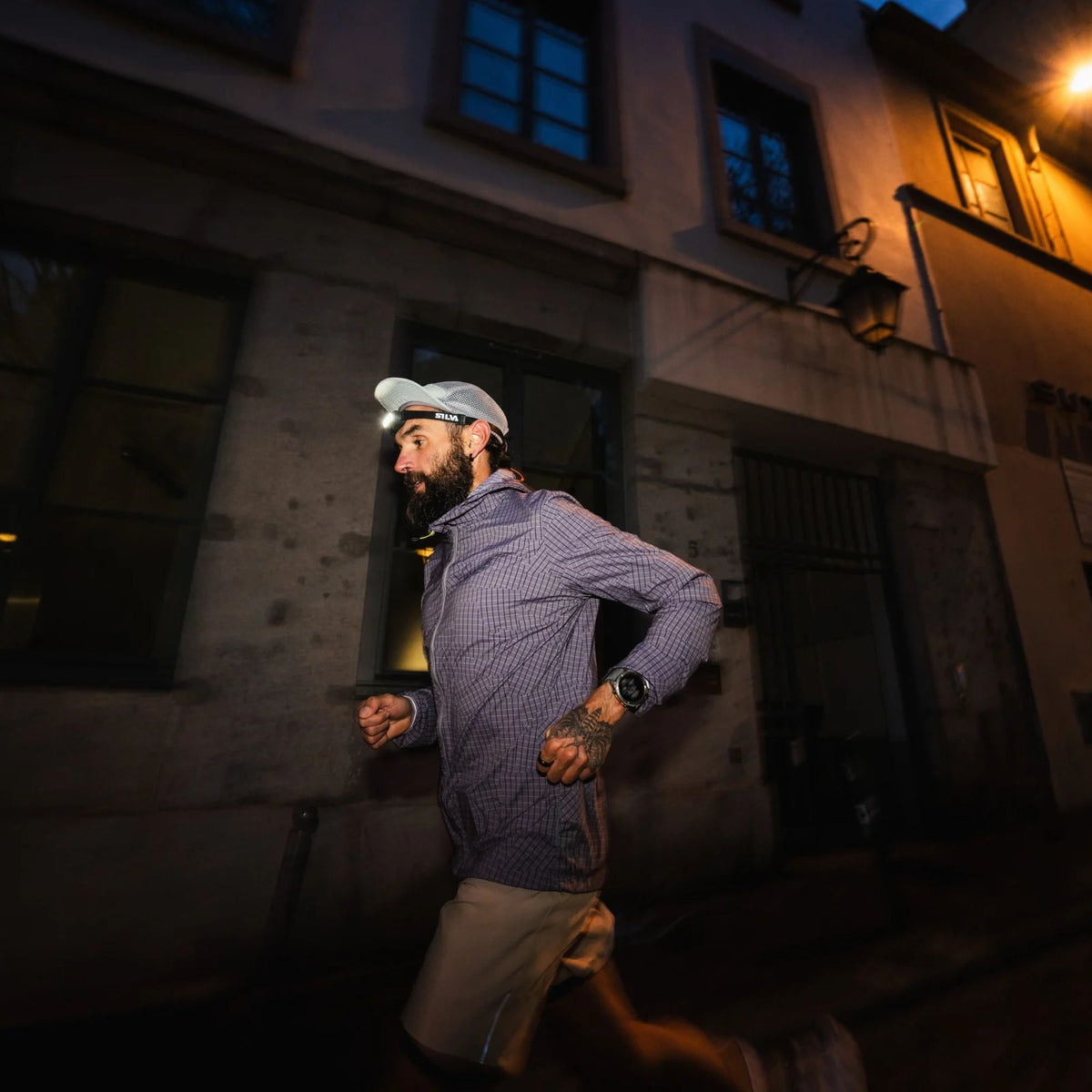
In well-lit environments like cities or illuminated tracks, you don’t need as much brightness – especially if you’re running with friends or in a run club where multiple headlamps complement each other. Running alone on dark country roads requires more light, but still less than on trails since the terrain is usually non-technical.
BRIGHTNESS
250–450 lumens are sufficient for well-lit areas such as city streets and illuminated running trails. 250 lumens are ideal for run clubs or running with others wearing headlamps, while 450–550 lumens are better for solo runs on darker roads.
BATTERY LIFE & WEIGHT
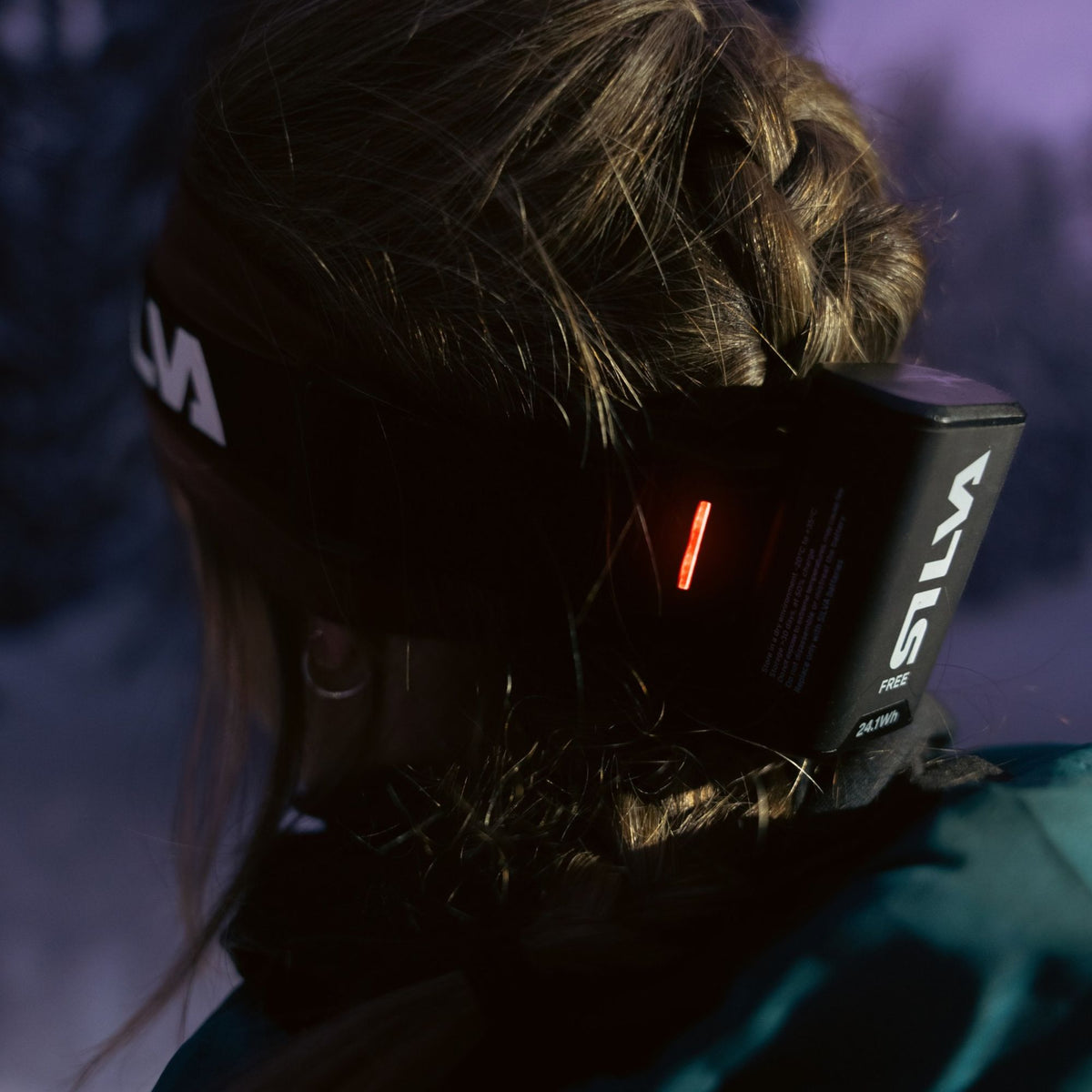
Choose a smaller, lighter battery for shorter runs and a larger battery with longer runtime for longer sessions, especially when using maximum brightness. Keep the battery in your running vest to reduce weight on your head.
EXTRA SYNLIG – EXTRA TRYGG
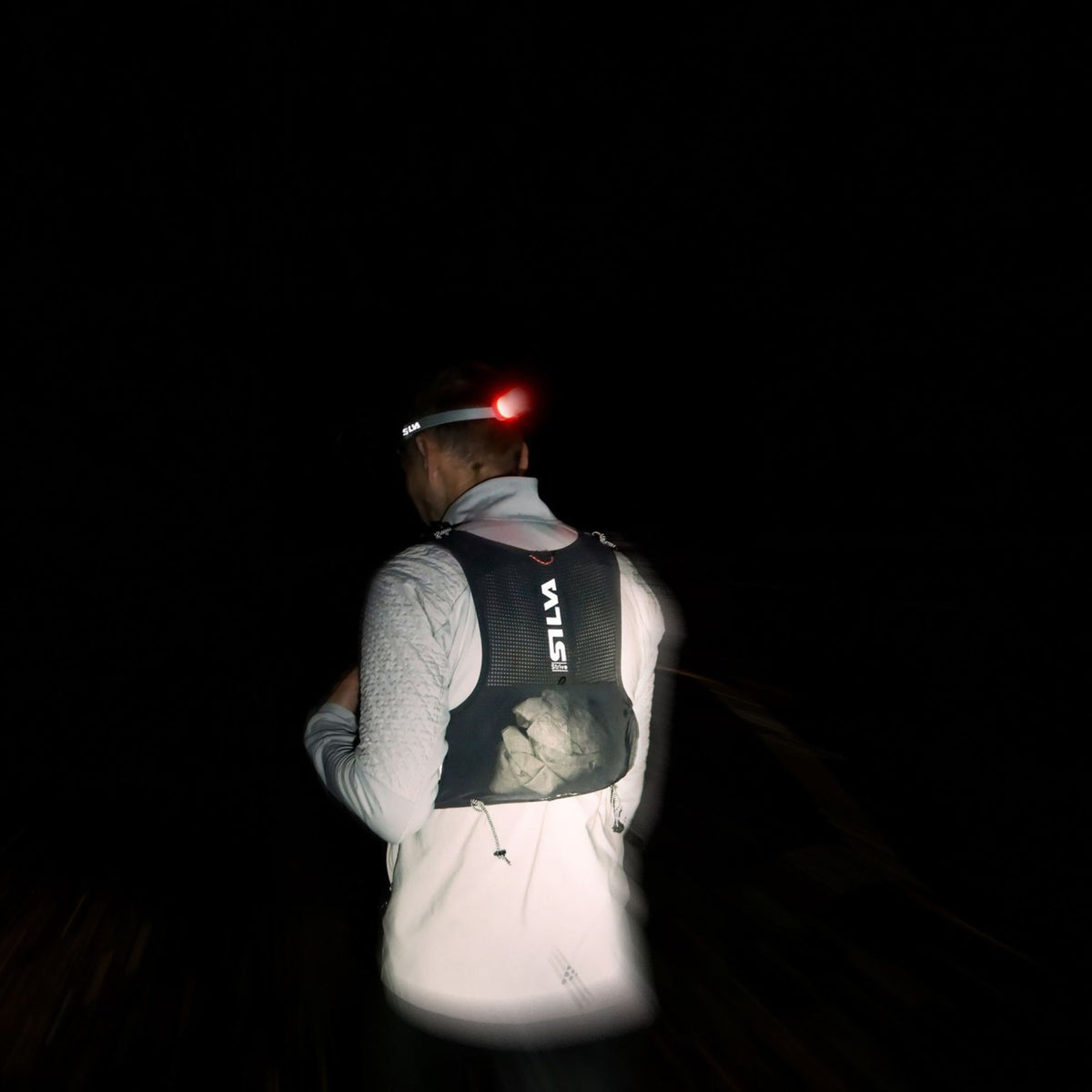
Remember to wear reflective gear. For extra visibility, add the Smini Rear Light, which makes you visible from up to 1,000 metres away and can be attached to your headband, running vest or backpack.


Rechargeable battery • Safety light included • 53 g


Rechargeable battery • Slim 3 mm headband • 38.5 g
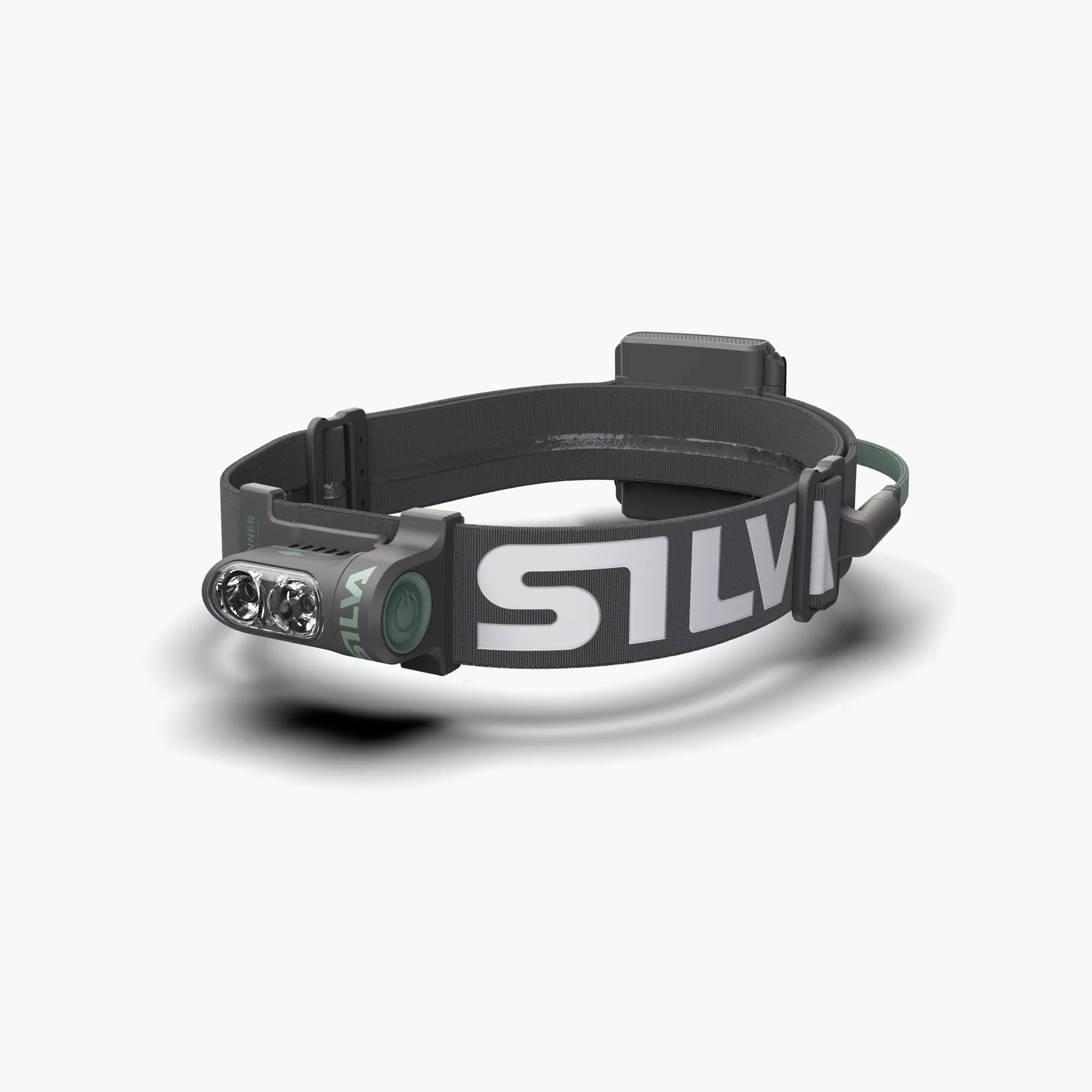
Battery not included • Compatible with AAA & Hybrid


Trail running & gravel
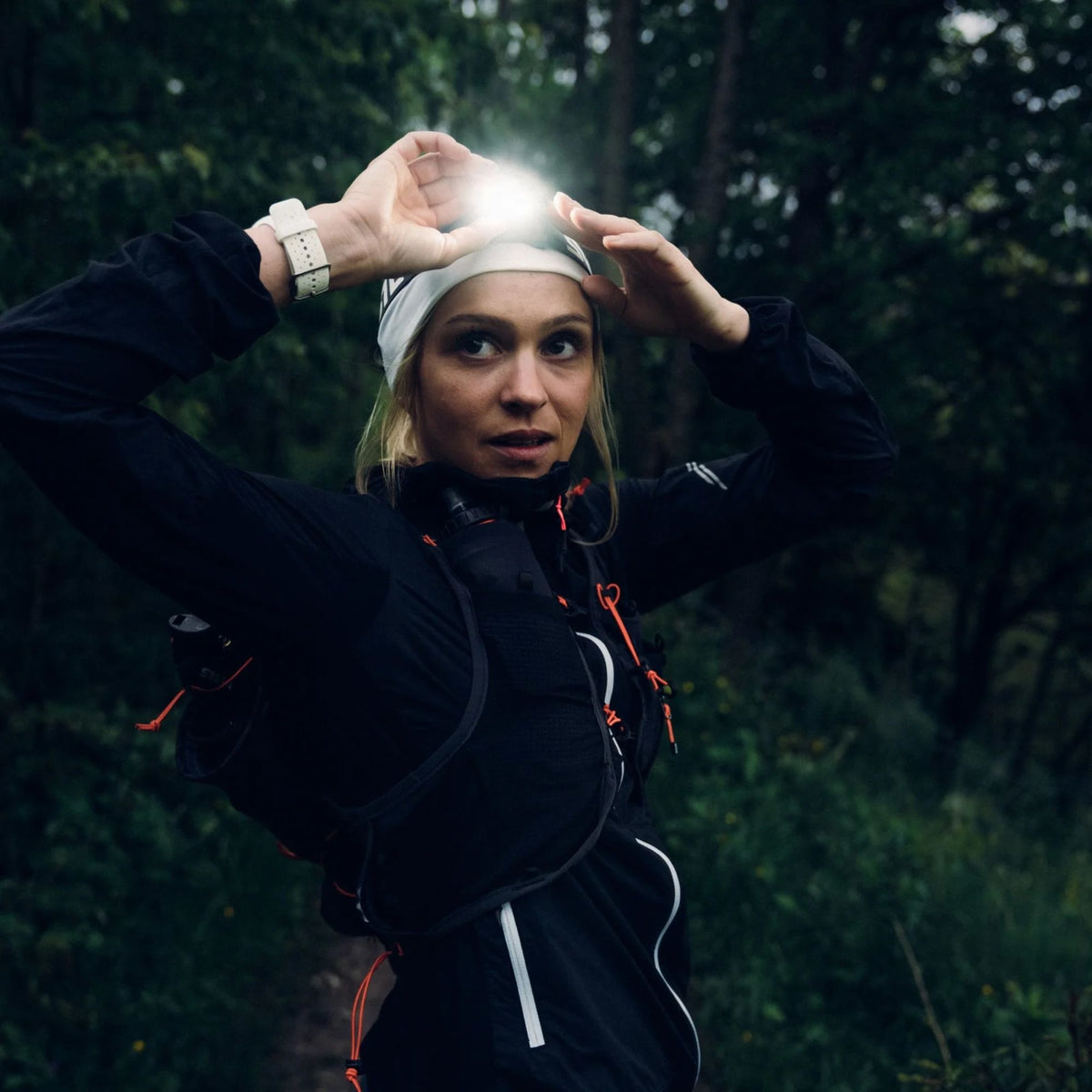
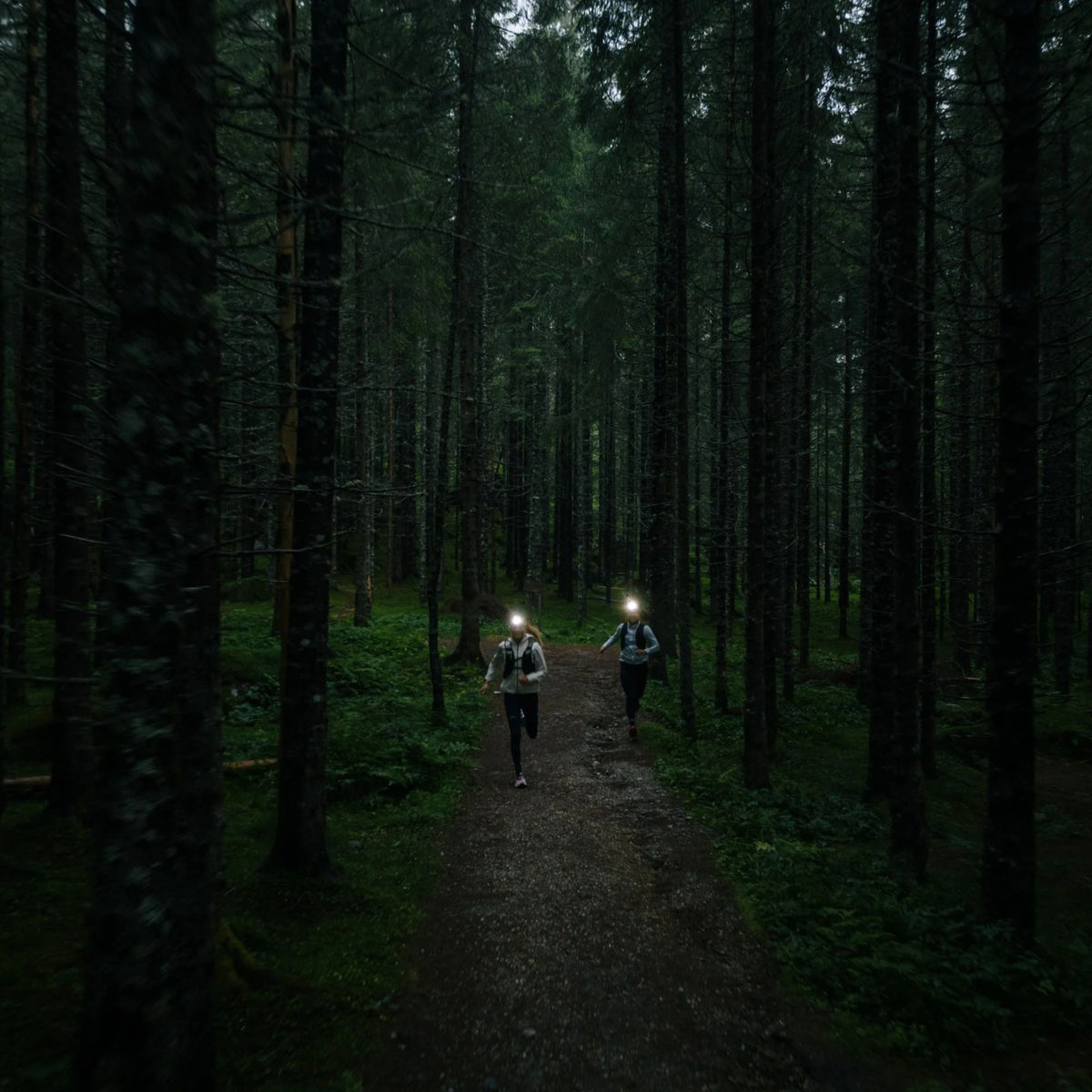
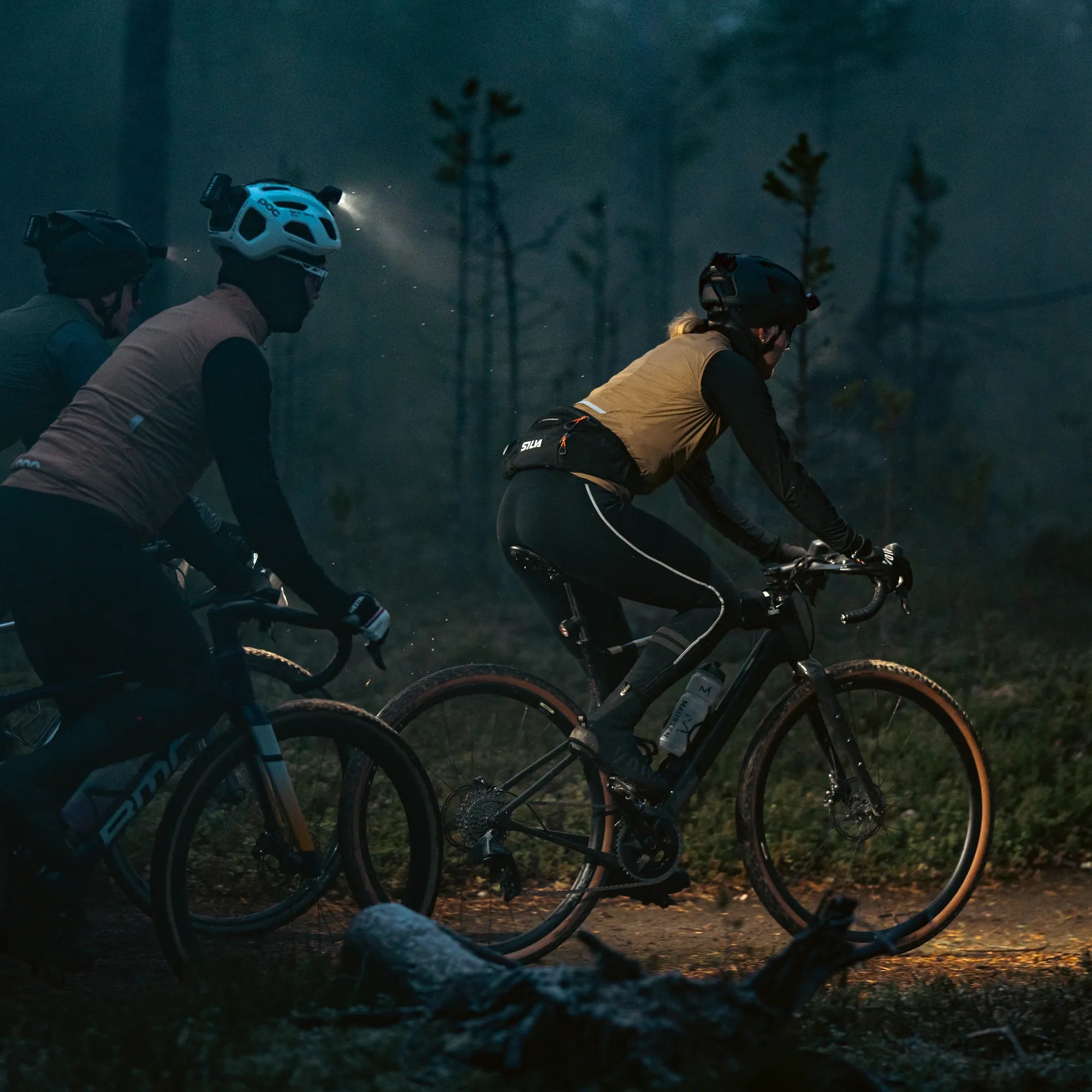
The brightness you need when trail running depends on the terrain. Wide forest paths, gravel roads, and easier trails don’t require as much light as narrow and technical singletracks, where you need to see exactly where you place your feet.
BRIGHTNESS
500 lumens are sufficient for easier trails, forest paths and gravel roads. Around 1100 lumens work well for terrain with occasional technical sections. For narrow, technical trails, 1100–1500 lumens help you see the terrain clearly without slowing down.
Battery Life & Weight
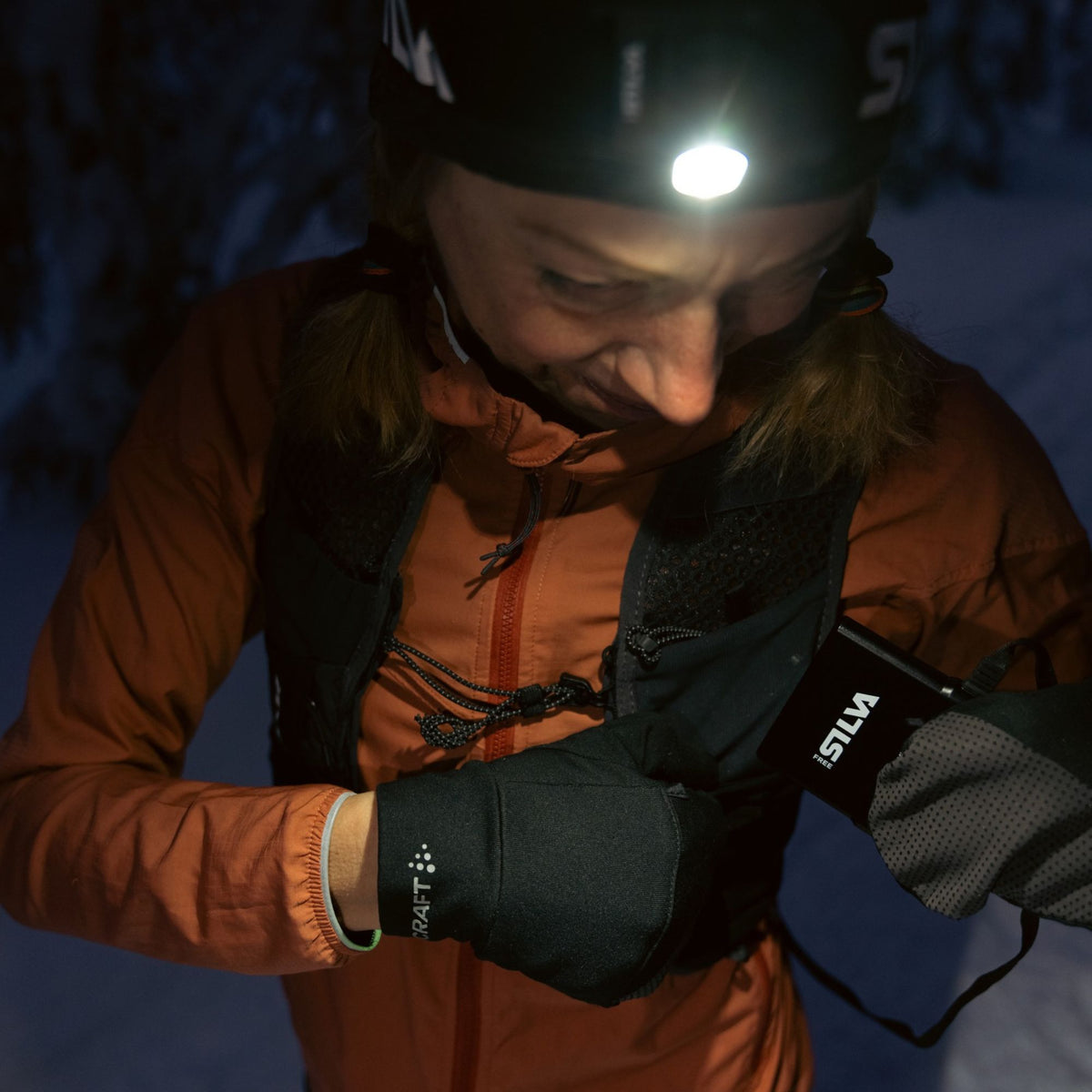
Choose a smaller battery for shorter runs and a larger one with longer runtime for longer sessions. Keep the battery in your running vest to reduce weight on your head. For ultrarunning, two smaller batteries may be more comfortable than one large battery. Alternatively, bring a Smini Fly as a backup headlamp.
SAVE BATTERY
In cold weather, keep the battery in a pocket to maintain battery performance and extend runtime. Remember to dim the light on uphill climbs or easier sections of the trail to make the battery last longer.
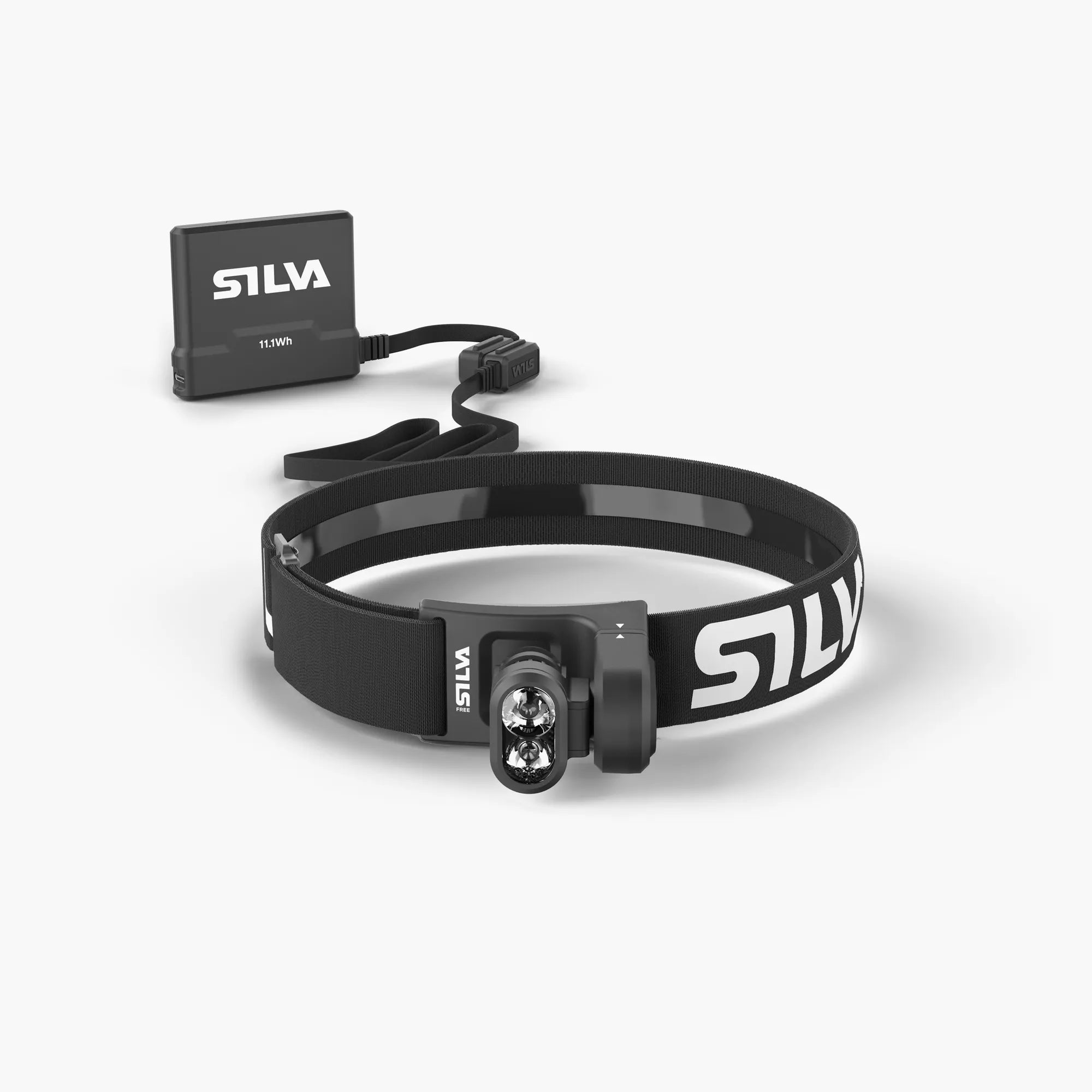
Running, trail running • Burn time (max): 2.5 h
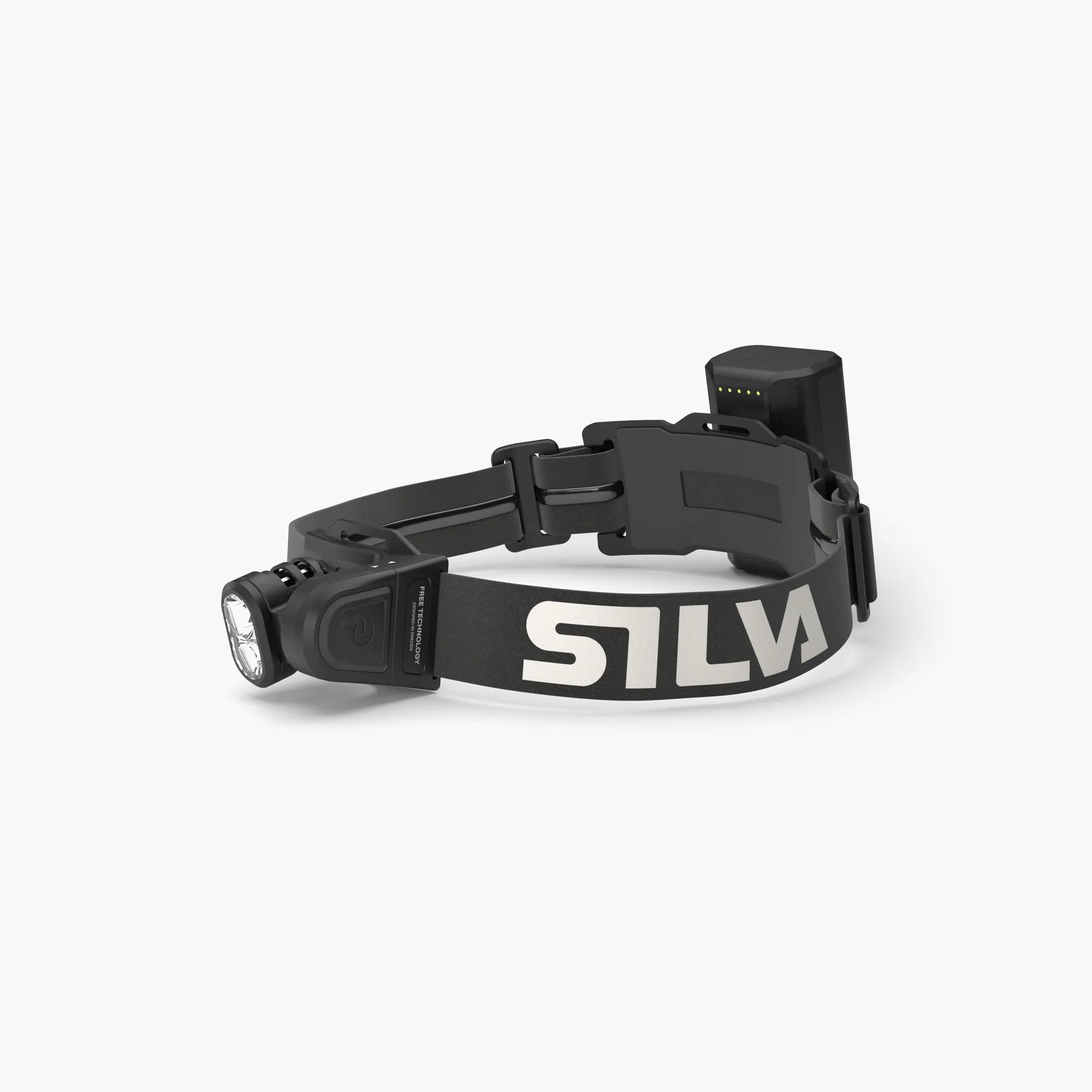
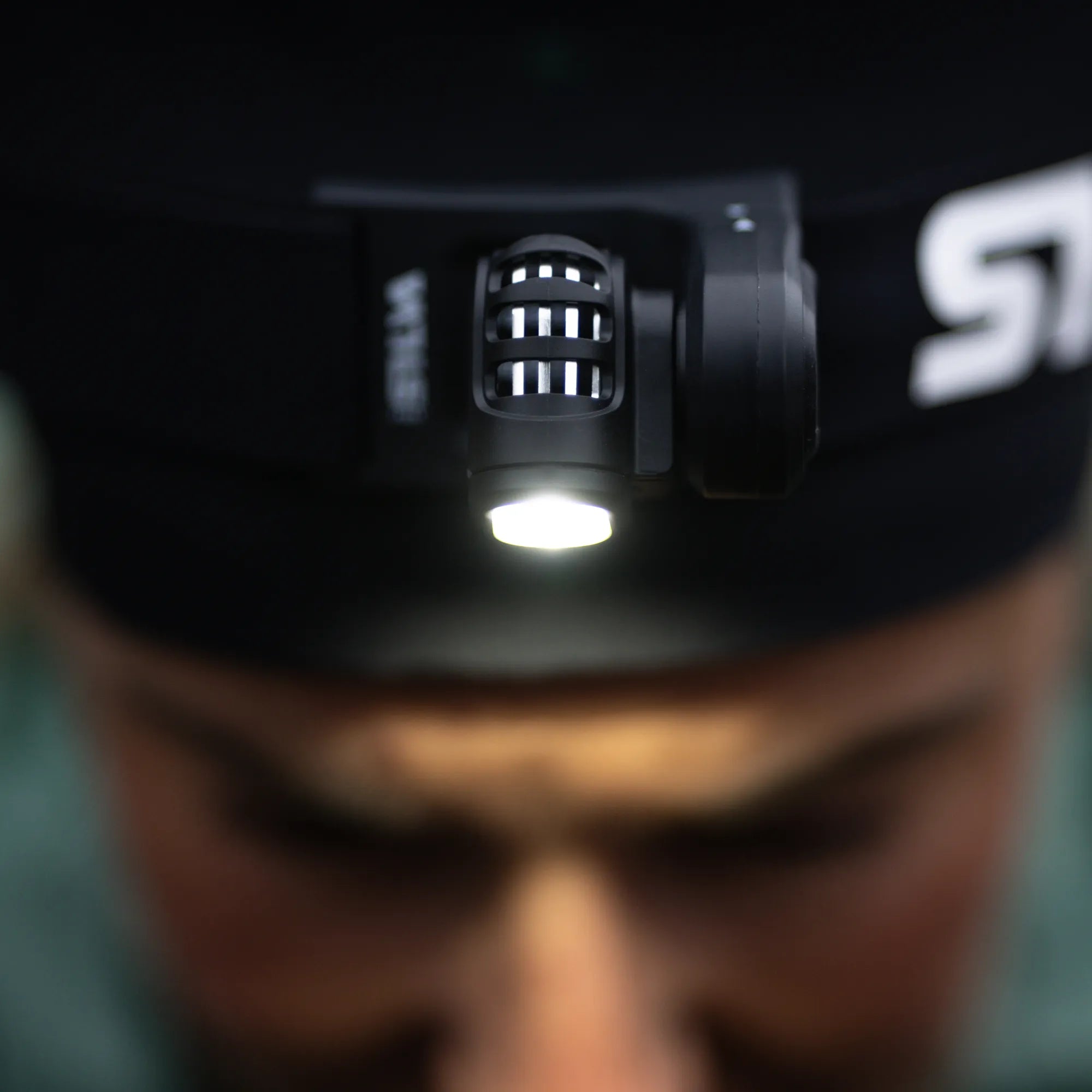
Trail running, XC skiing • Burn time (max) 2–3 h
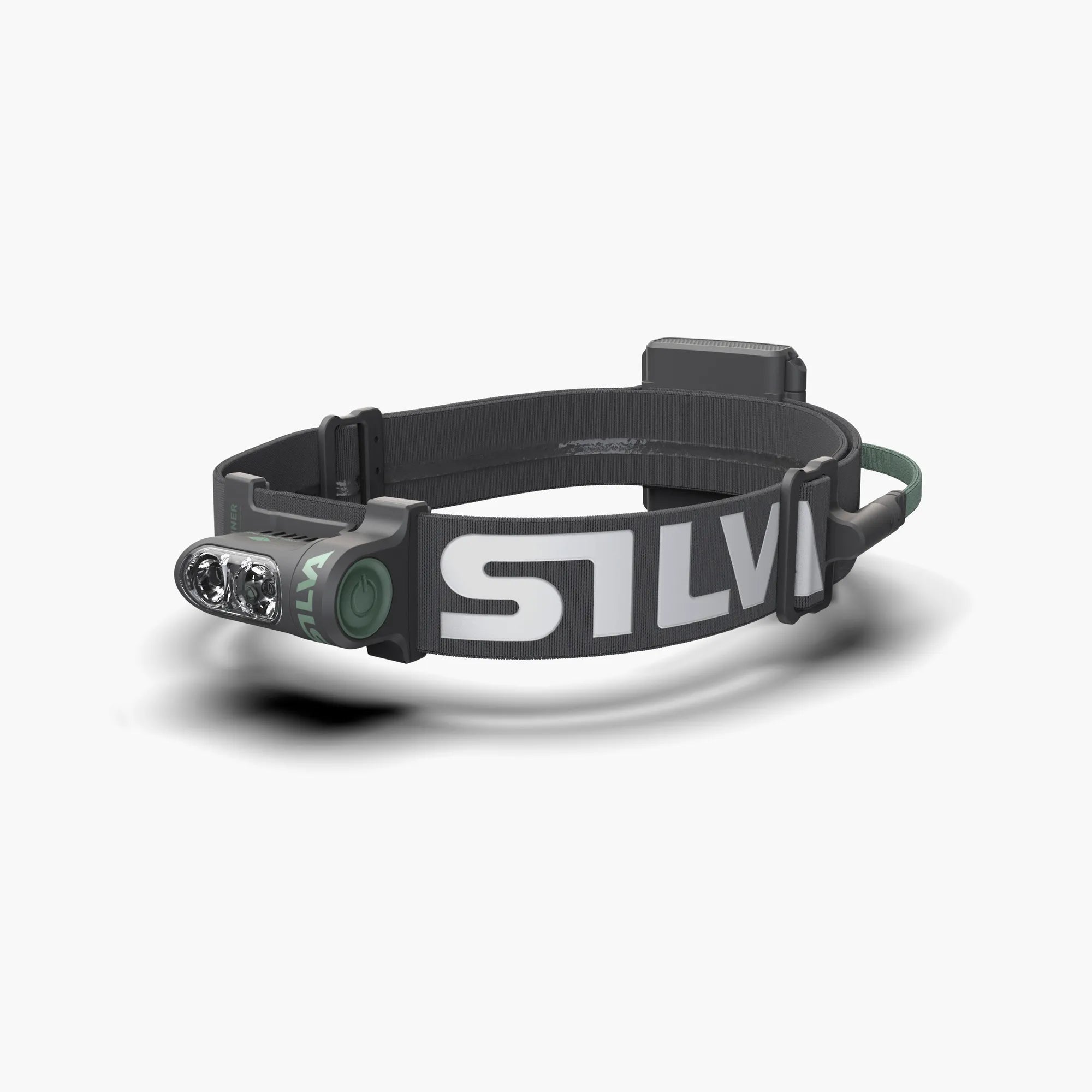
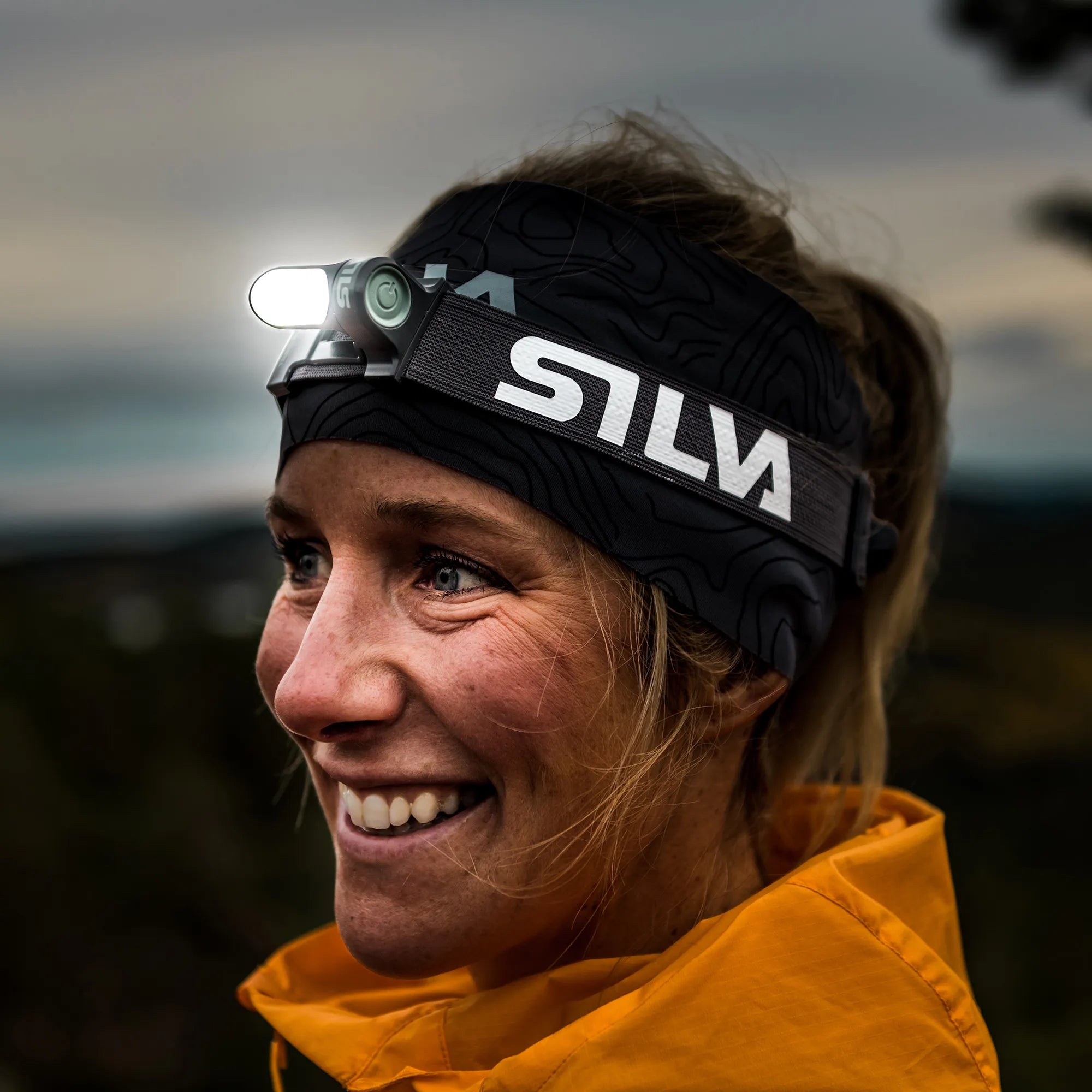
Rechargeable battery • Burn time (max): 3 h
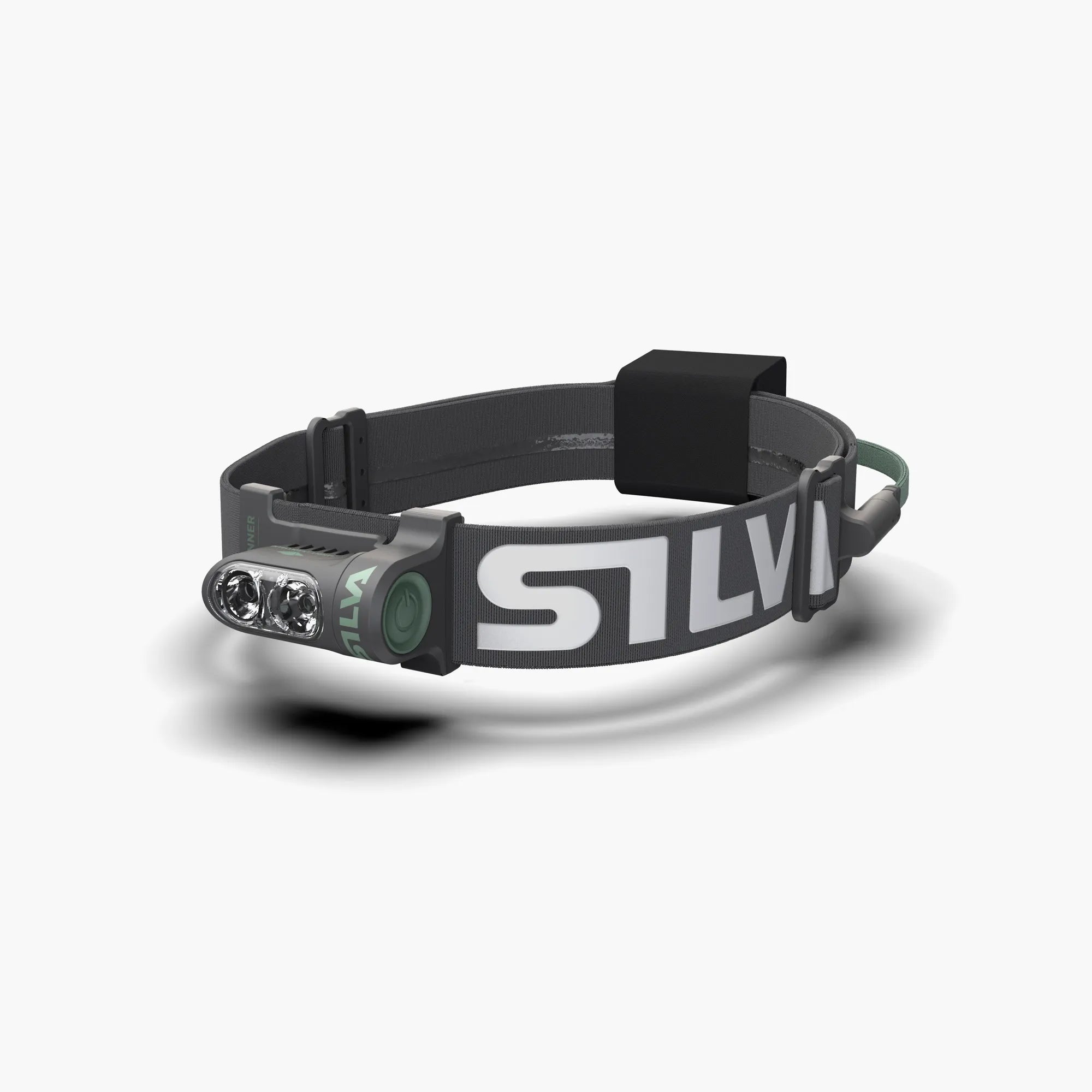

Rechargeable battery • Burn time (max): 7 h
Orienteering & off-trail
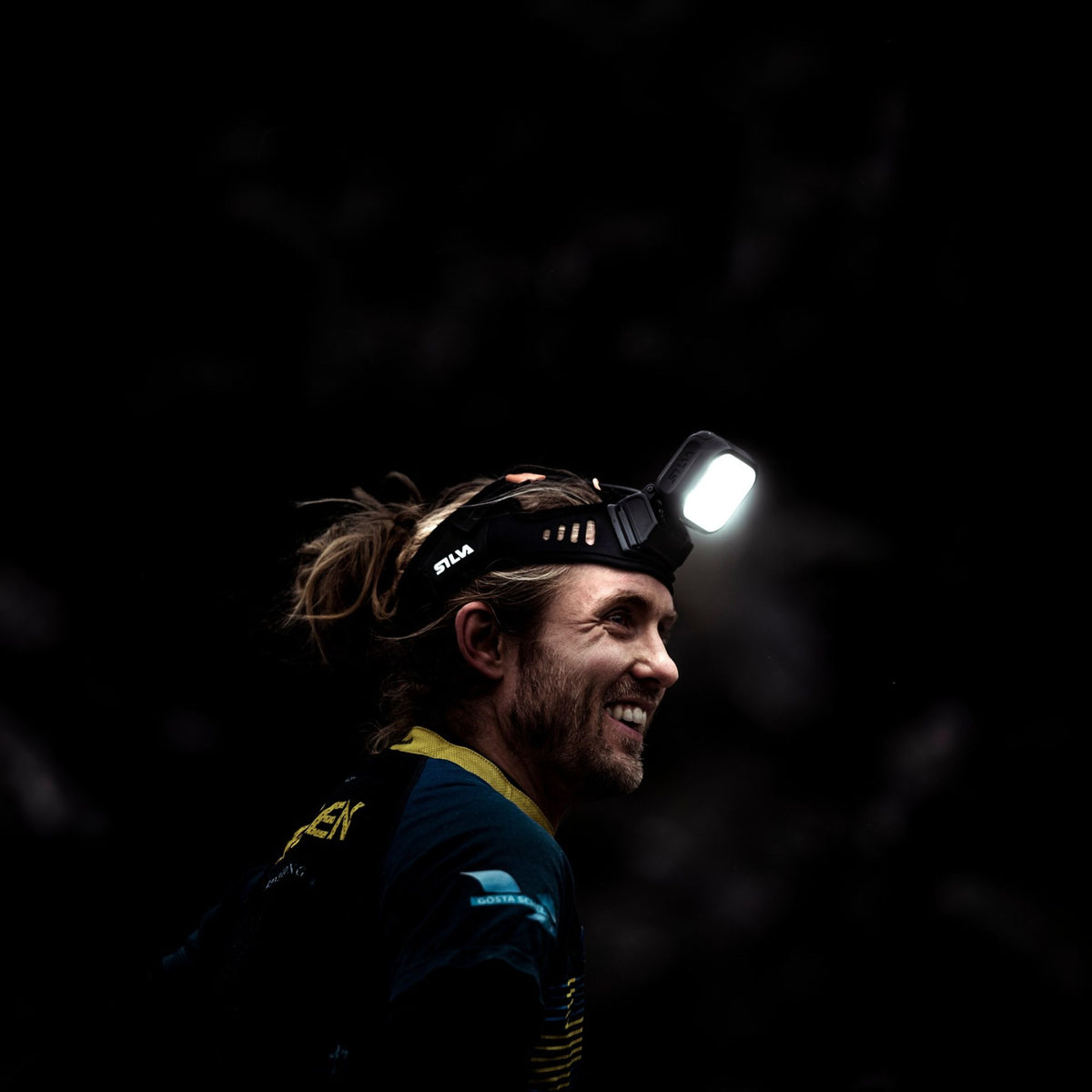
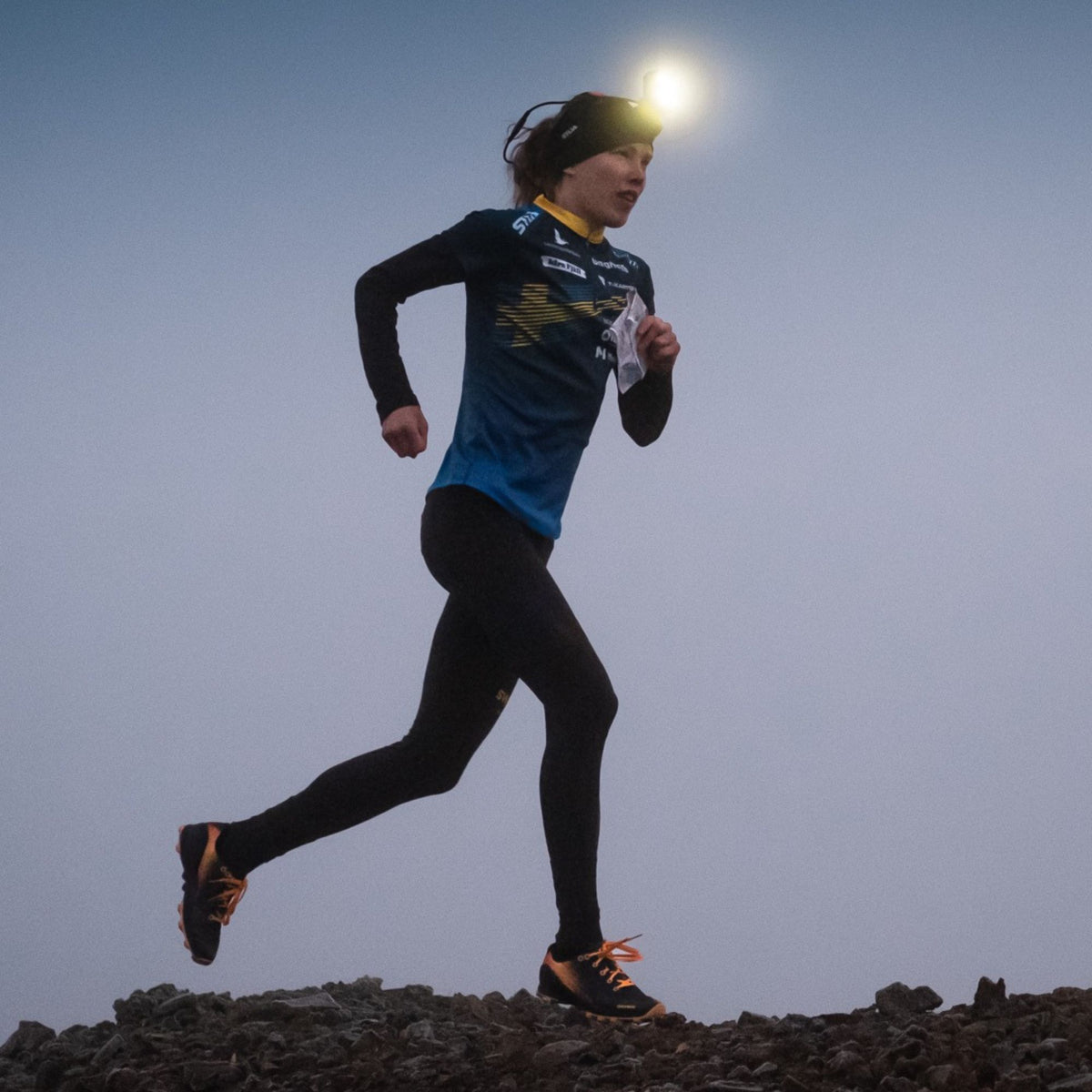
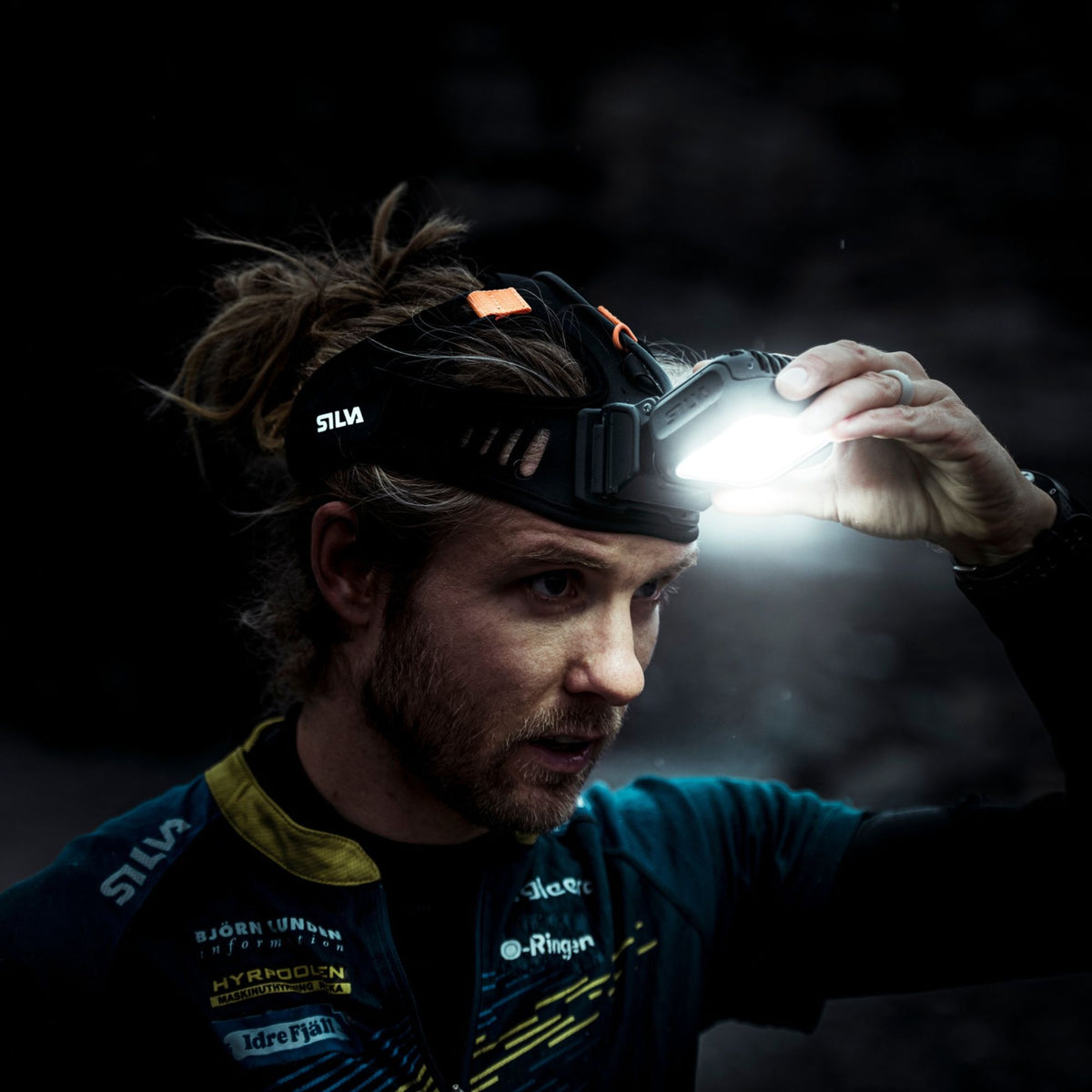
When orienteering or running off-trail, powerful light is crucial to safely navigate roots, rocks, and uneven terrain – especially at high speed. You’ll need headlamps with higher lumen output that can handle technical conditions, and since more light requires more power, a larger battery is necessary.
BRIGHTNESS
2500 lumens are a good starting point for orienteering in challenging terrain. 3400 lumens provide even better visibility at high speeds, while Ignite with 10,000 lumens turns night into day.
BATTERY LIFE & WEIGHT
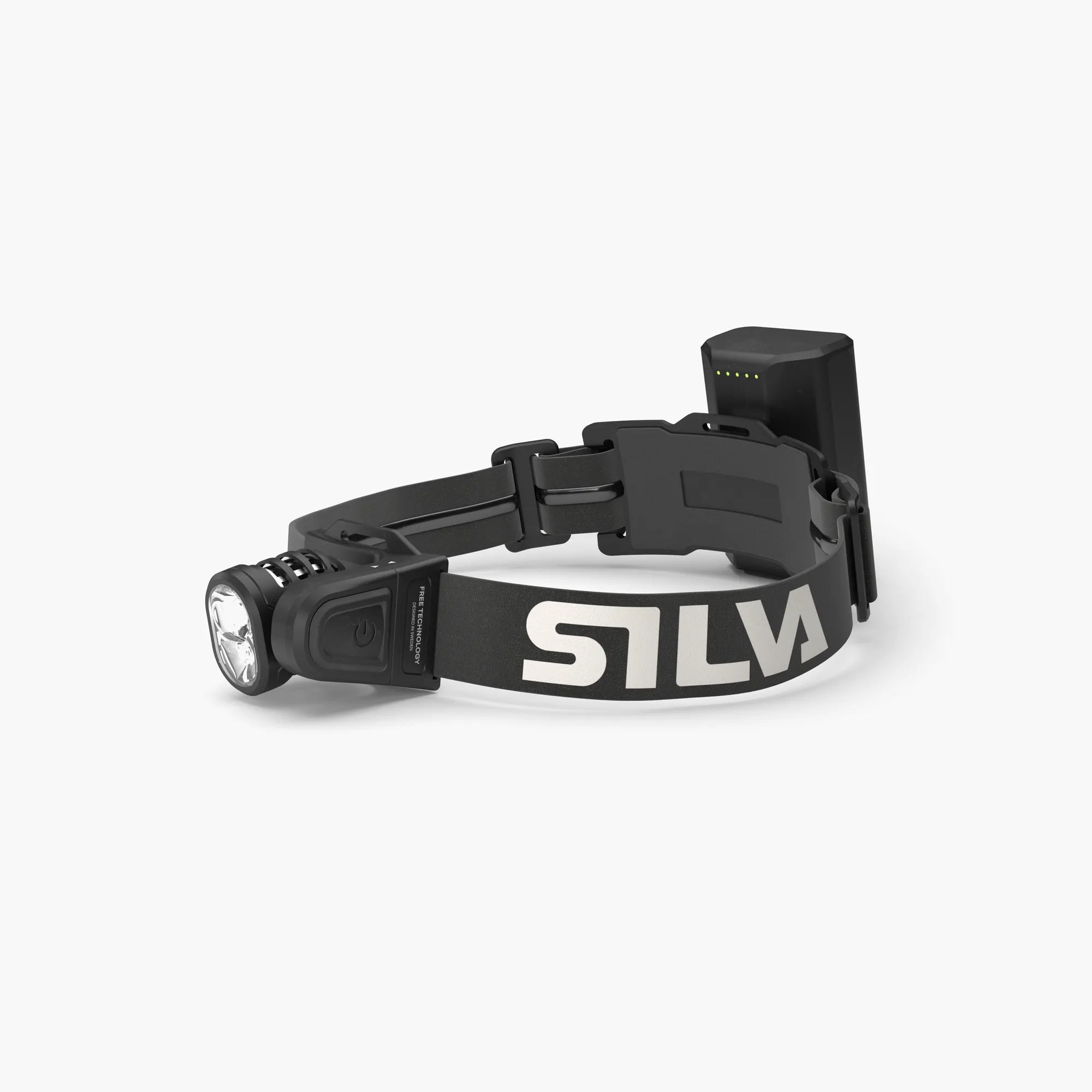
More light requires more power, which means a larger battery. Carry the Free battery in your running vest for better weight distribution. Ignite has a larger, more powerful battery that you carry in the Ignite Battery Harness. Consider bringing a spare battery or a Smini as a backup headlamp.
SAVE BATTERY
Dim the light in open terrain or on longer trail sections to save battery. Increase the brightness in technical terrain or near control points for better visibility.
Biking, ski touring • Burn time (max): 3 h
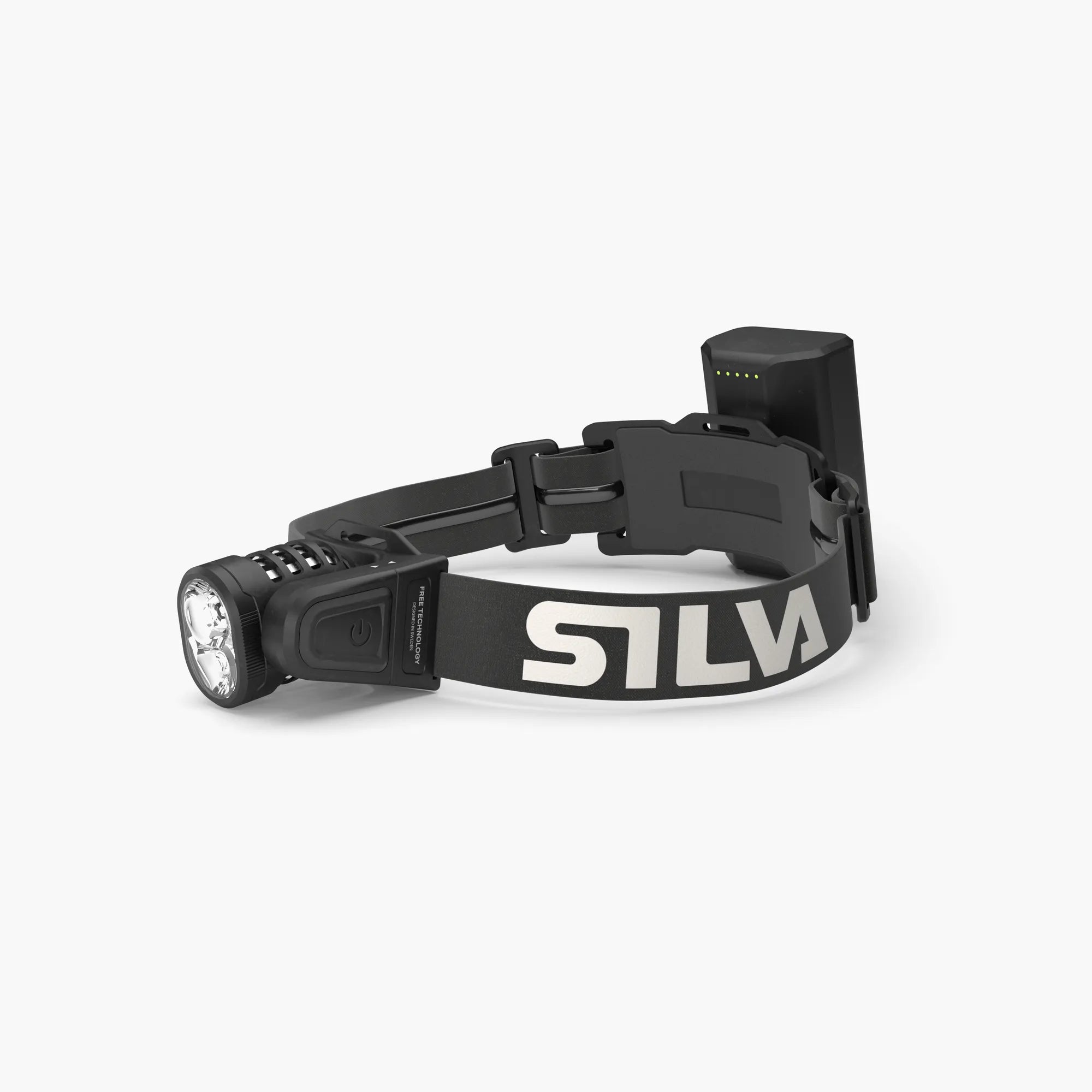
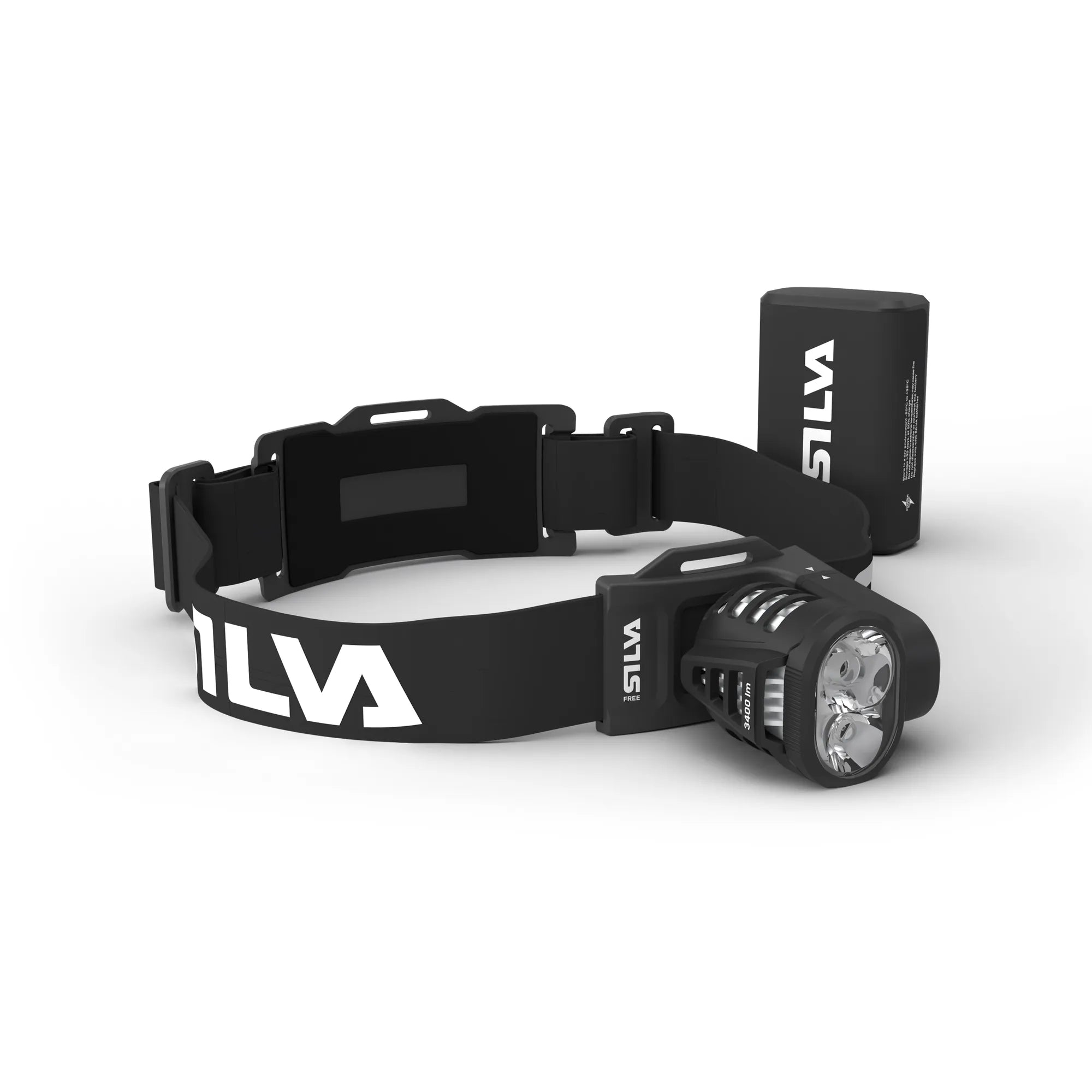
Downhill, ski touring, orienteering • Burn time (max): 2 h
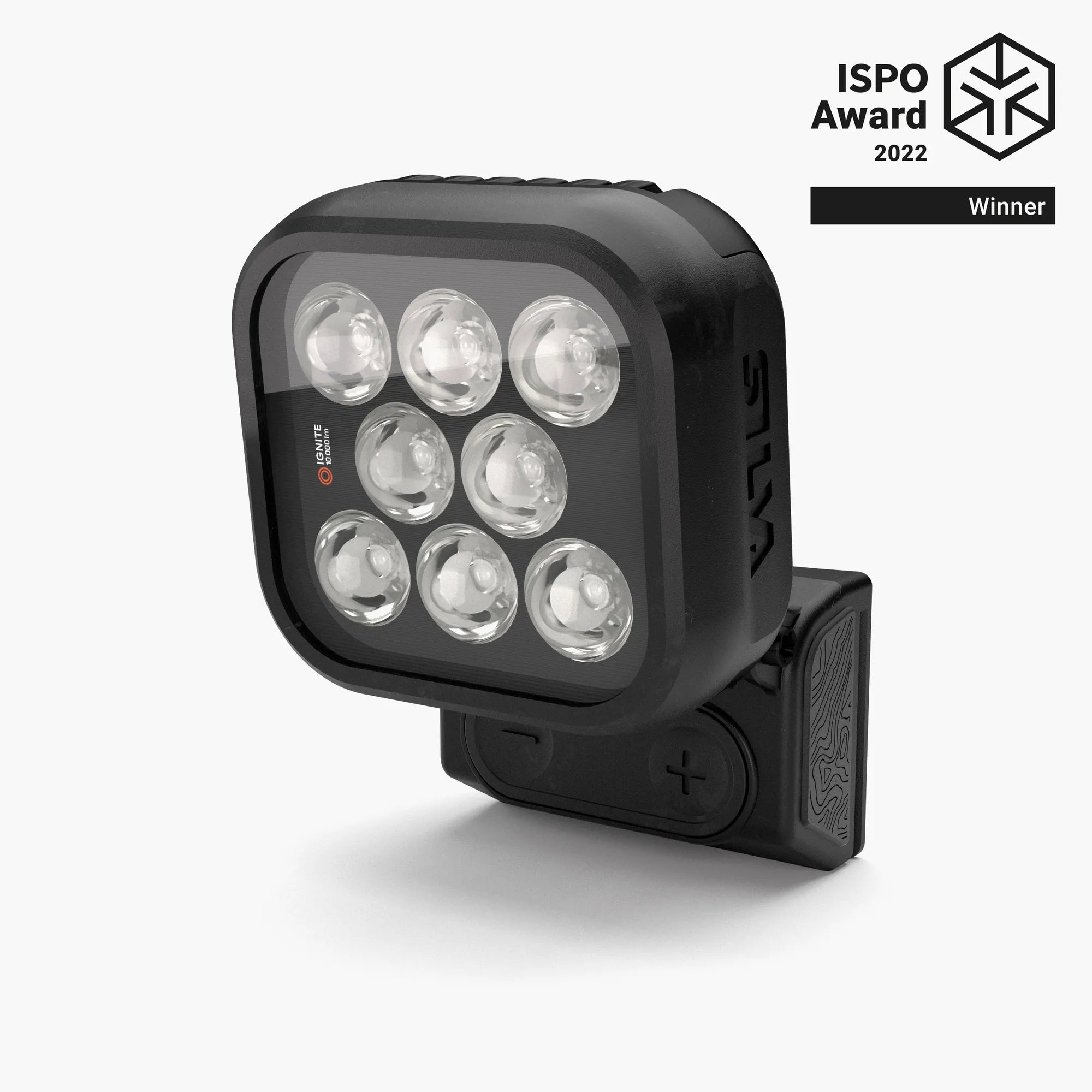
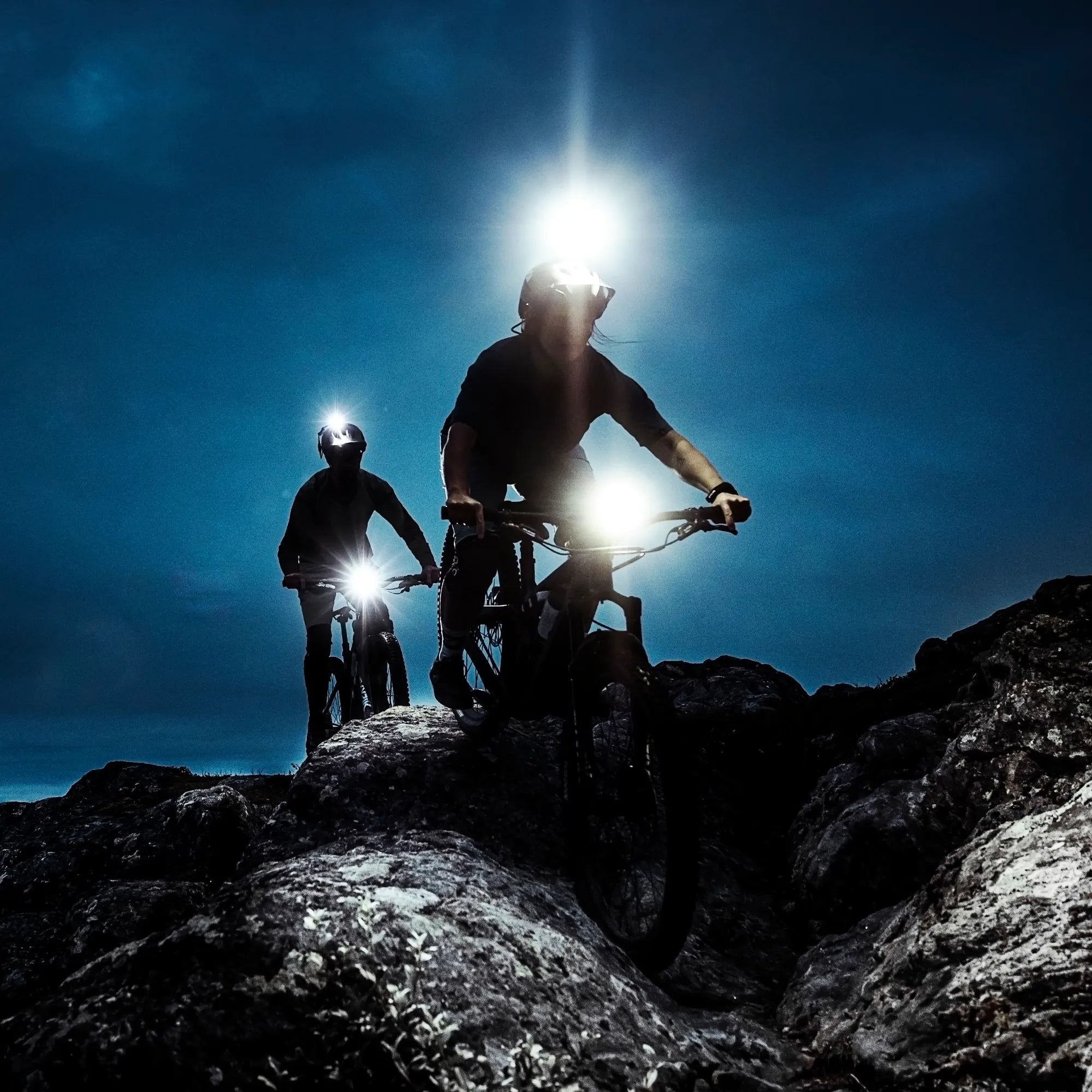
10 000 lm • Action sports, orienteering • Burn time max 3 h

Take our headlamp test and find the right model based on your sport and your needs.
Please select your store