Mountaineering gear

Mountaineering can combine long approaches, major elevation gain and technical terrain in a single day. Silva gear supports the journey around the specialist climbing equipment with carrying, navigation, lighting and poles for the approach and descent.

Filters

Sort by:

8 products

Untitled design 61

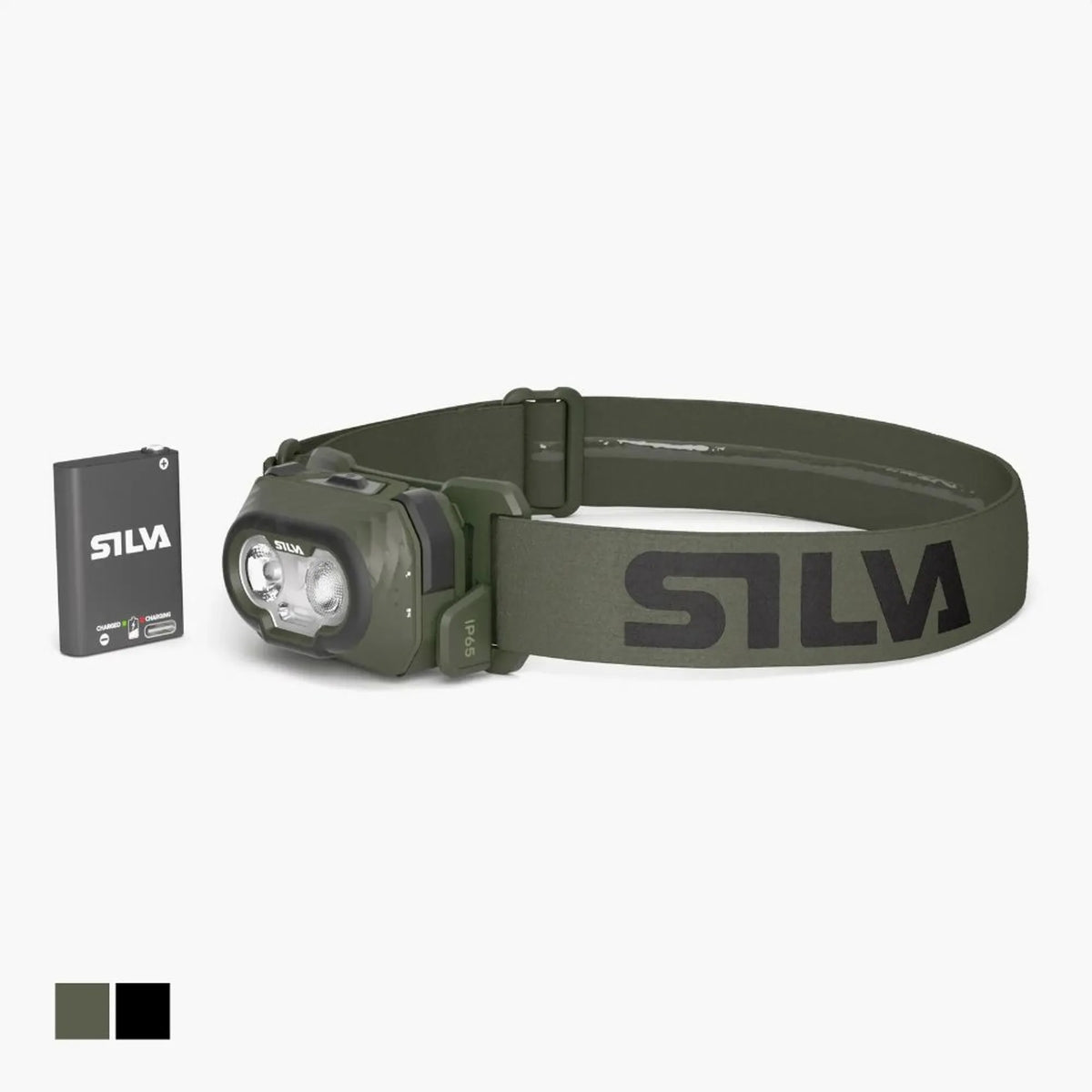
Waterproof • Rechargeable • Burn time: up to 50 h

Sale price999 SEK
new
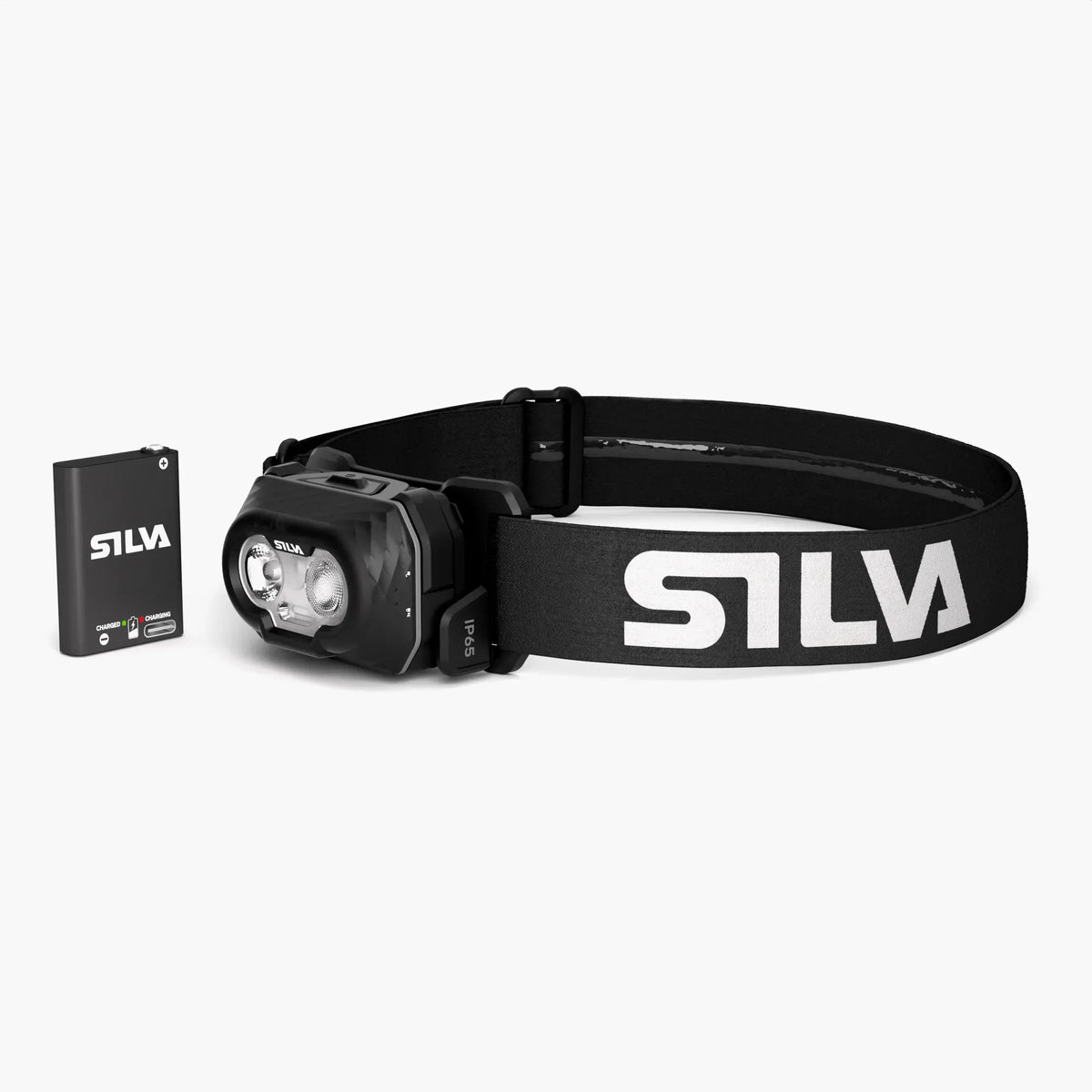
Discovery Hybrid GreenDiscover_Hybrid_Black_38453_main_GREY_1484465f-dda5-4053-9cc5-bda090b29d17

Water-resistant • Rechargeable • Burn time: up to 25 h

Sale price799 SEK
new
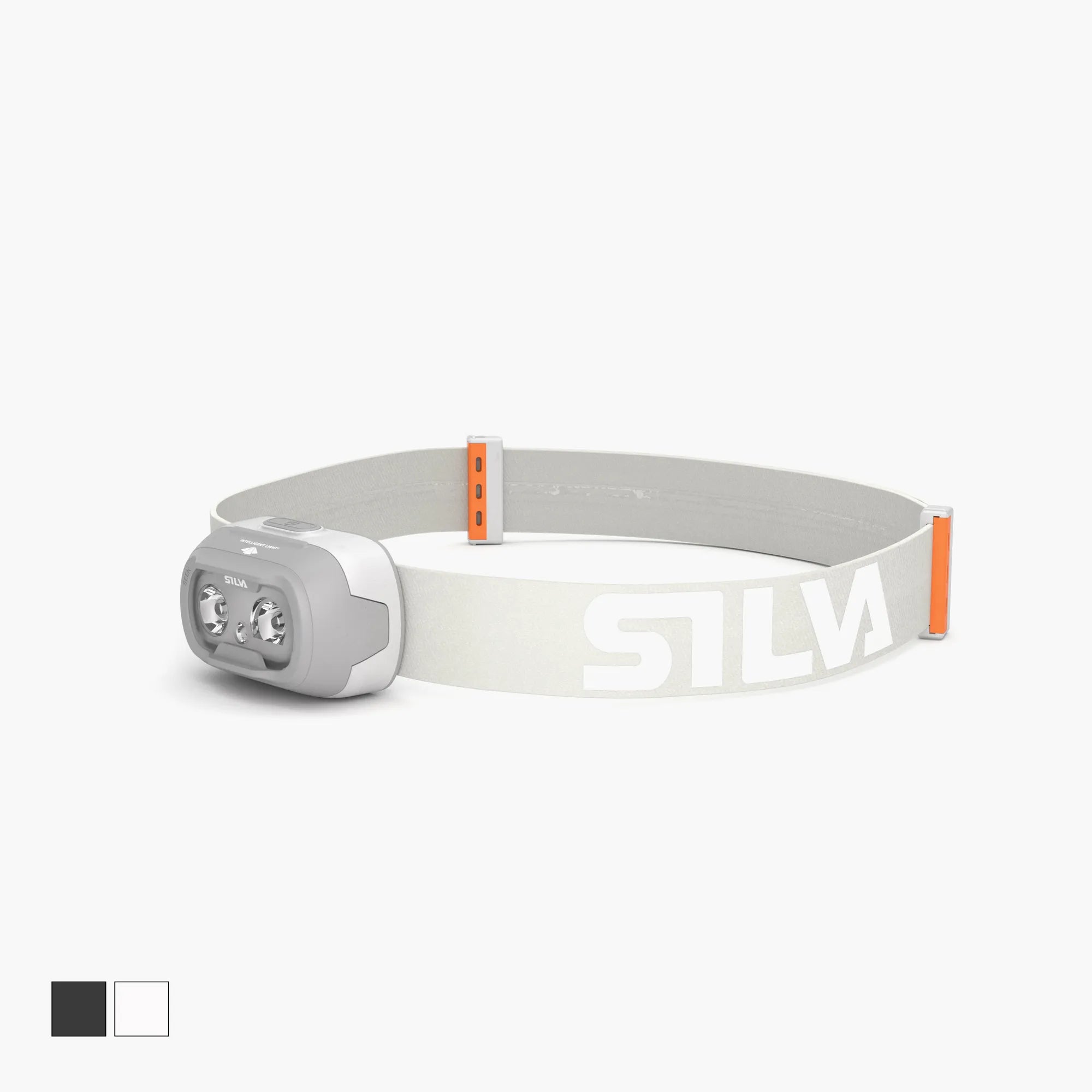
Seek 600 Recharge - family_38717 and 38731 - white v2Seek_600_Midnight_38717_main_GREY 1

Water-resistant • Rechargeable • Burn time: up to 75 h
Sale price799 SEK
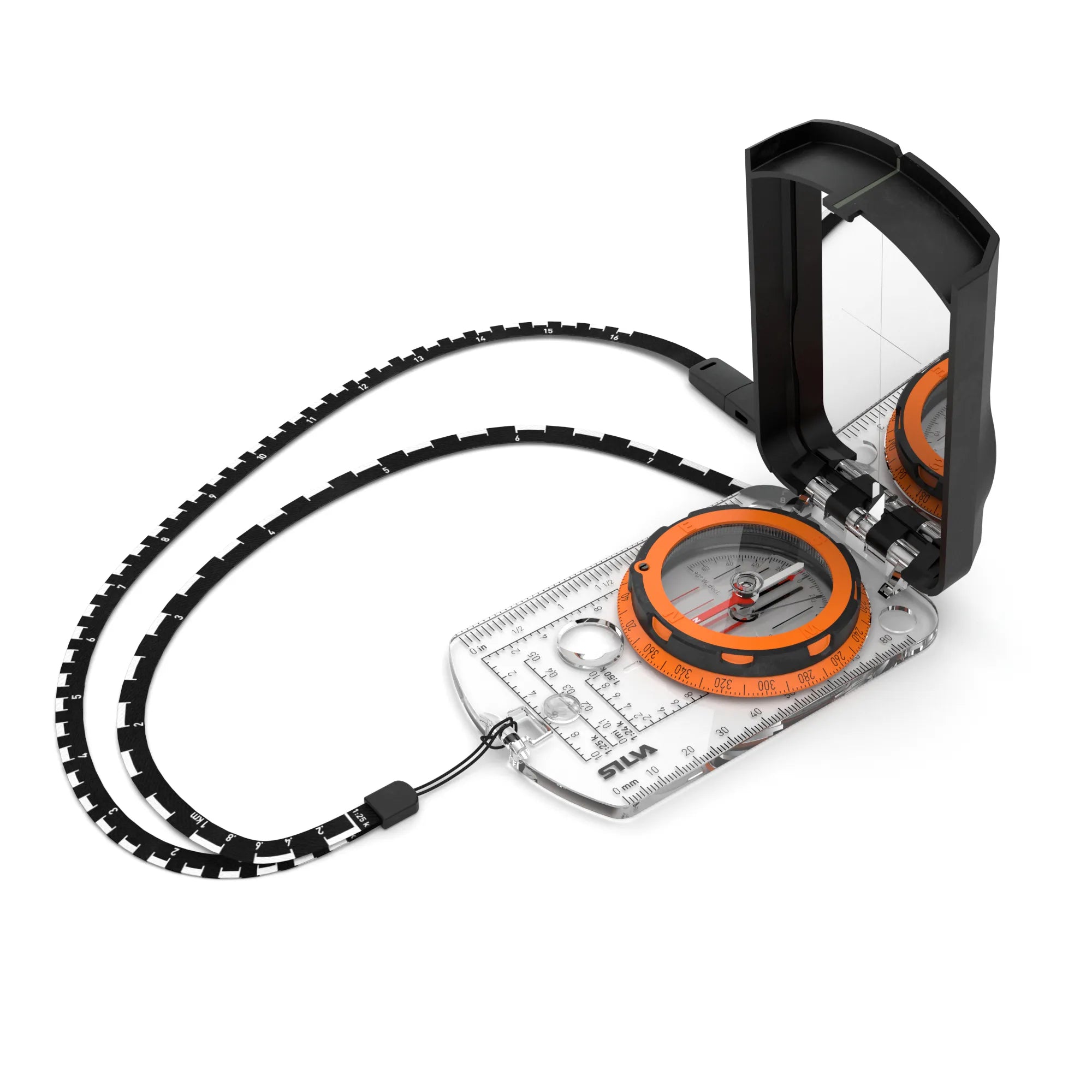
Expedition S_ 37454_37456_37458_main (2022)Expedition S_ 37454_37456_37458_top (2022)

Mirror sighting with sighting hole

Sale price799 SEK
3NL-360_37583_37583-13_37583-15_main 2023 grey bg3NL-360_37583_37583-13_37583-15_main (2023)

All-round compass, suitable for most outdoor activities
Sale price379 SEK
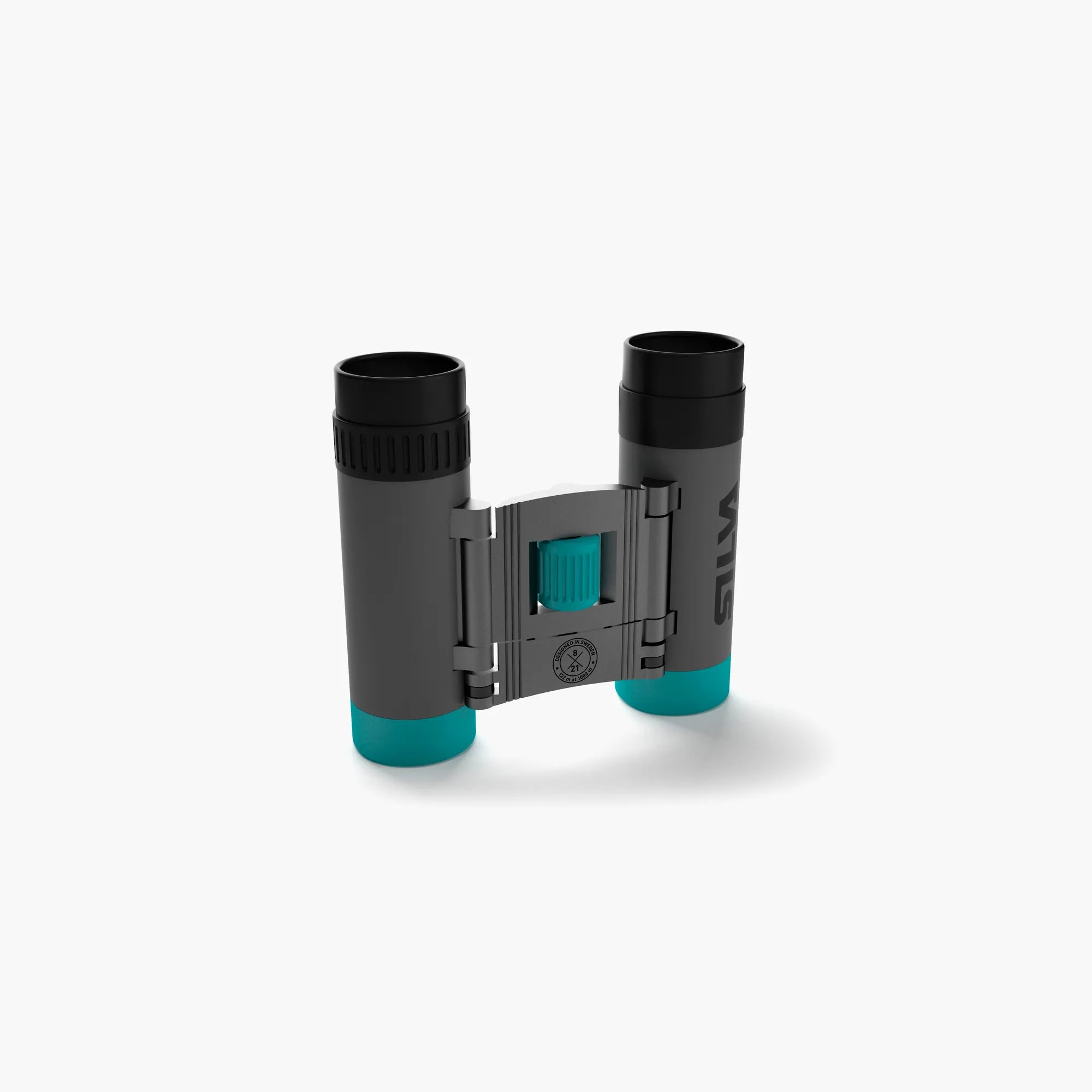
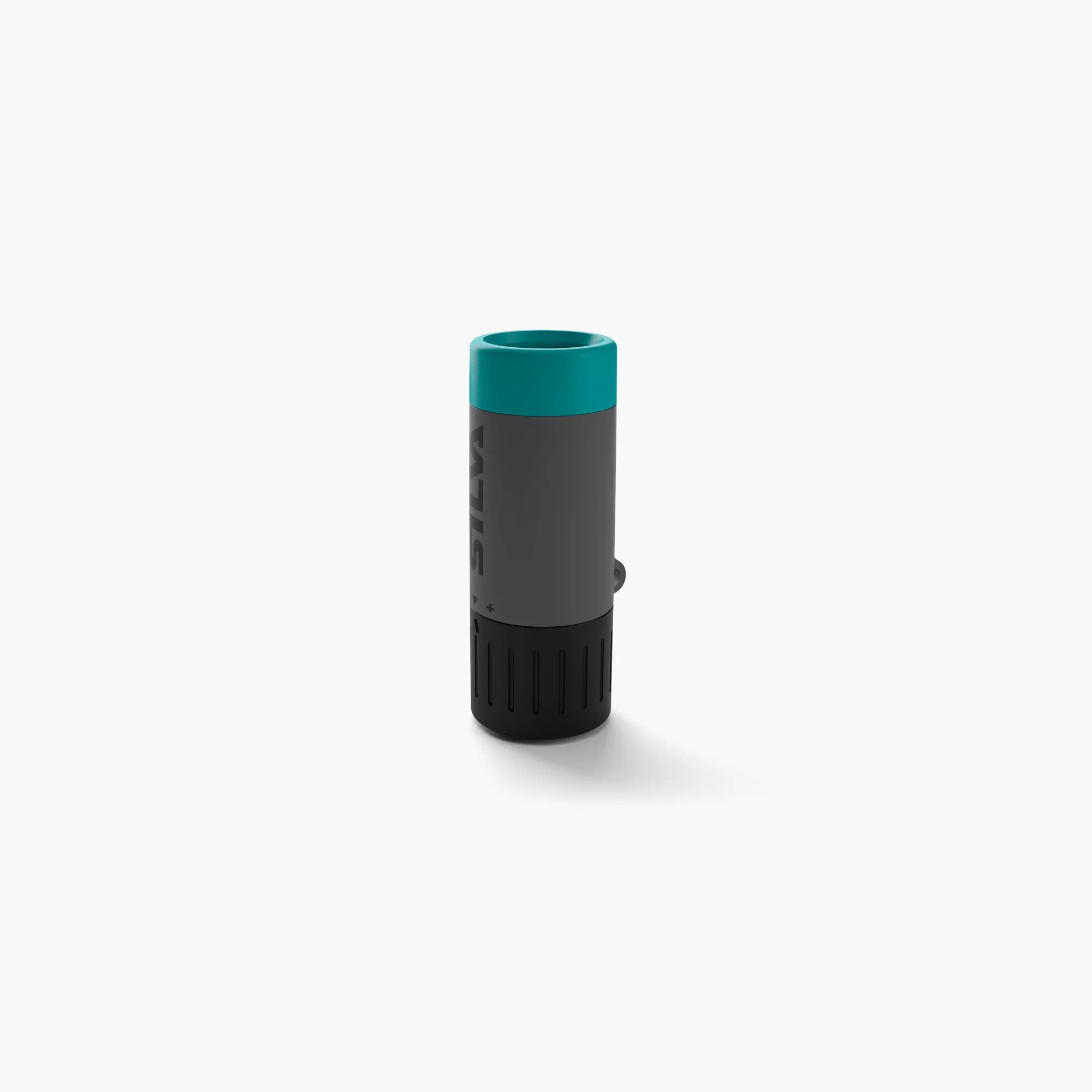
Binocular Pocket 7X_37616 GREYBinocular Pocket 7X_37616

Easy-to-use

Sale price429 SEK
Binocular Pocket 8X_37614 GREYUntitled design 25

A compact, lightweight with 21 mm lens and 8x magnification

Sale price479 SEK
Lightweight Dry Bag Recycled 3-PackTerra Dry bag 3L_38172_main

Dry bag made from 100% recycled material

Sale price897 SEK

Carry the load without fighting the pack

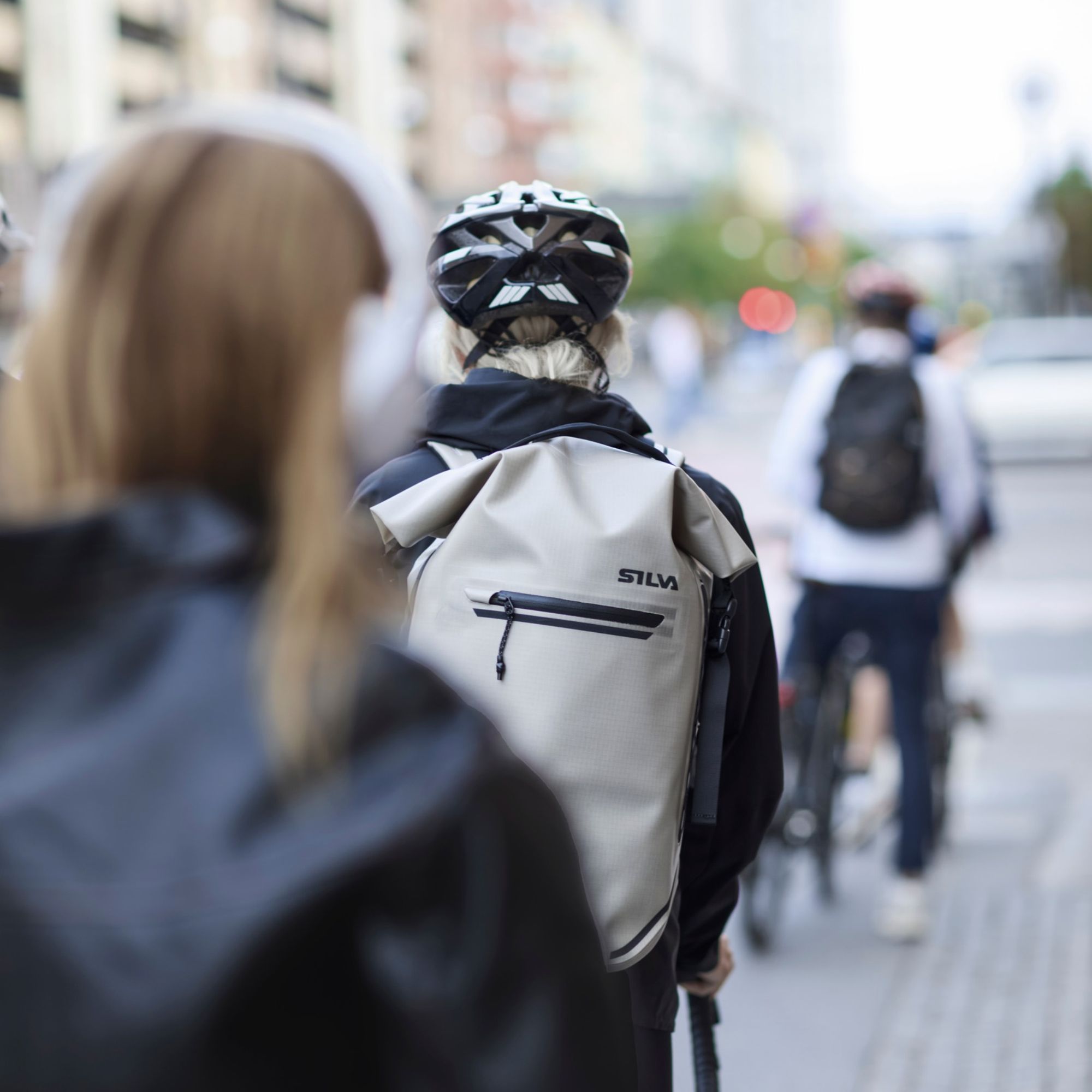
A pack that shifts around becomes increasingly noticeable as the terrain steepens. Silva backpacks provide carrying options for water, extra layers, food and other essentials on active mountain days where a close and stable fit matters.

Required capacity changes considerably between routes. A straightforward summer ascent can use a relatively compact load, while colder conditions and technical equipment require more space. If a climbing harness is part of the route, straps and the hip belt also need to work without obstructing it.

Keep a bearing when landmarks disappear

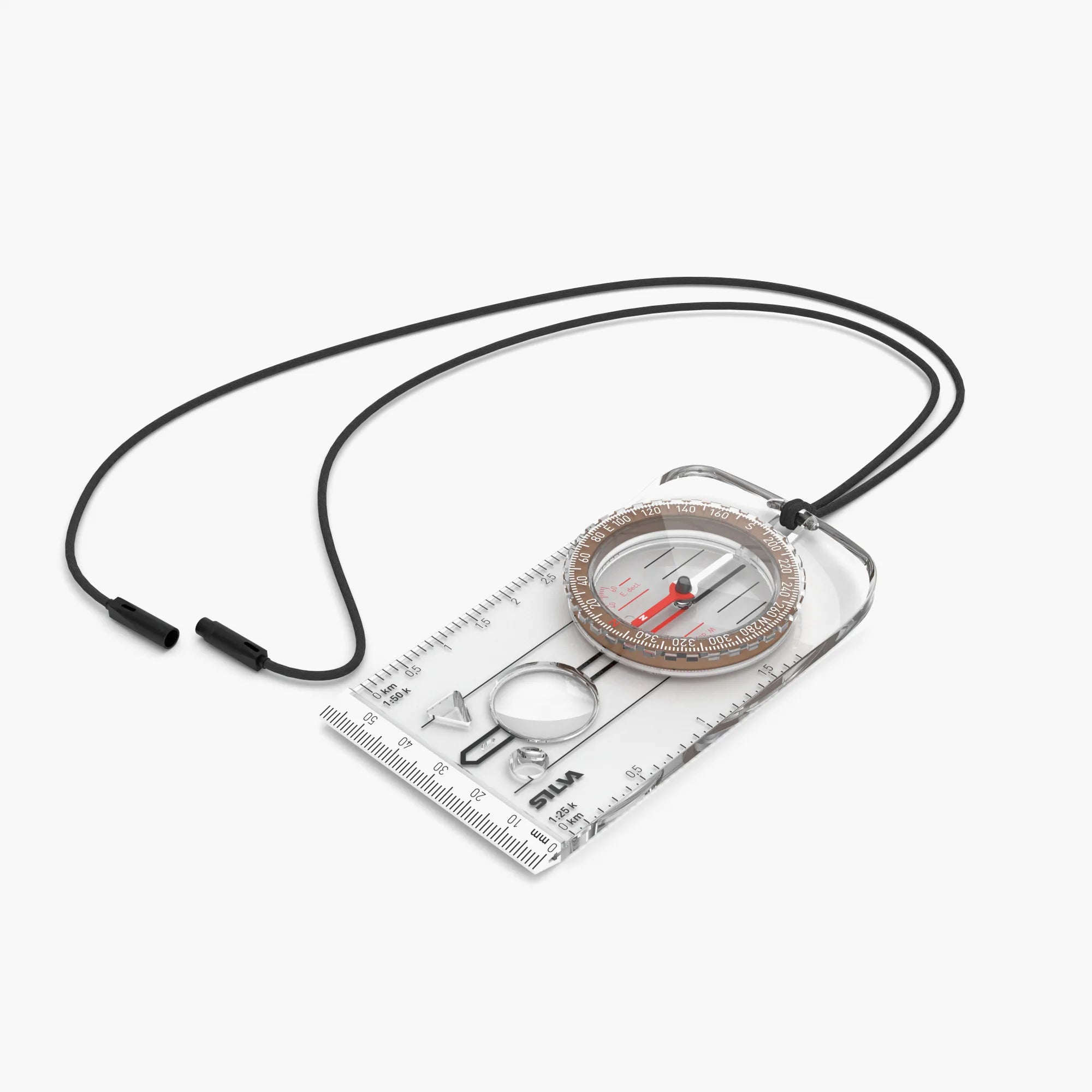
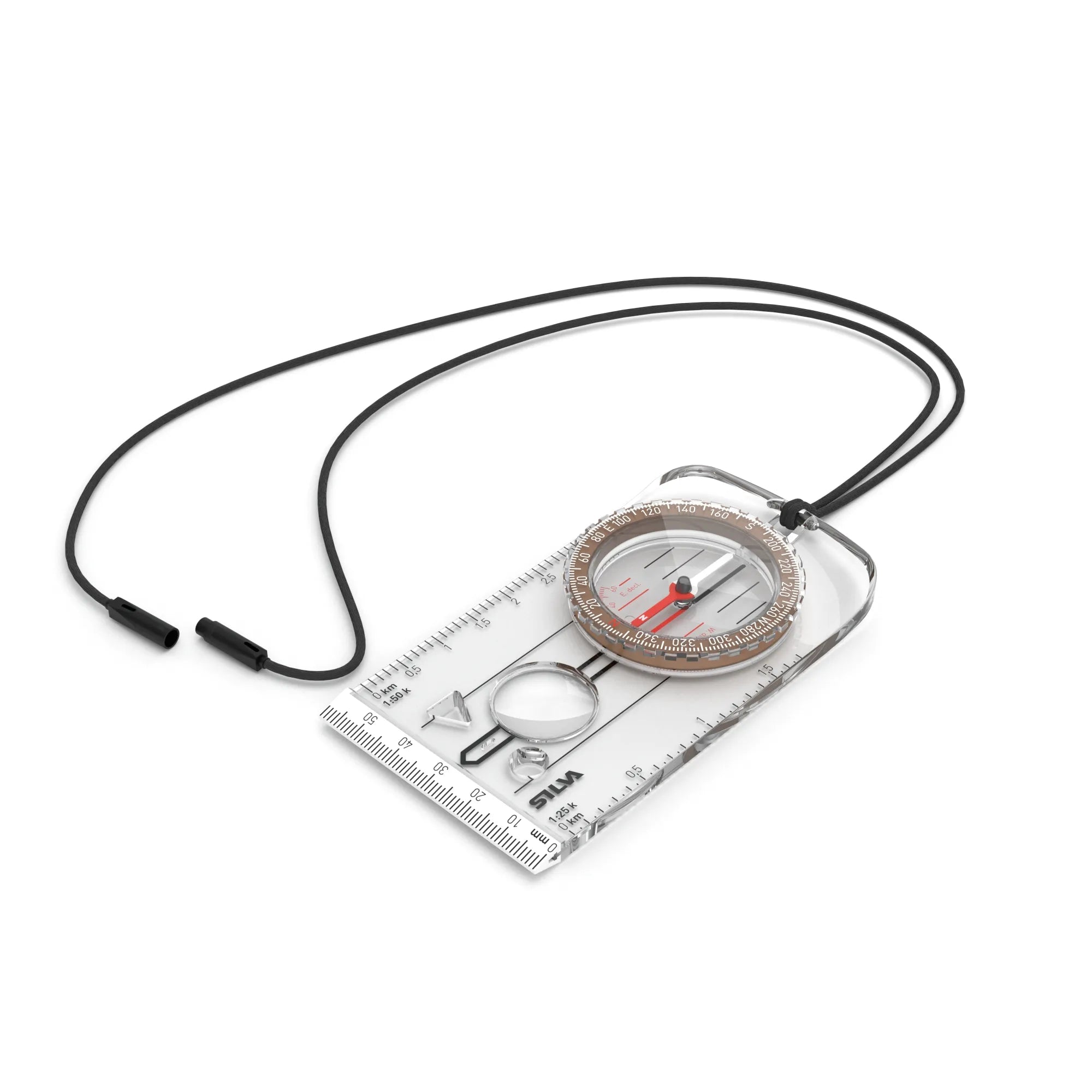
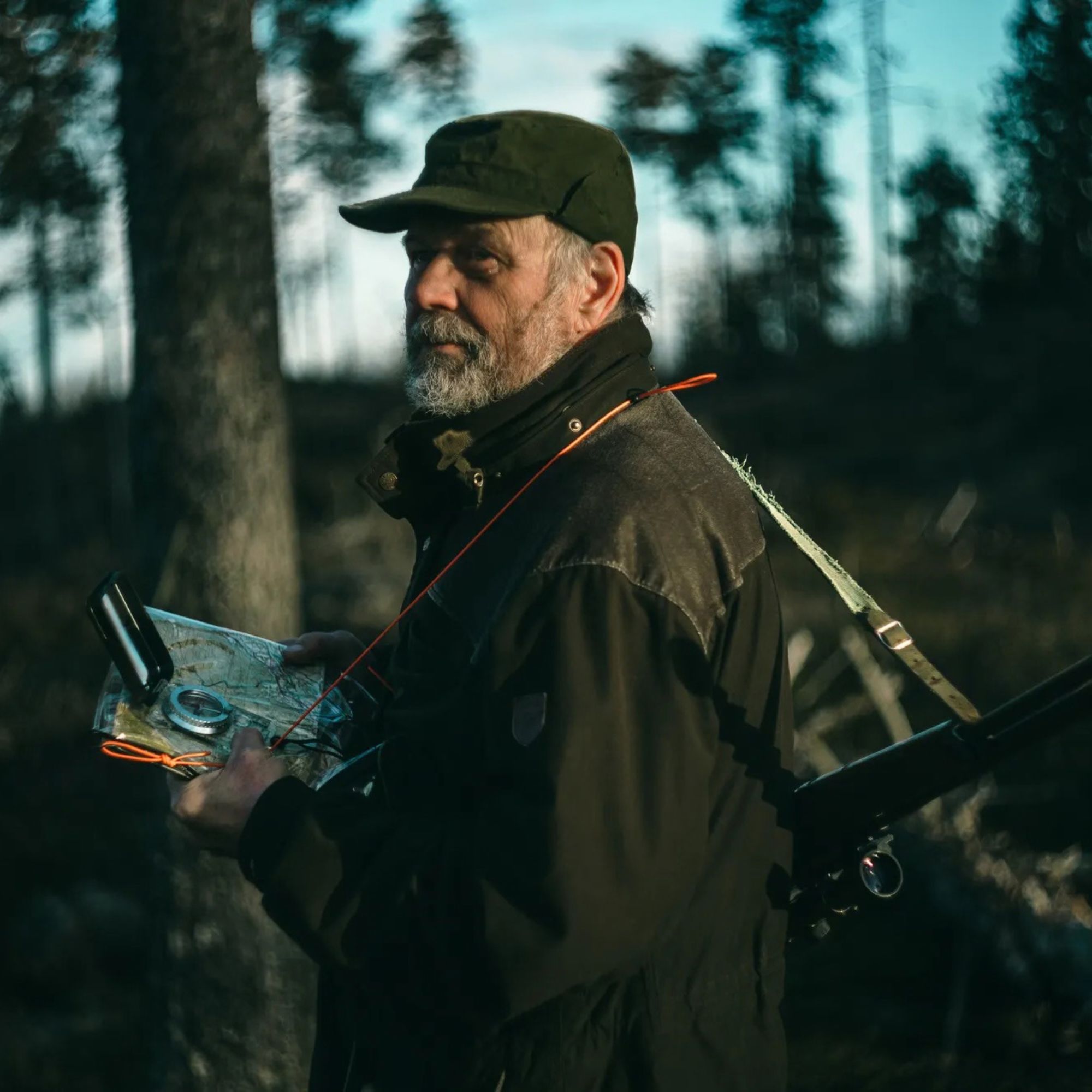
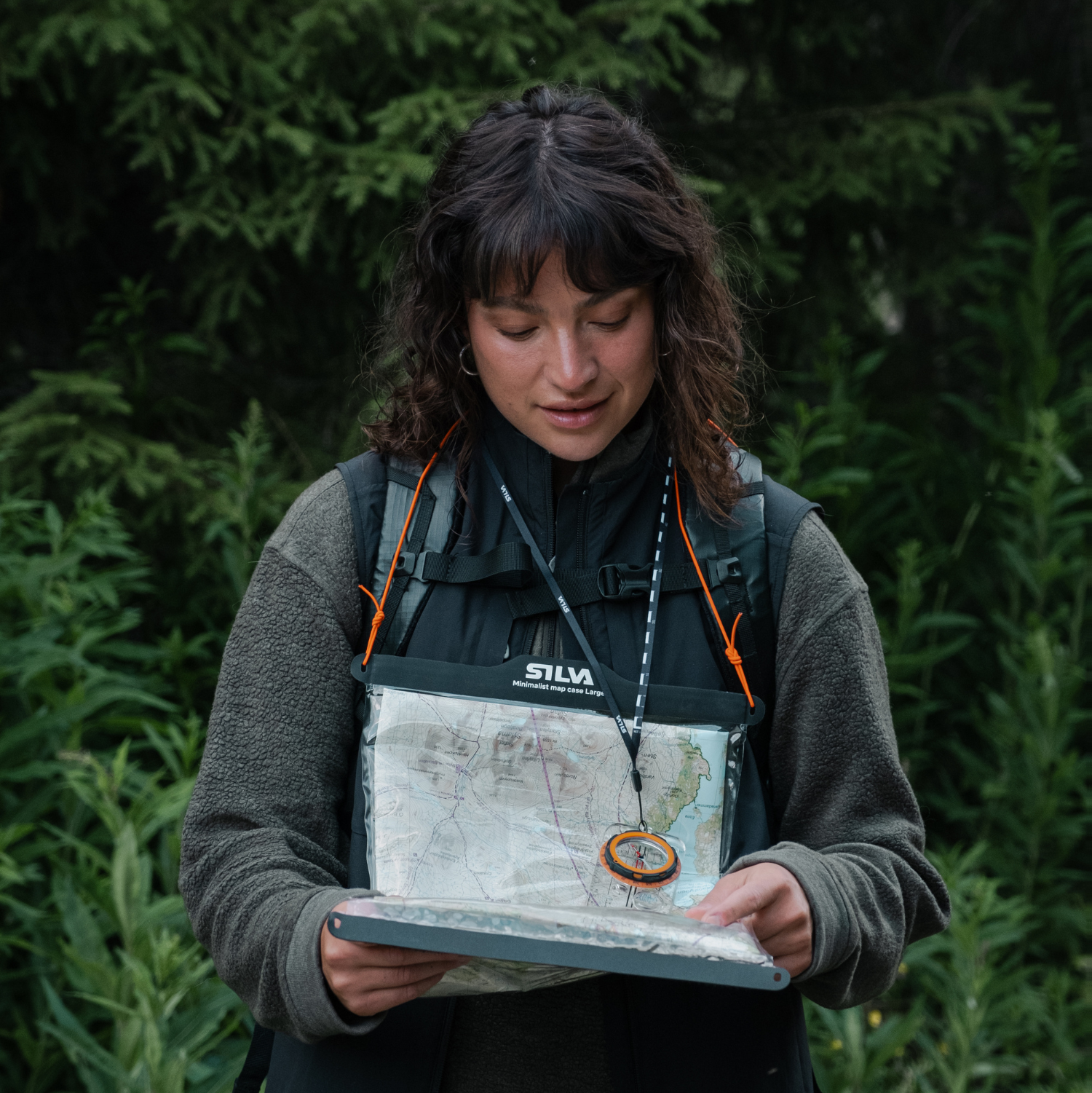
A clear trail can give way to open mountain terrain where route finding becomes more important. A map and an outdoor compass provide a navigation method that remains available without network coverage or battery power.

Cloud, fog and snow can remove obvious visual references surprisingly quickly. Compass navigation is therefore most valuable when it is backed by the skills to use bearings and read the terrain rather than being carried only as an emergency item.

Make the pre-dawn approach part of the plan

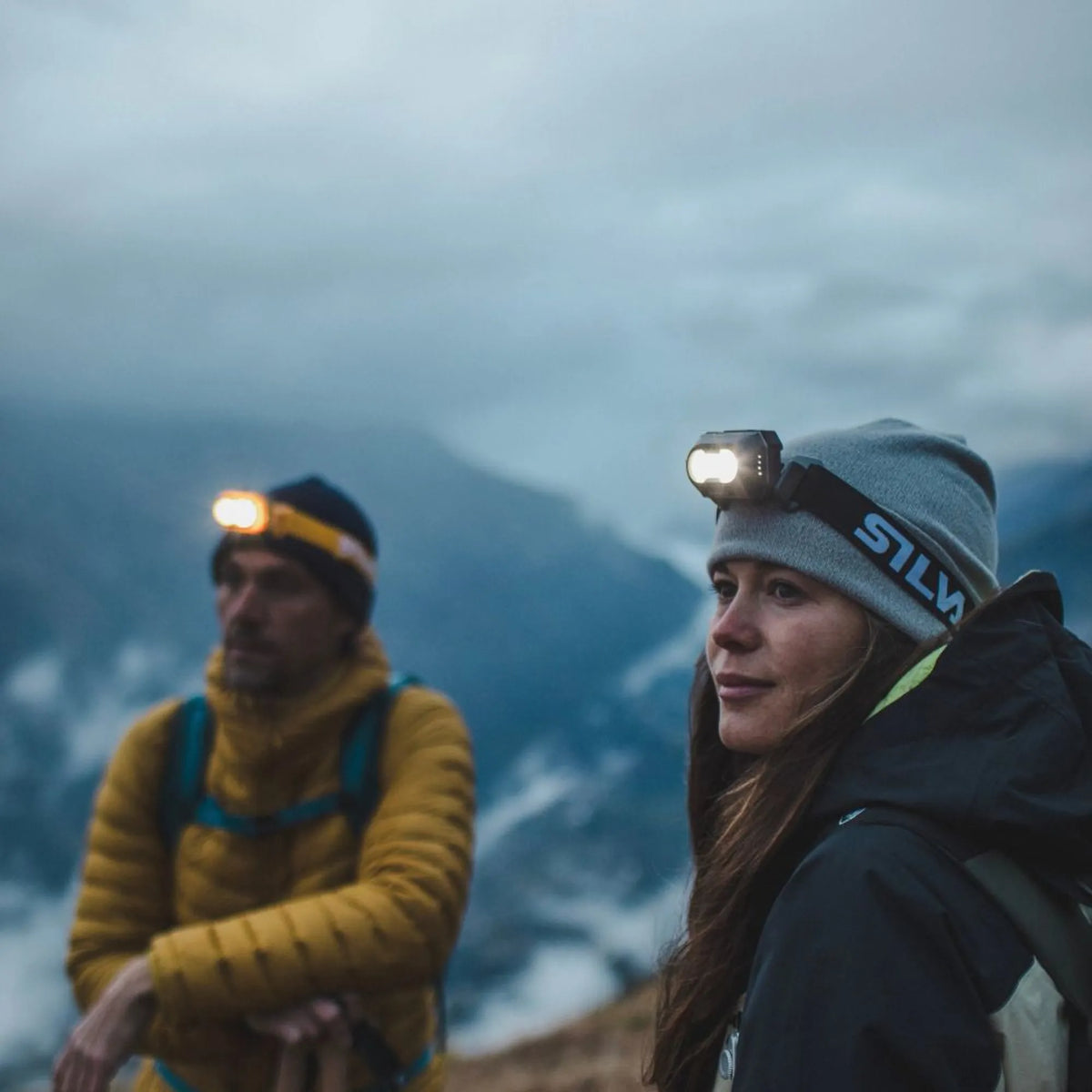
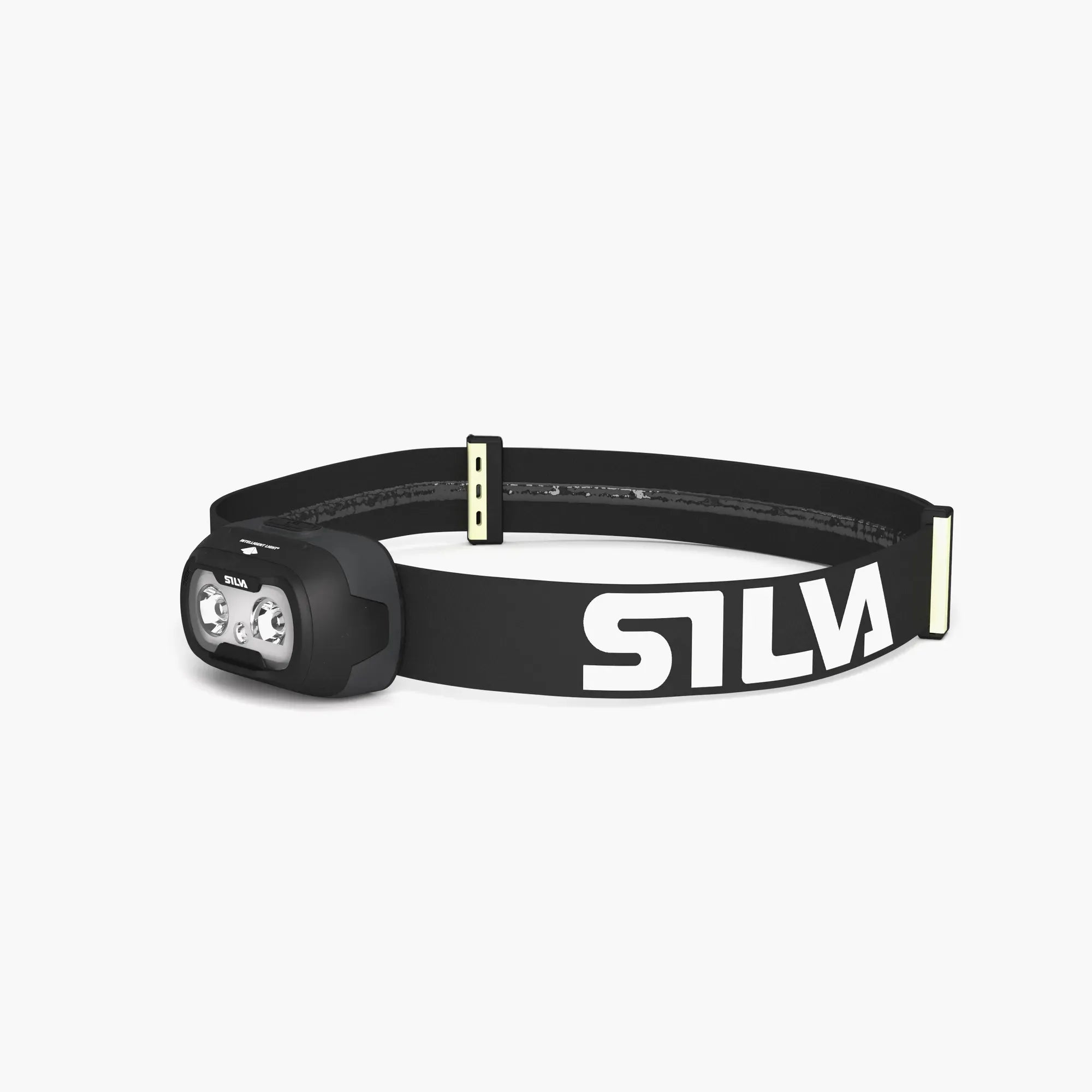
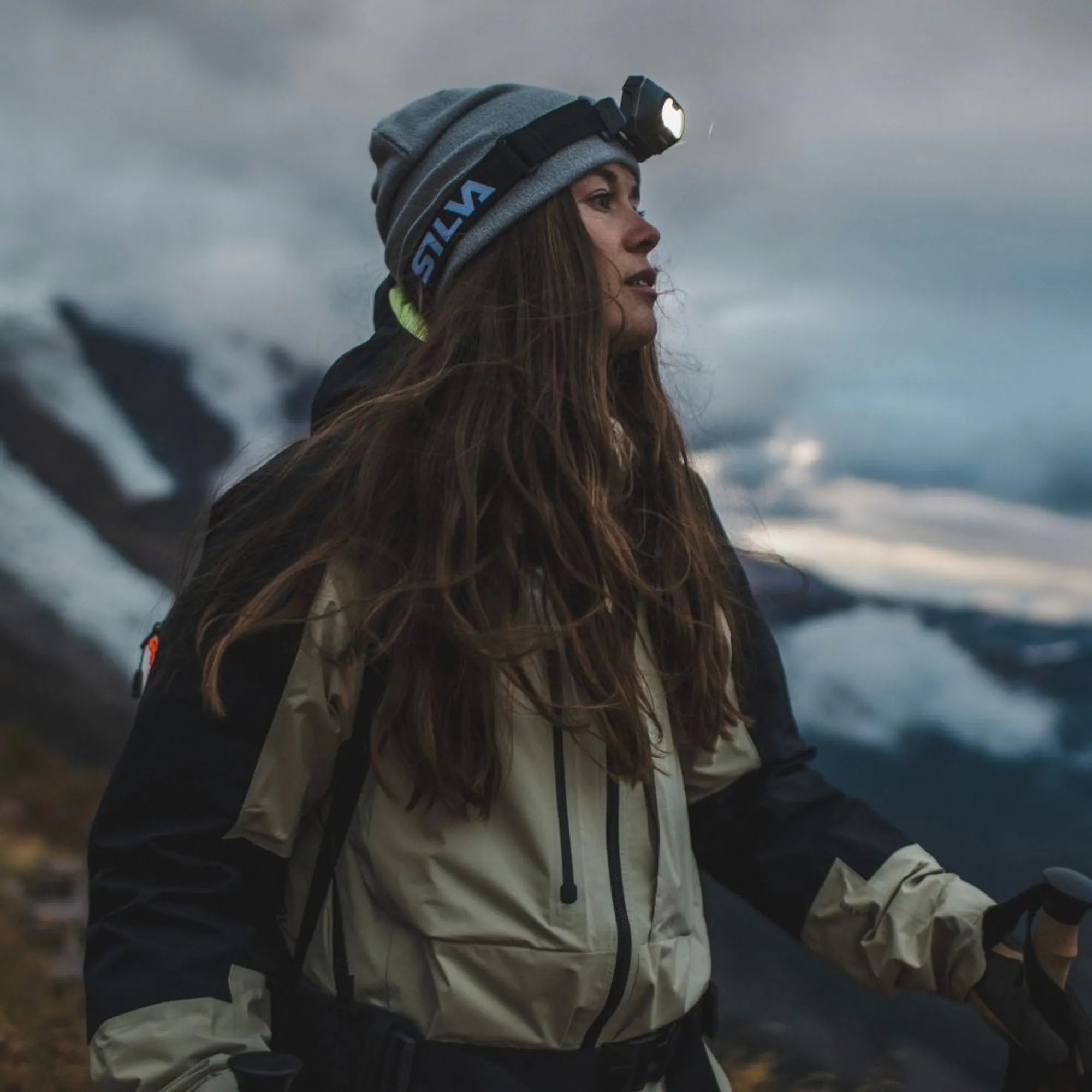
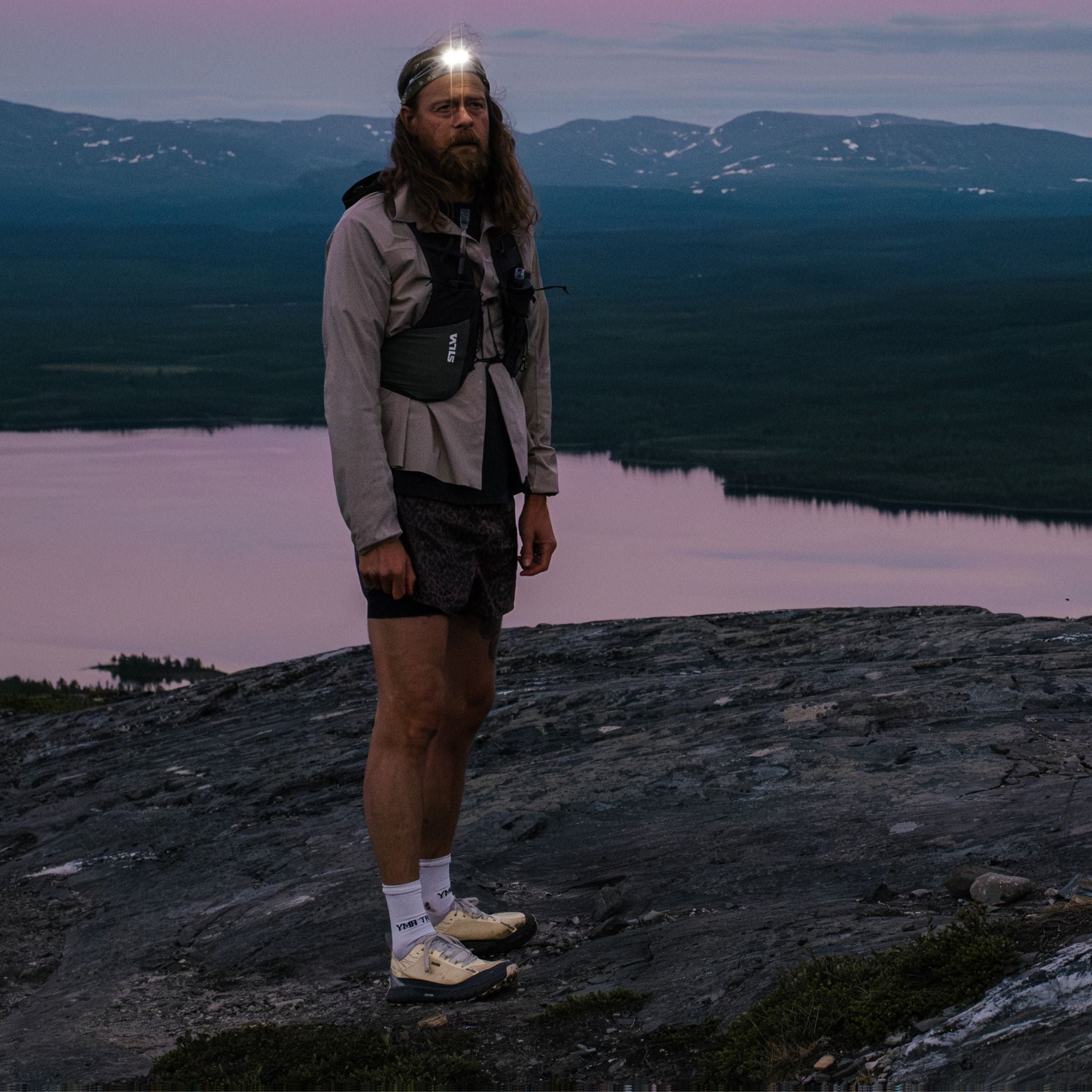
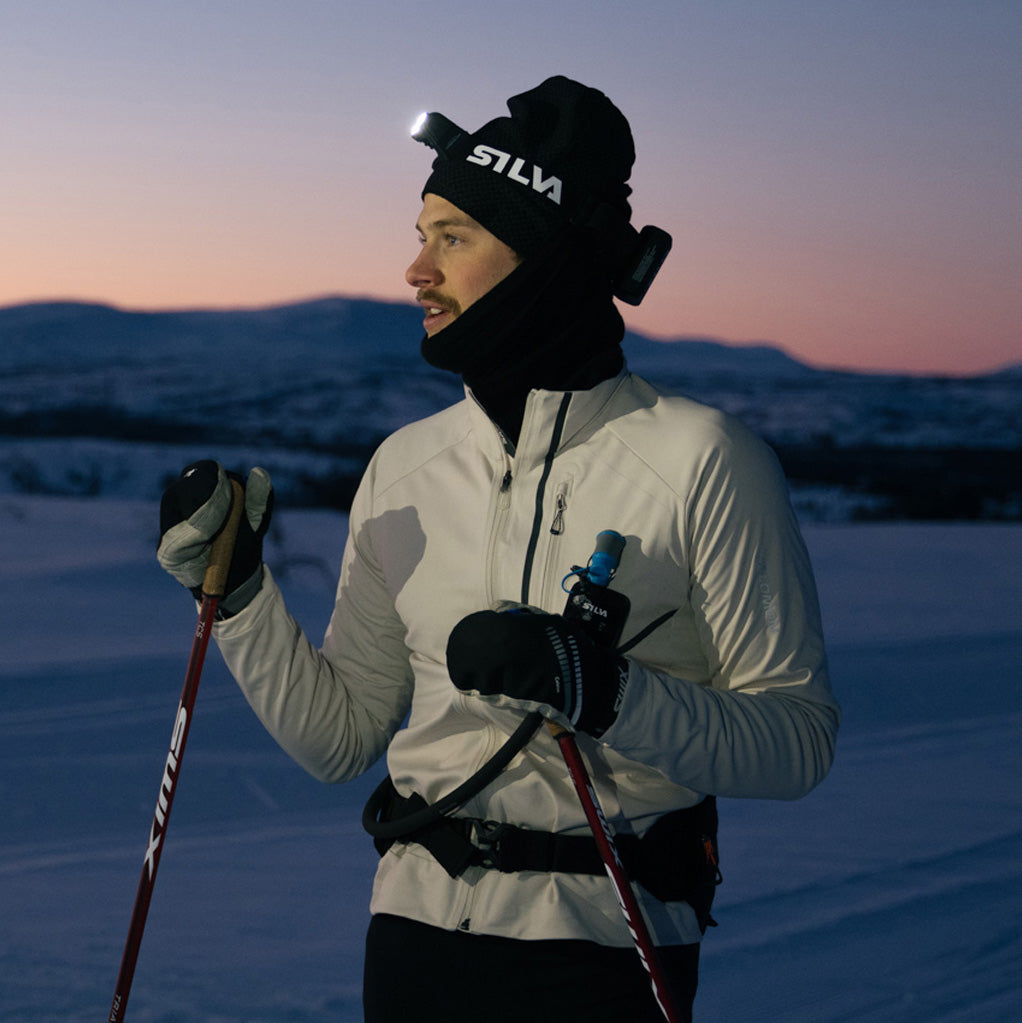
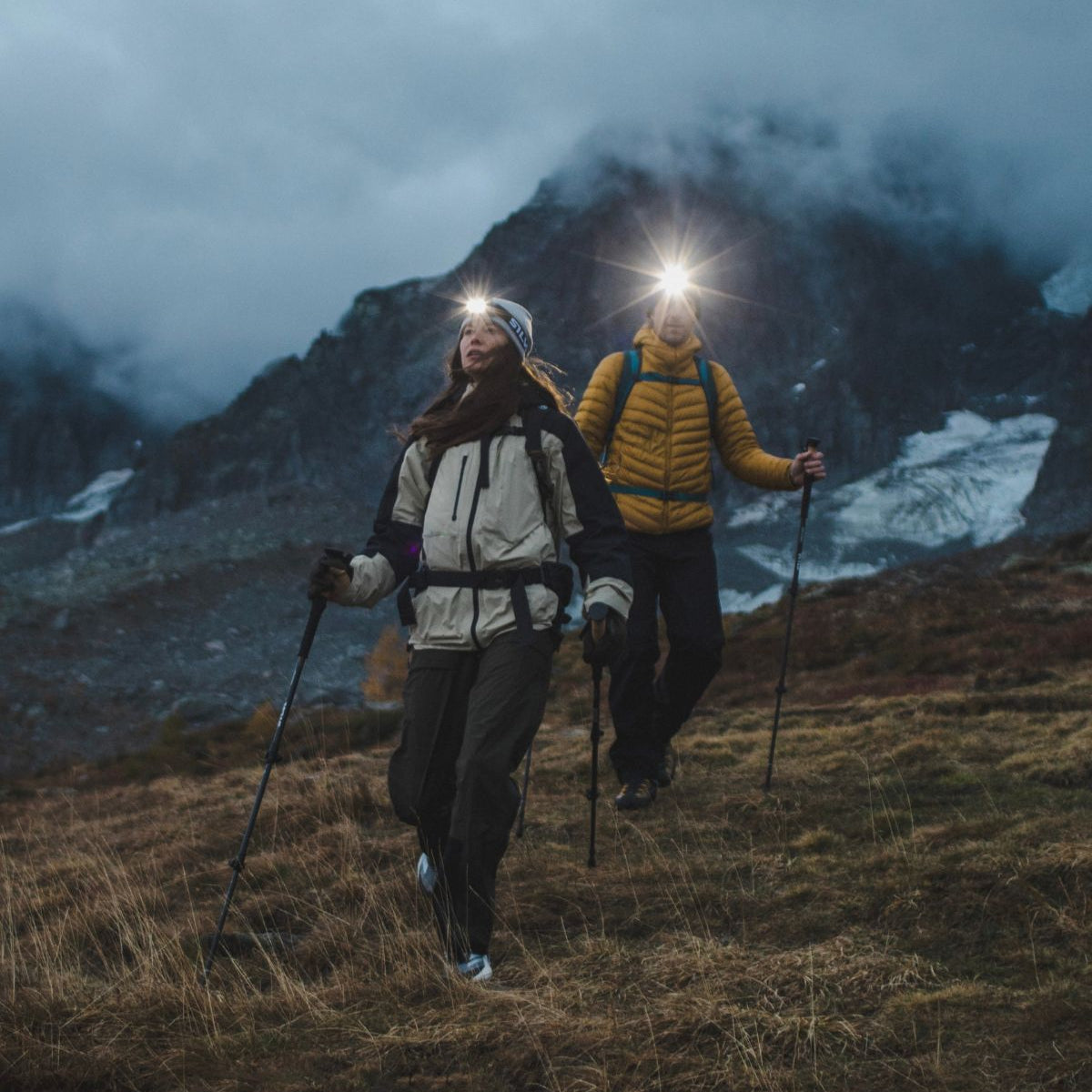
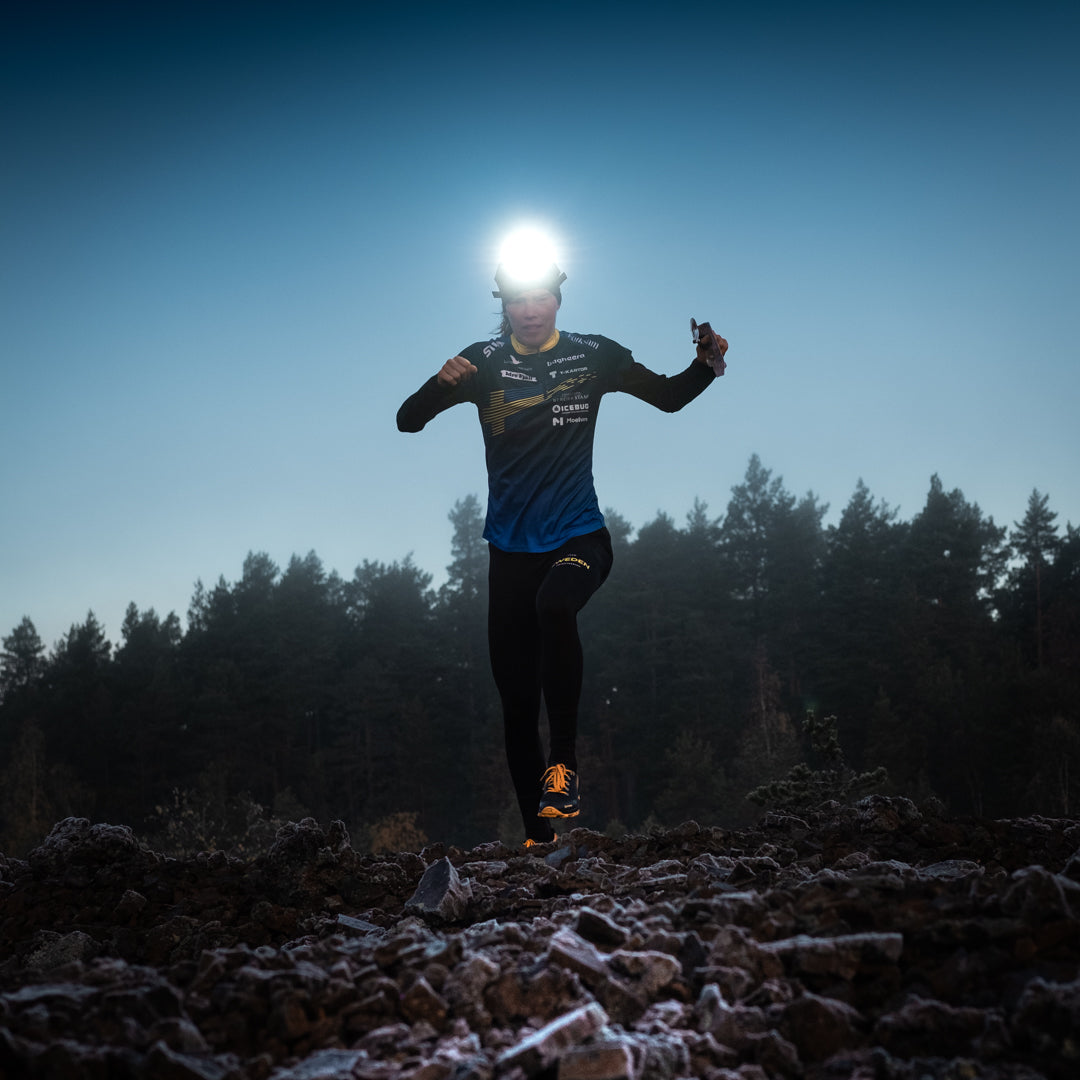
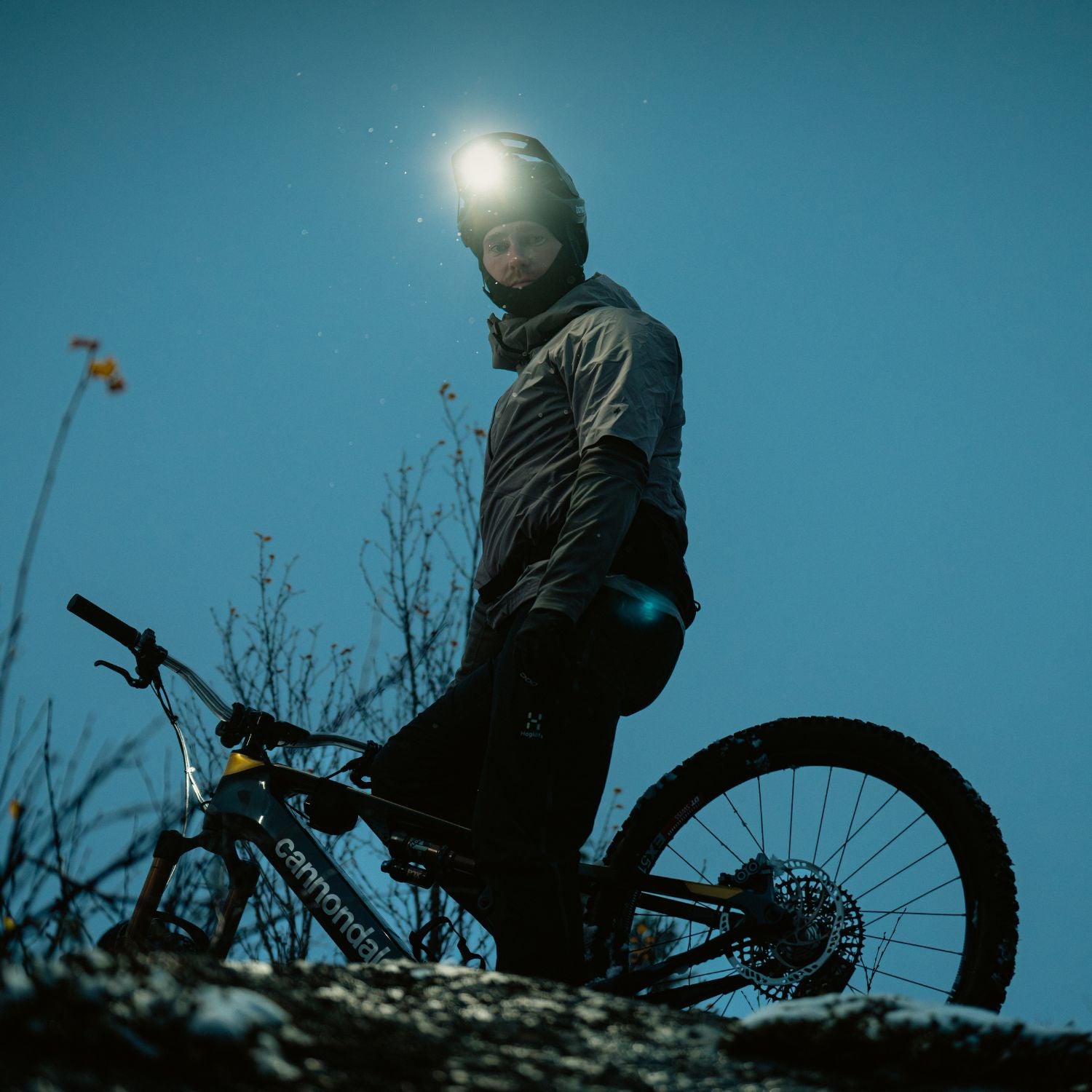
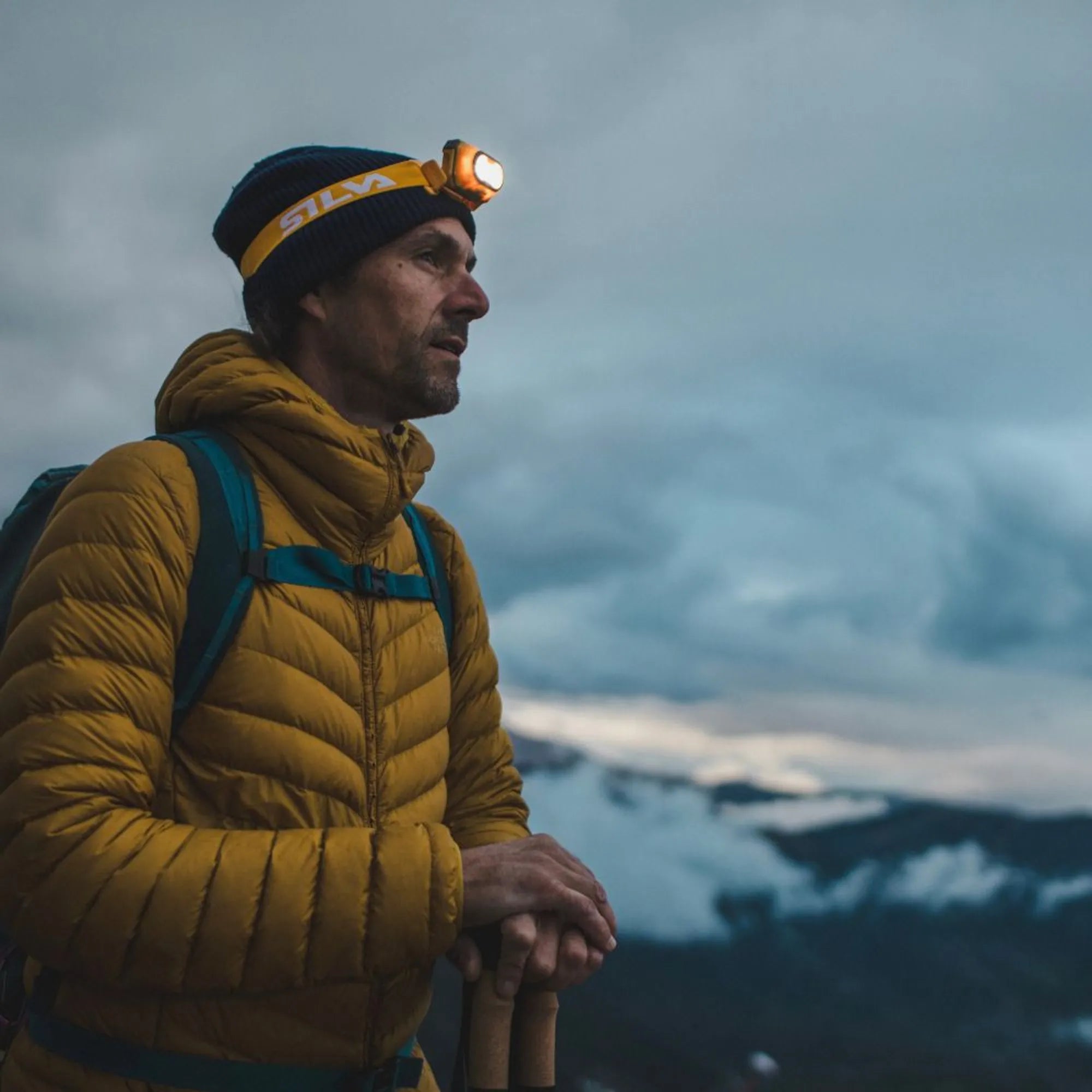
Early starts are common on mountain objectives where the full ascent and descent can take many hours. Silva outdoor headlamps provide hands-free lighting for dark approaches and a useful reserve if the return takes longer than expected.

Uneven paths benefit from a beam that shows both the immediate ground and enough terrain ahead to keep moving efficiently. For long objectives, burn time deserves as much attention as brightness, with additional headlamp batteries available when extra energy capacity is needed.

Save the legs on the non-technical ground

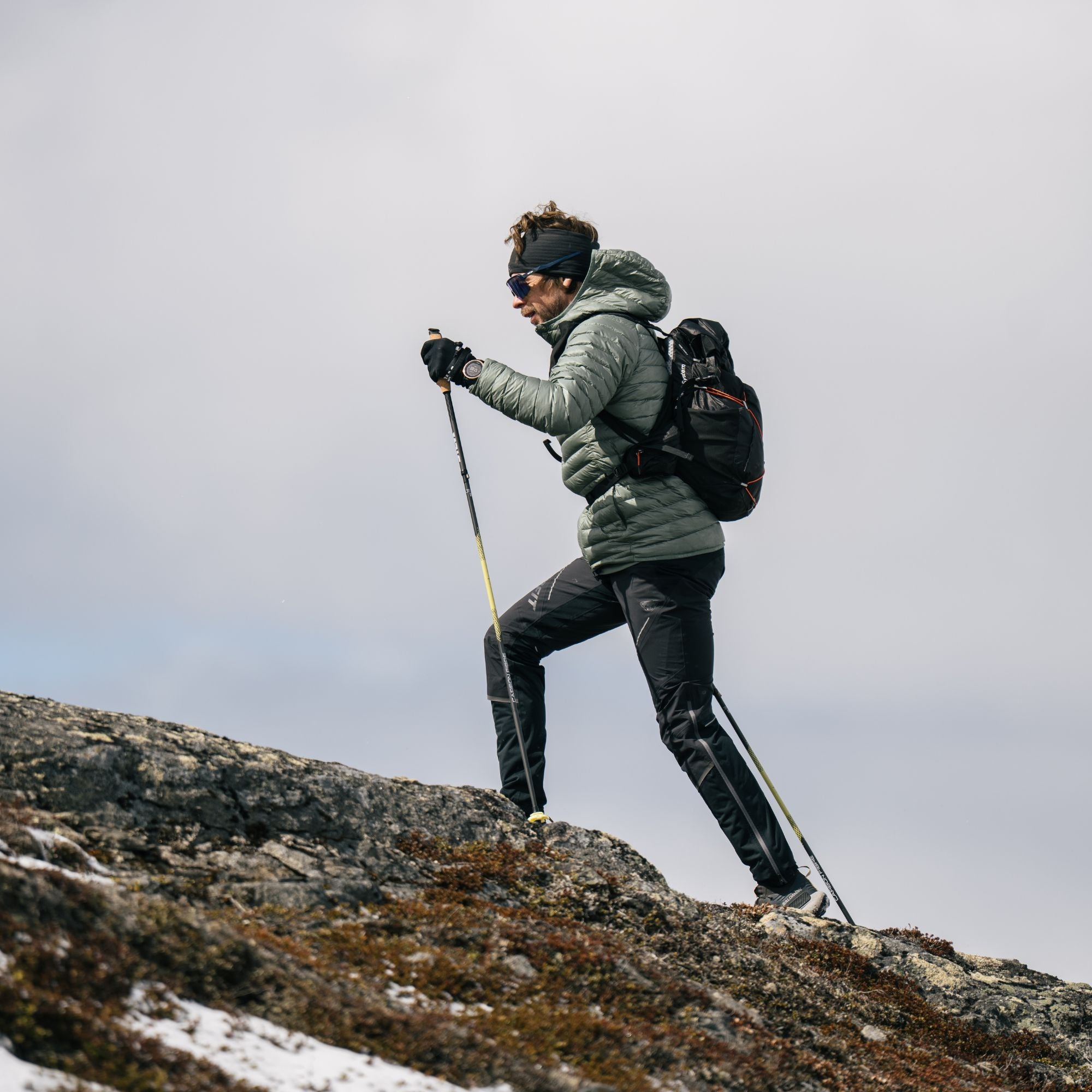
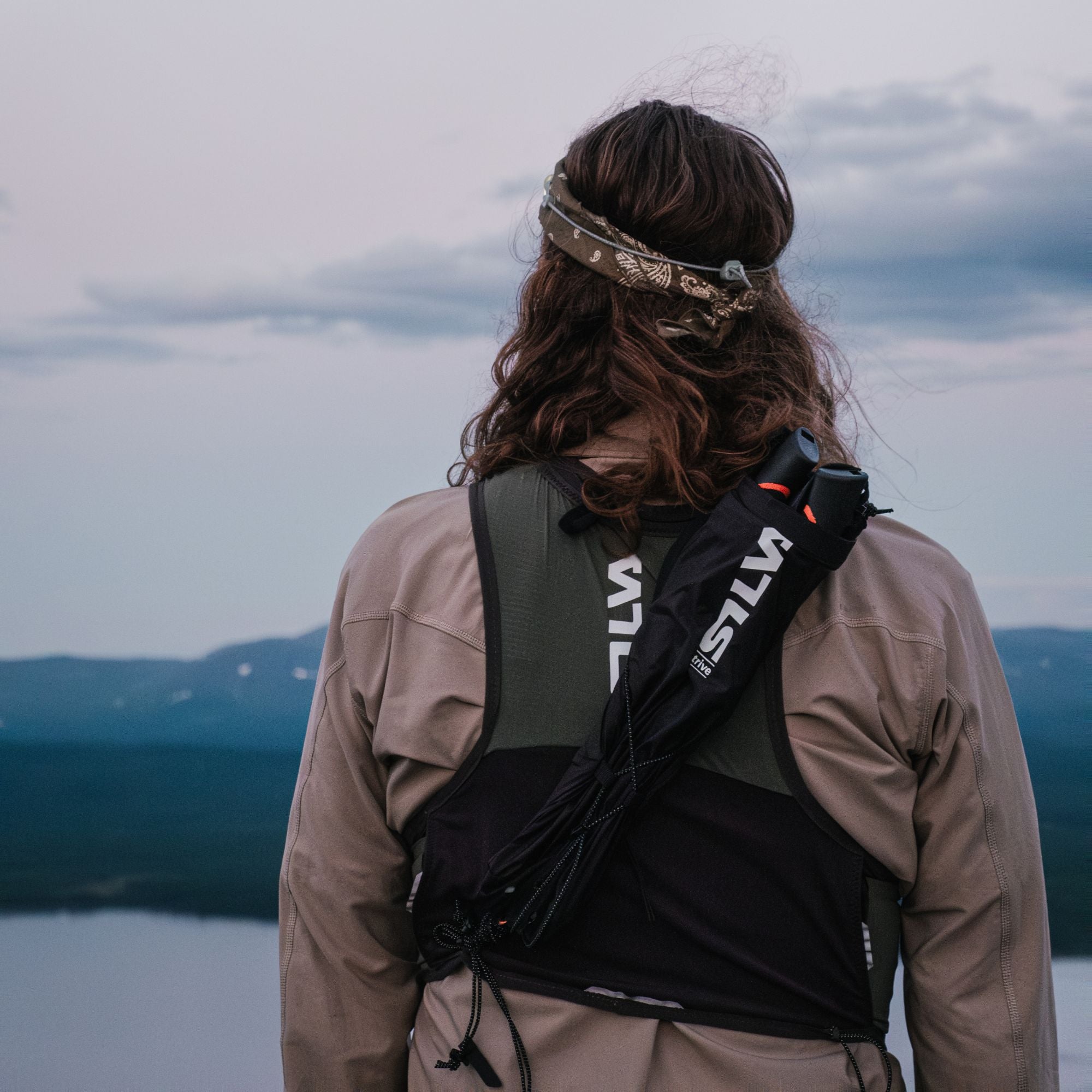
The approach and descent can account for most of the distance on a mountaineering day. Silva trekking poles can provide support on steep paths and reduce some of the strain during long descents after the summit section is finished.

Poles stop being useful when the terrain requires hands for climbing, an ice axe or other technical equipment. They need to stow securely on the pack before reaching sections where they would interfere with movement.

Build the kit around the complete mountain day

Technical requirements depend entirely on the mountain, season and route. A mountaineering setup may include:

  • A helmet, harness, rope, crampons, ice axe or other specialist equipment required by the route.
  • A stable backpack sized for the clothing, water and equipment needed for the full day.
  • A map and compass for independent navigation away from obvious trails.
  • A headlamp with enough burn time for a pre-dawn start and possible late finish.
  • Trekking poles for long non-technical approaches and descents.
  • Clothing, food, water and safety equipment matched to the altitude, weather and objective.

Silva equipment covers supporting functions rather than the technical protection system. Ropes, crampons, ice axes and other specialist mountaineering equipment must be selected for the actual terrain and conditions.

Frequently asked questions about mountaineering gear

These are common questions about backpacks, navigation, headlamps and Silva gear for mountain ascents.

What kind of backpack is suitable for mountaineering?

A pack that remains close and stable on steep terrain is a practical choice. Capacity depends on the route, weather and technical equipment, and the design should also work with a climbing harness when one is required.

Do you need a compass for mountaineering?

A map and compass are particularly relevant on remote routes and open mountain terrain. They provide an independent navigation option when visibility deteriorates or electronic navigation is unavailable.

Why carry a headlamp when mountaineering?

Mountain objectives often involve starting before sunrise, and delays can push the descent into darkness. A headlamp covers both ends of the day without occupying either hand.

Are trekking poles useful for mountaineering?

They are useful on long walking approaches and descents but need to be packed away securely when the terrain becomes technical and the hands are required for climbing or other equipment.

Does Silva make technical mountaineering equipment?

Silva's relevant products are primarily backpacks, compasses, headlamps and trekking poles. Specialist equipment such as ropes, crampons, helmets and ice axes must be selected separately for the intended route.

Are you in the right place
Canada Store | $ (CAD)
UK Store | £ (GBP)
US Store | $ (USD)