






Stargazing gear

Stargazing can start with very little equipment. Binoculars reveal more of the night sky, a headlamp with a red-light mode helps protect dark-adapted vision, and a compass can make a star chart easier to orient.

Filters

Sort by:

22 products

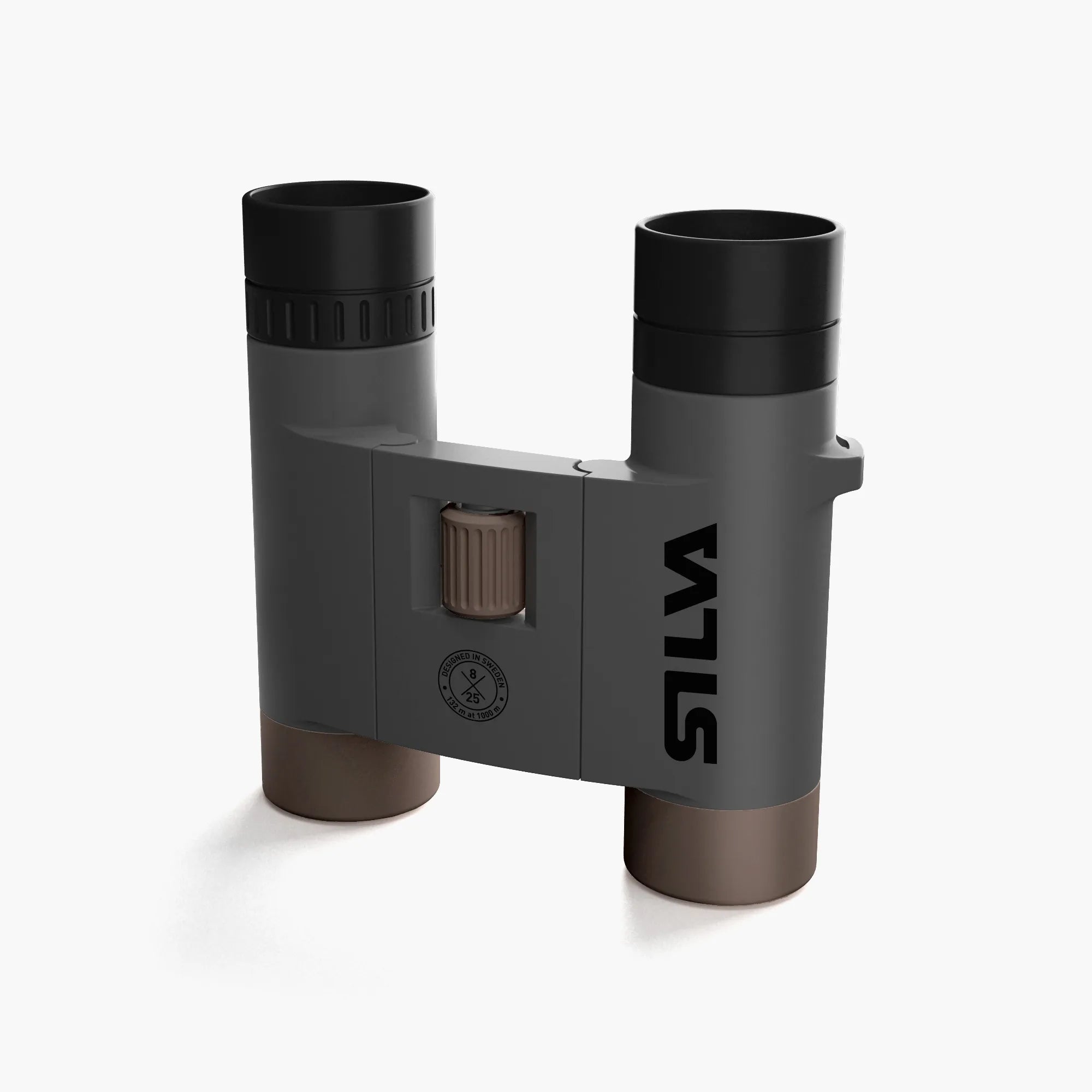
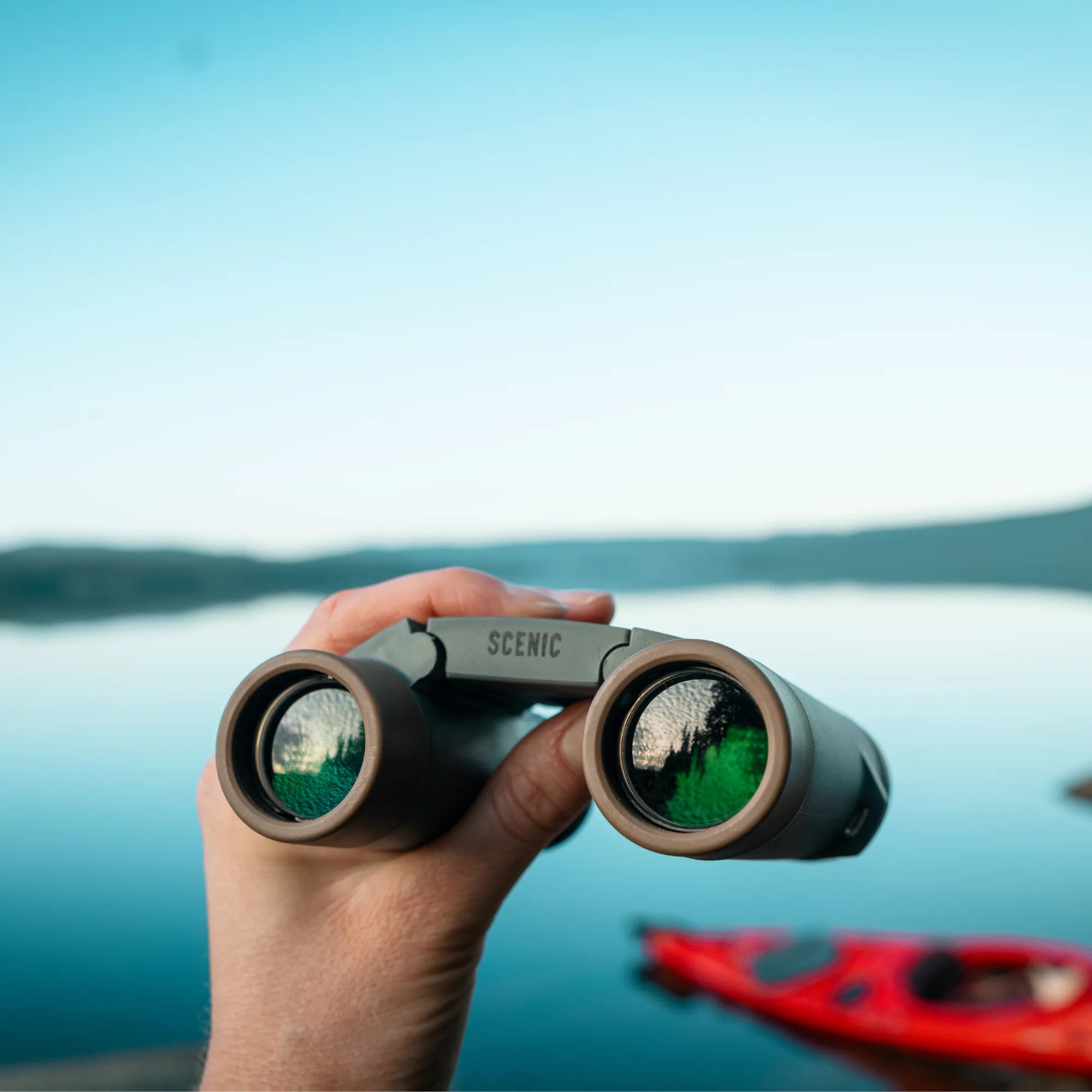
Scenic 8_37648_main_resized GREYUntitled design 27

8x magnification

Sale price849 SEK
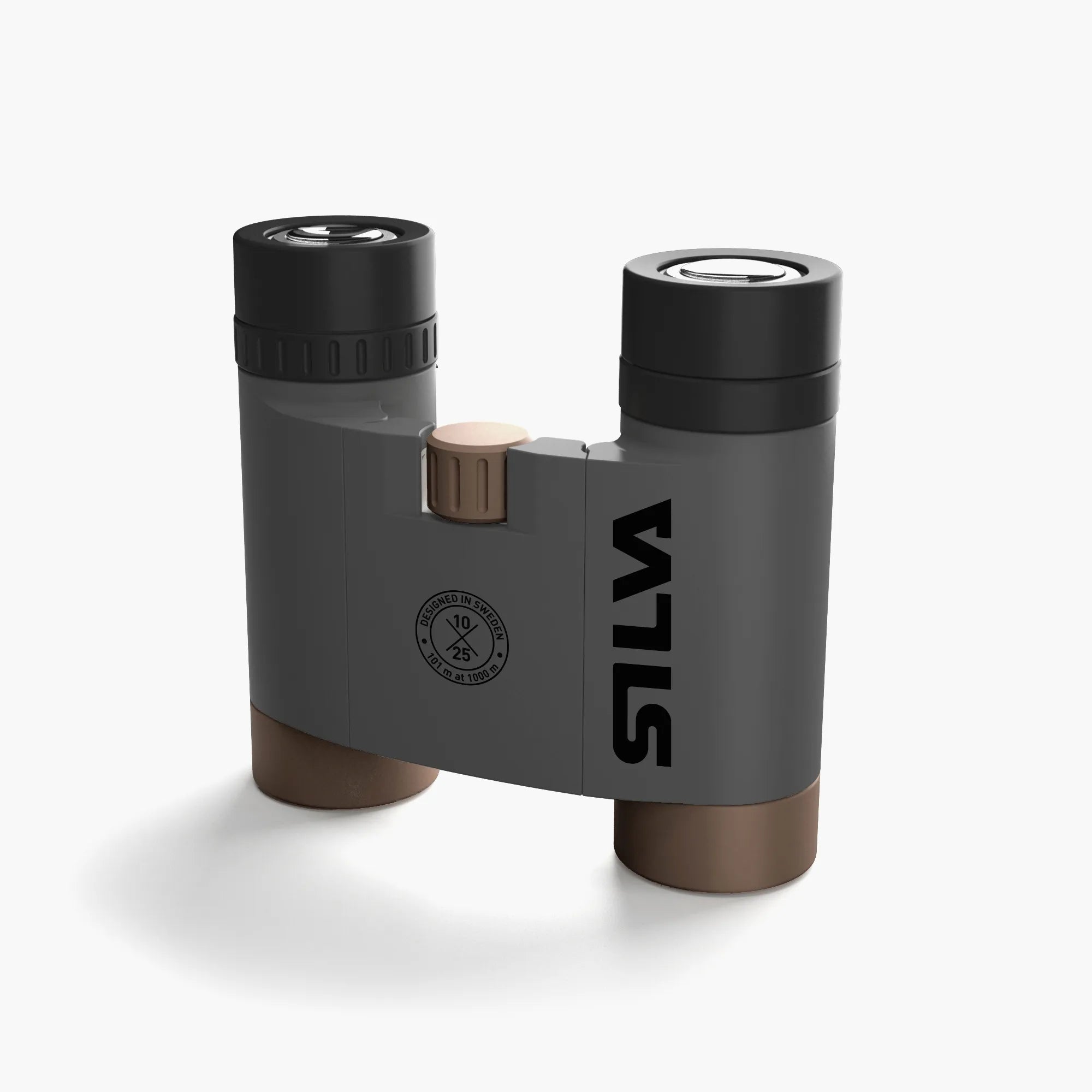
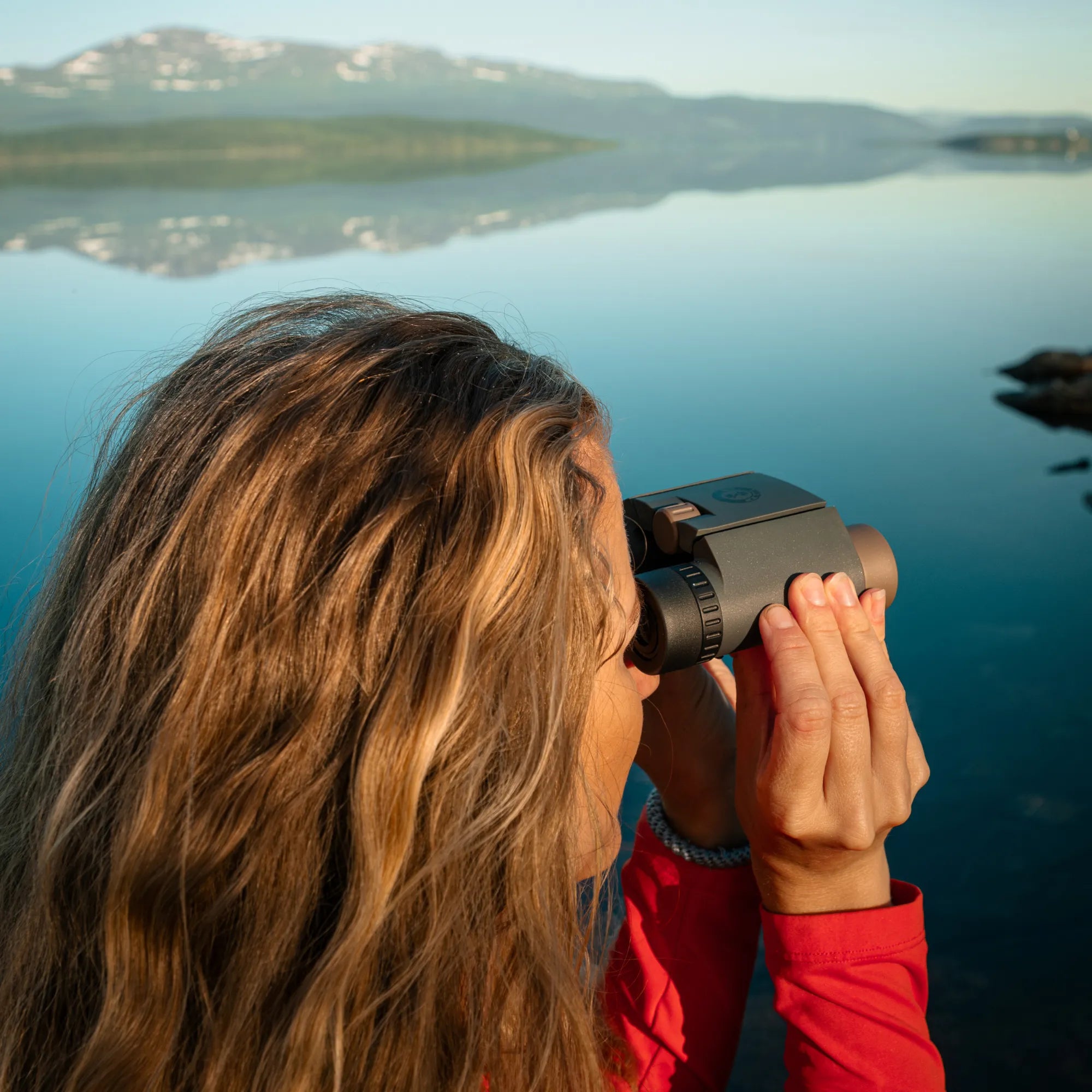
Epic 10_37649_main-resized GREYUntitled design 28

10x magnification

Sale price1,699 SEK
Expert_8x32_main-resized GREYBinoculars Expert 8x32_38509_lifestyle 1

8x magnification for wildlife observation and hiking
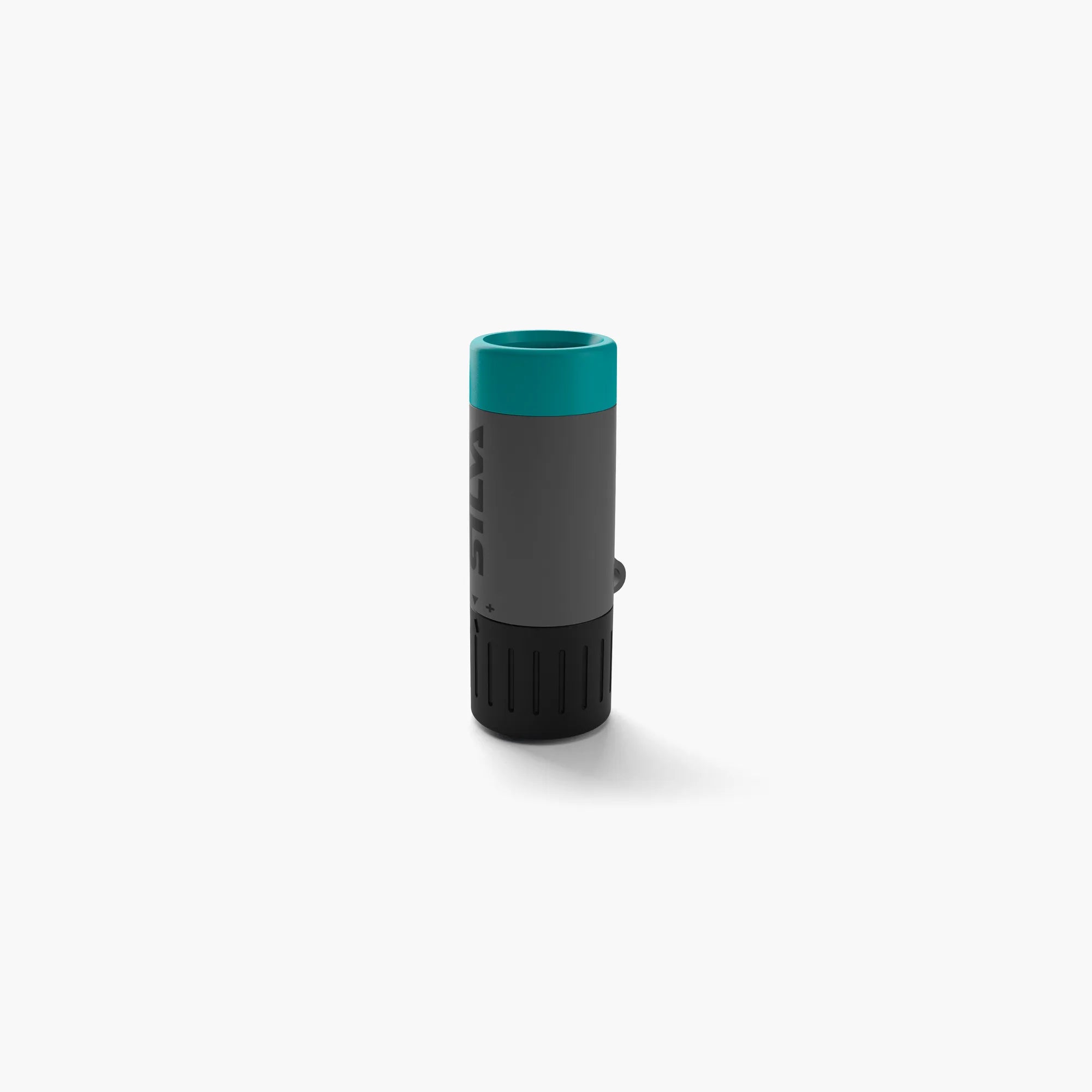
Sale price2,999 SEK
Binocular Pocket 7X_37616 GREYBinocular Pocket 7X_37616

Easy-to-use

Sale price429 SEK
Binocular Pocket 8X_37614 GREYUntitled design 25

A compact, lightweight with 21 mm lens and 8x magnification
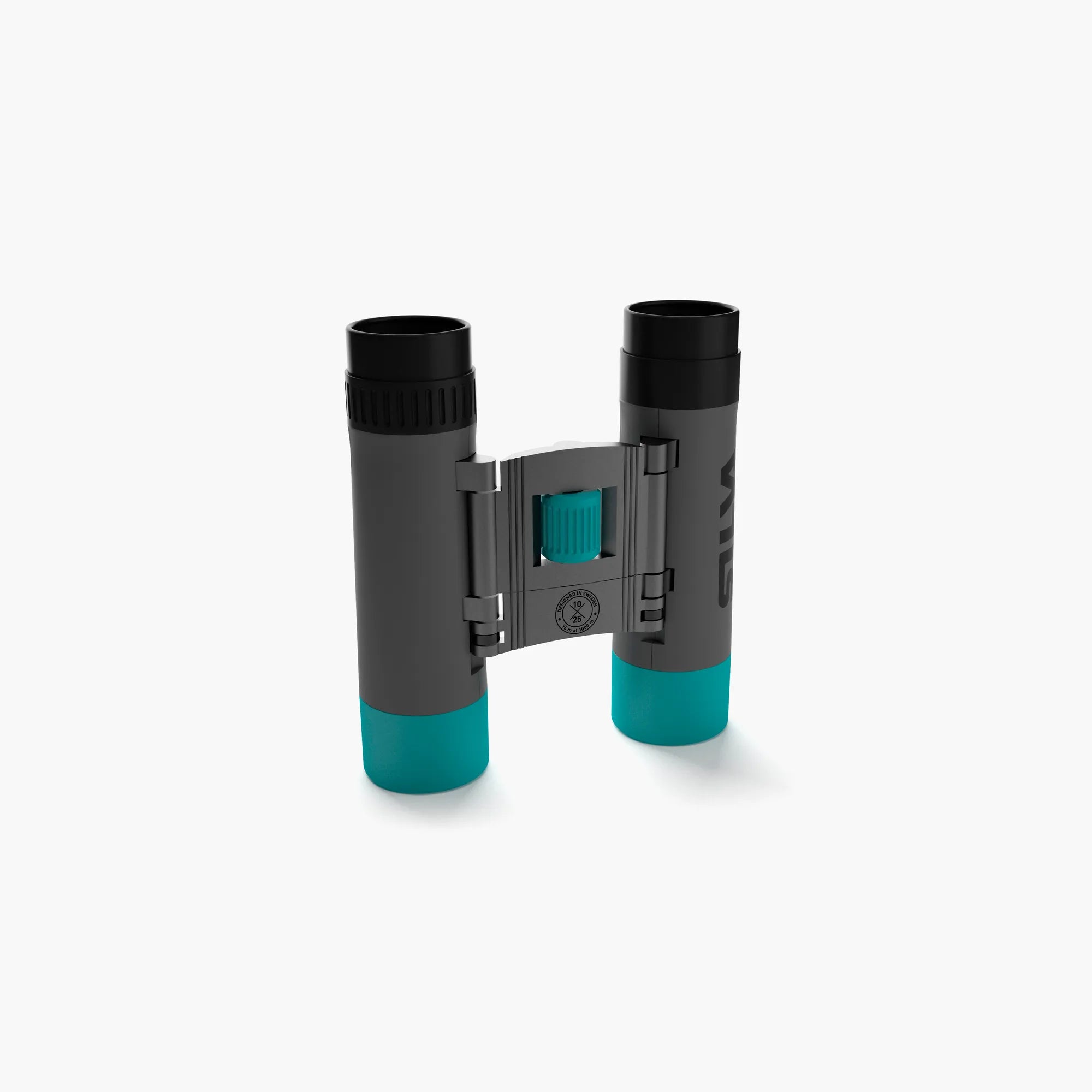
Sale price479 SEK
Binocular Pocket 10X_37615 GREYUntitled design 26

10x magnification

Sale price579 SEK
new
Seek 450 Cord Recharge family - 38688 and 38687 - White v2Seek_450_Cord_Recharge_Midnight_38688_main_GREY

Water-resistant • Rechargeable • Retractable band
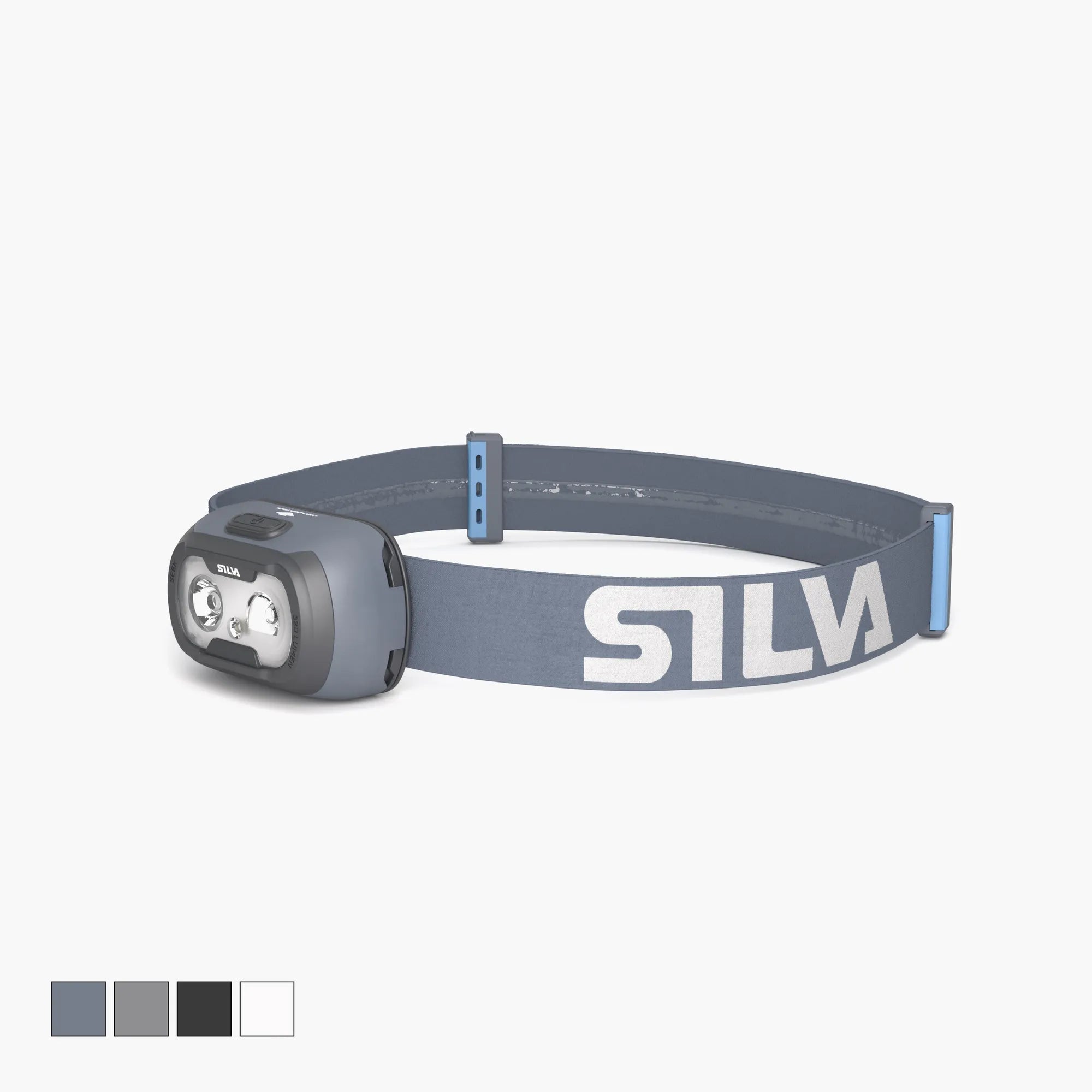
Sale price599 SEK
Seek 320 Series_main GREYSeek - lifestyle 2

Water-resistant • No battery • Burn time: up to 110 h
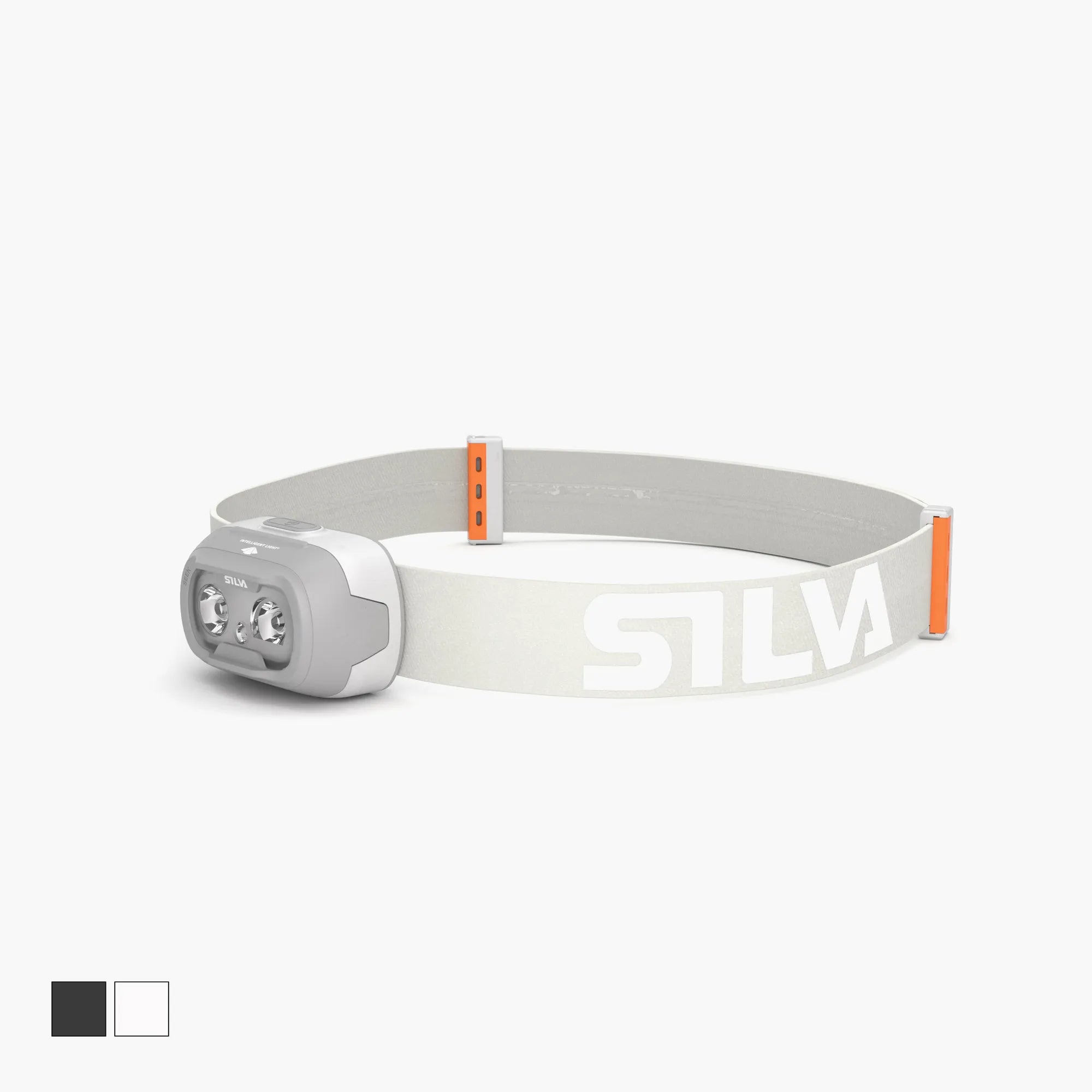
Sale price299 SEK
new
Seek 600 Recharge - family_38717 and 38731 - white v2Seek_600_Midnight_38717_main_GREY 1

Water-resistant • Rechargeable • Burn time: up to 75 h

Sale price799 SEK
smini-fly-multicolor-blueSMINI_Fly_Black

Rechargeable battery • Slim 3 mm headband • 38.5 g

Sale price499 SEK
Smini-multicolor-yellowUntitled_design_38

Rechargeable battery • Safety light included • 53 g
Sale price699 SEK
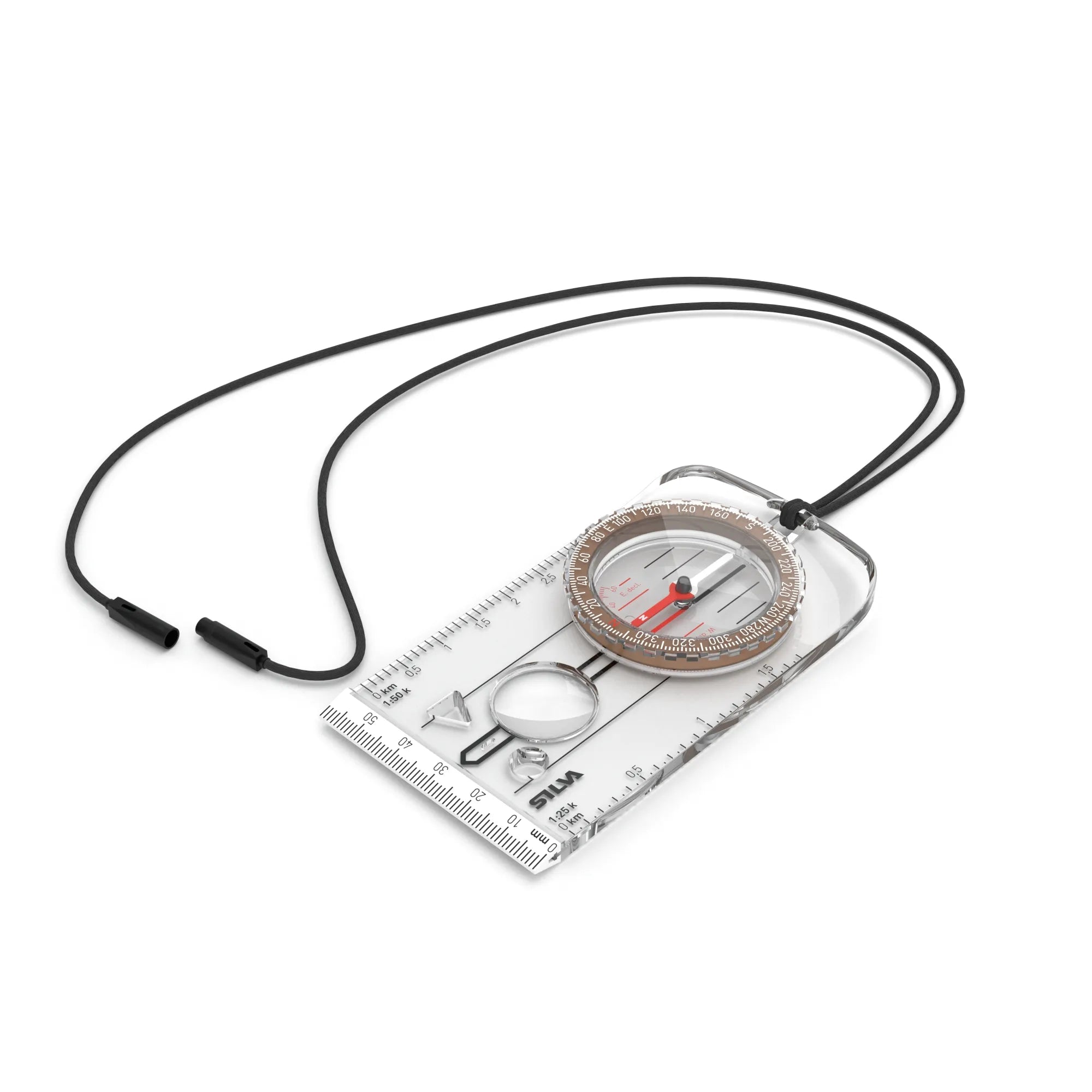
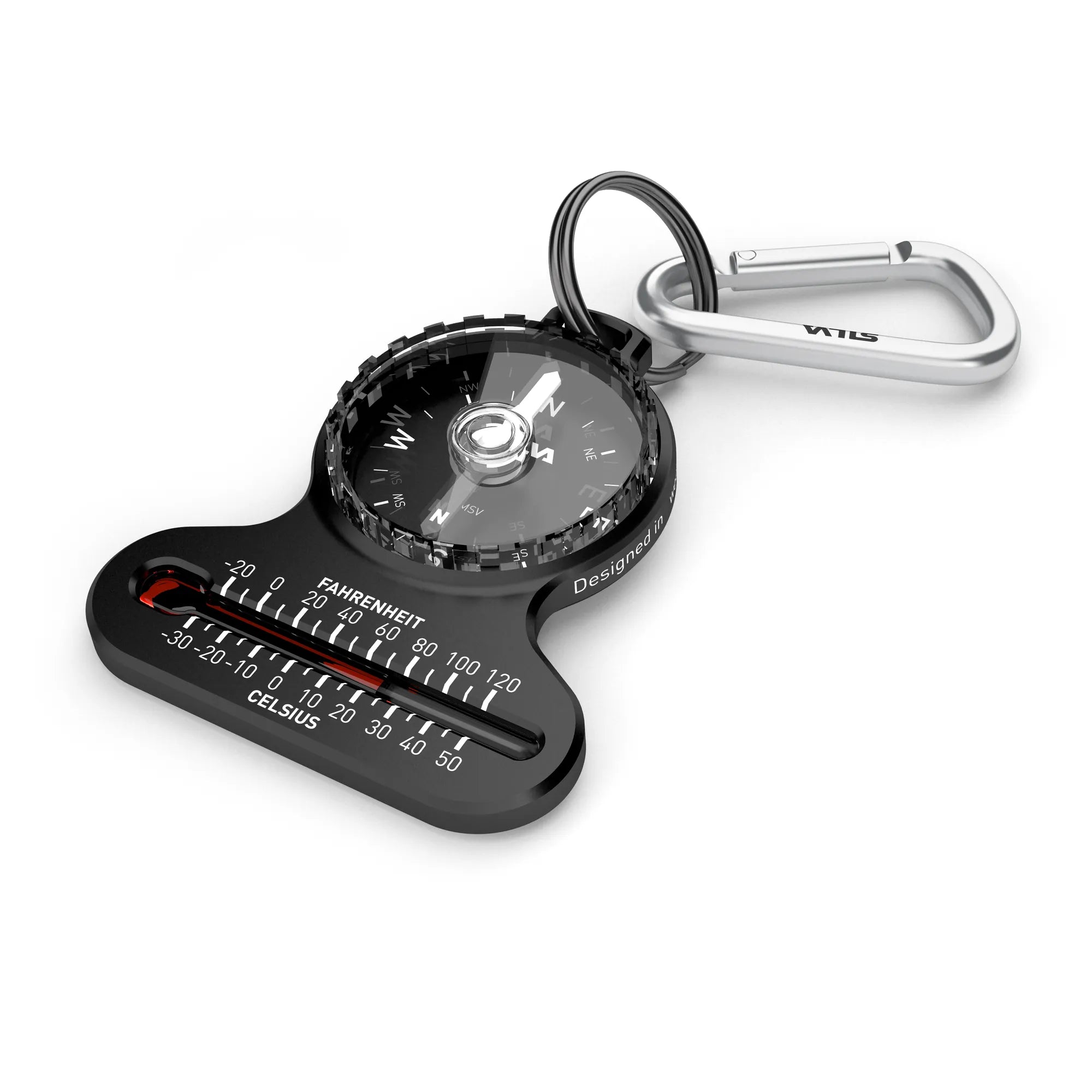
Pocket compass_37617_main

A small and simple compass

Sale price169 SEK
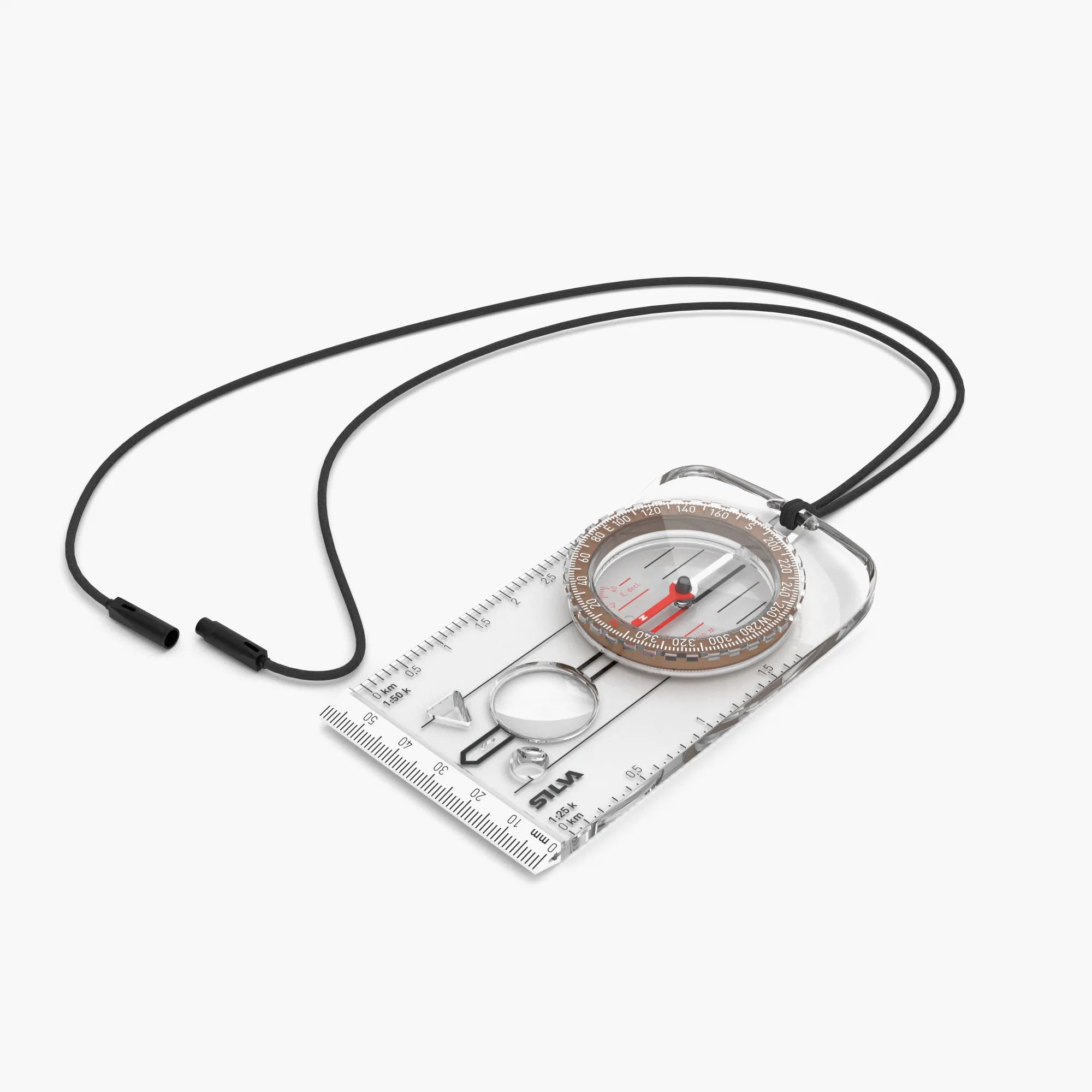
fieldField_37501_37503_37505_hang (2024)

Entry level compass with rotatable housing
Sale price279 SEK
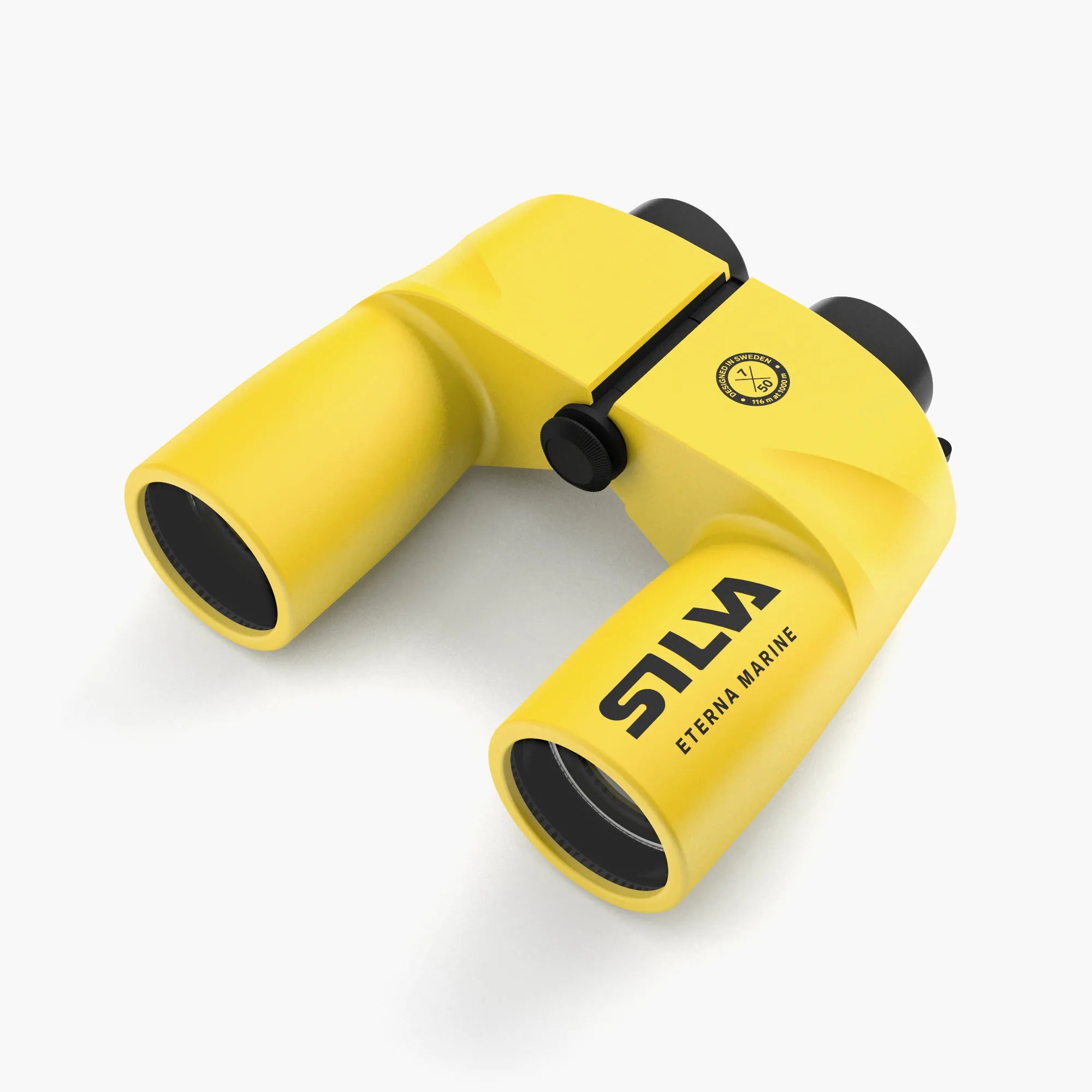
3NL-360_37583_37583-13_37583-15_main 2023 grey bg3NL-360_37583_37583-13_37583-15_main (2023)

All-round compass, suitable for most outdoor activities
Sale price379 SEK
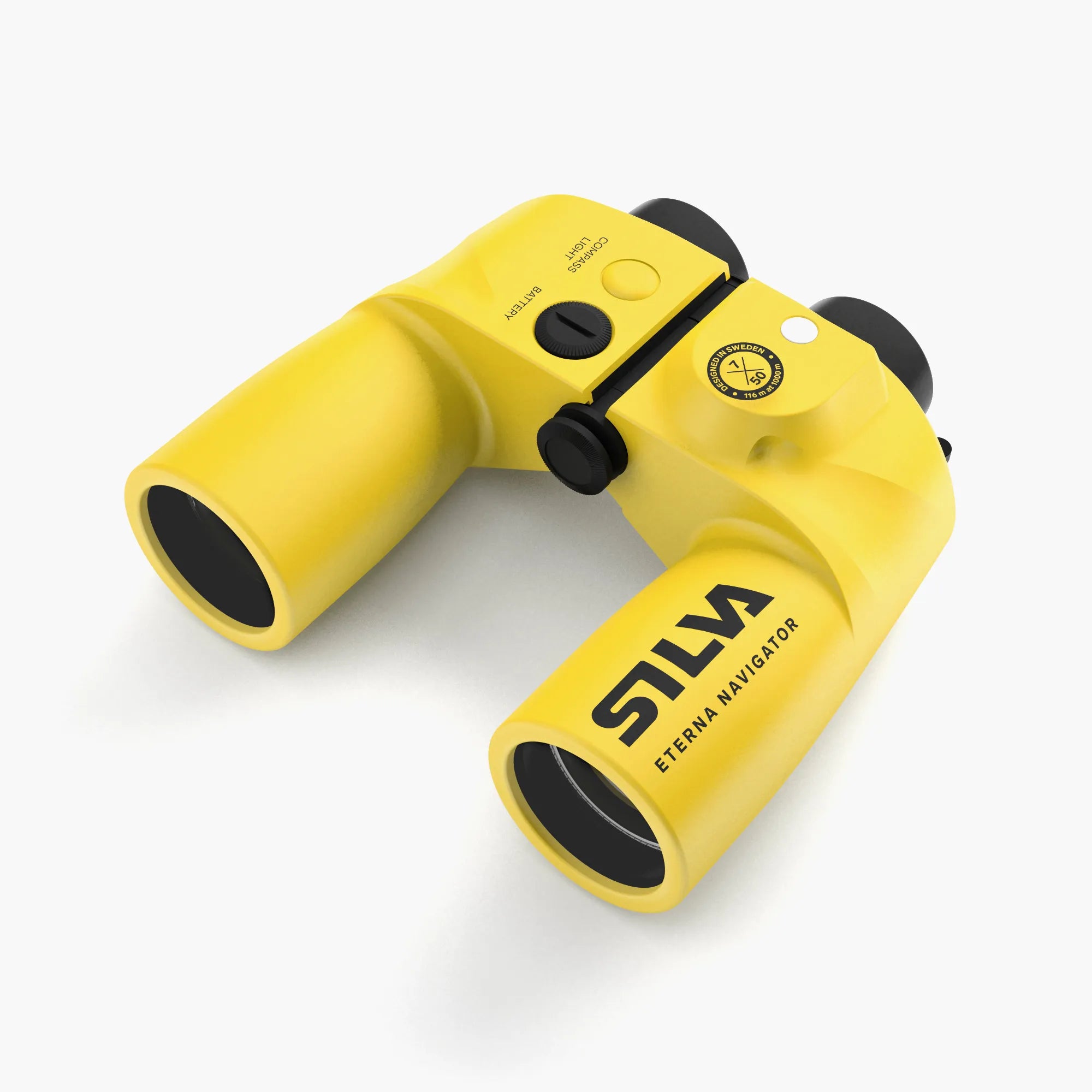
Eterna Marine 3_37767_main persp PATH GREYUntitled design 30

Waterproof, floating binoculars designed for marine use
Sale price2,799 SEK
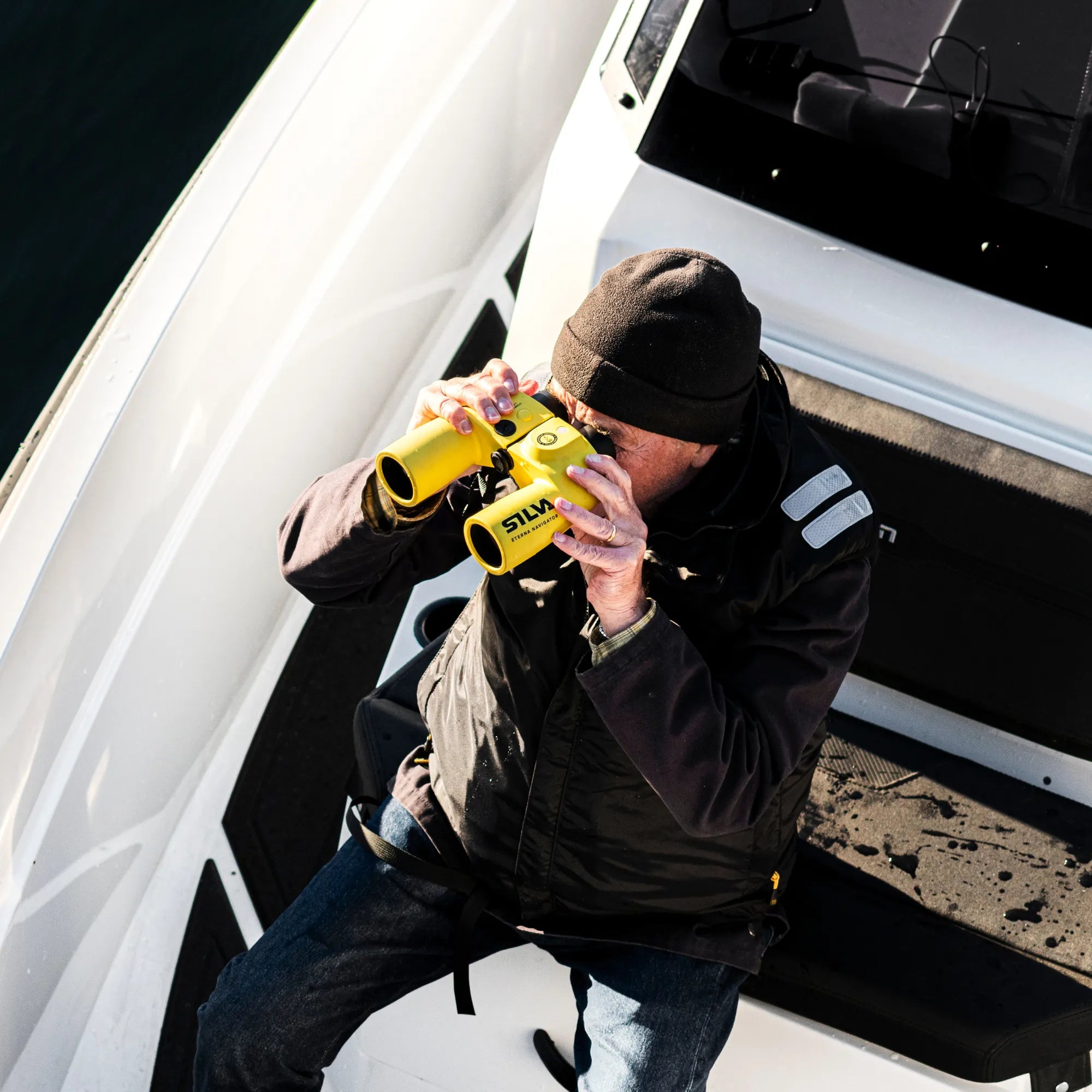
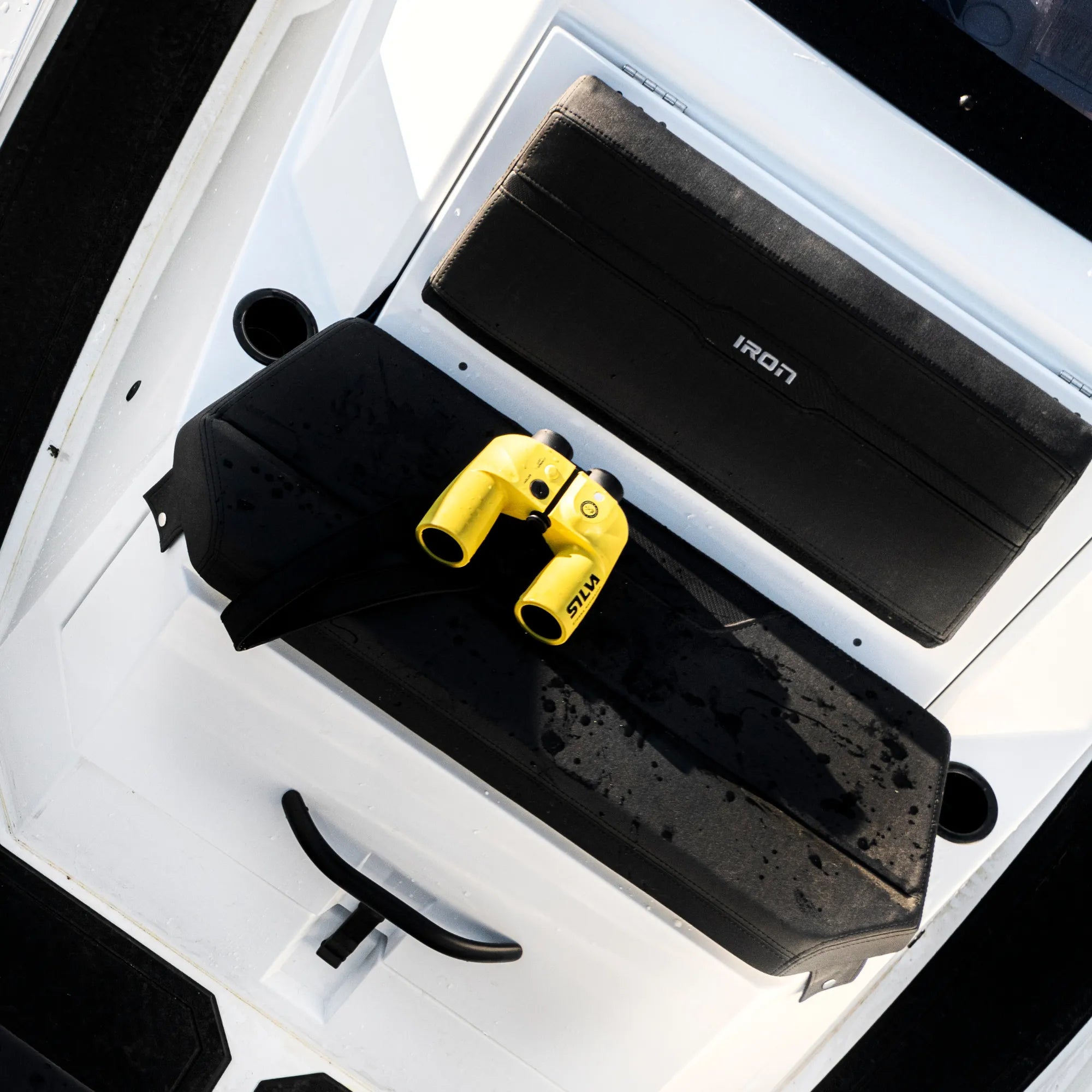
Eterna Navigator 3_37768_main persp PATH GREYUntitled design 31

Waterproof, floating binoculars with built-in compass for Marine use

Sale price2,999 SEK
Smini Rear Light 2-packSmini Rear Light 2-pack
Sale price349 SEK Regular price398 SEK
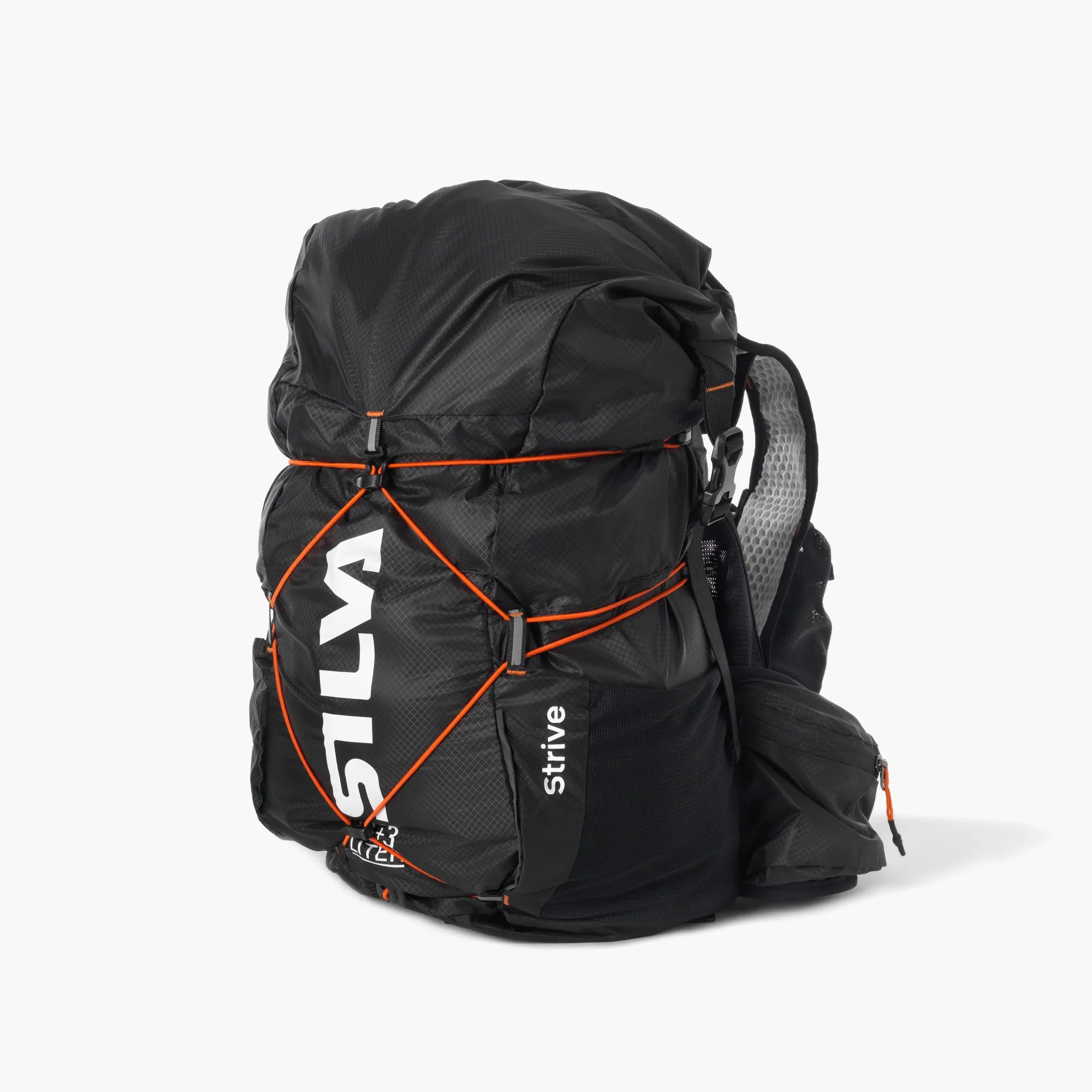
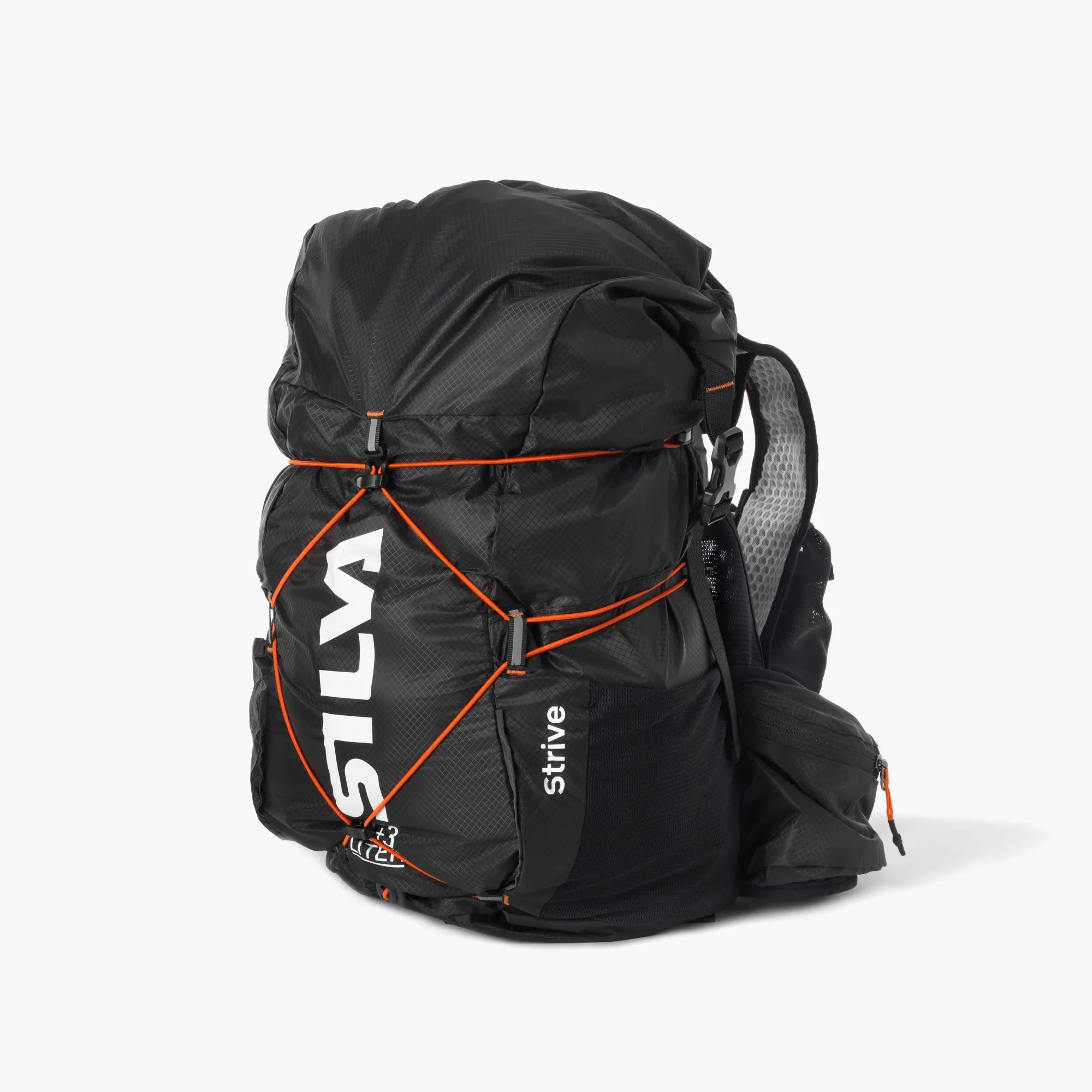
Strive Mountain Pack 233_38013 38014_main GREYUntitled design 12

26L backpack for running, hiking, and commuting

Sale price1,299 SEK
Terra_Rain_Cover_S_38262-mainTerra_Rain_Cover_S_38262-main_with_bag

Protect your backpack

Sale priceFrom 244 SEK Regular price349 SEK
Strive Mountain Pack 173_3801538016_main GREYMountainpack
Sale price1,199 SEK
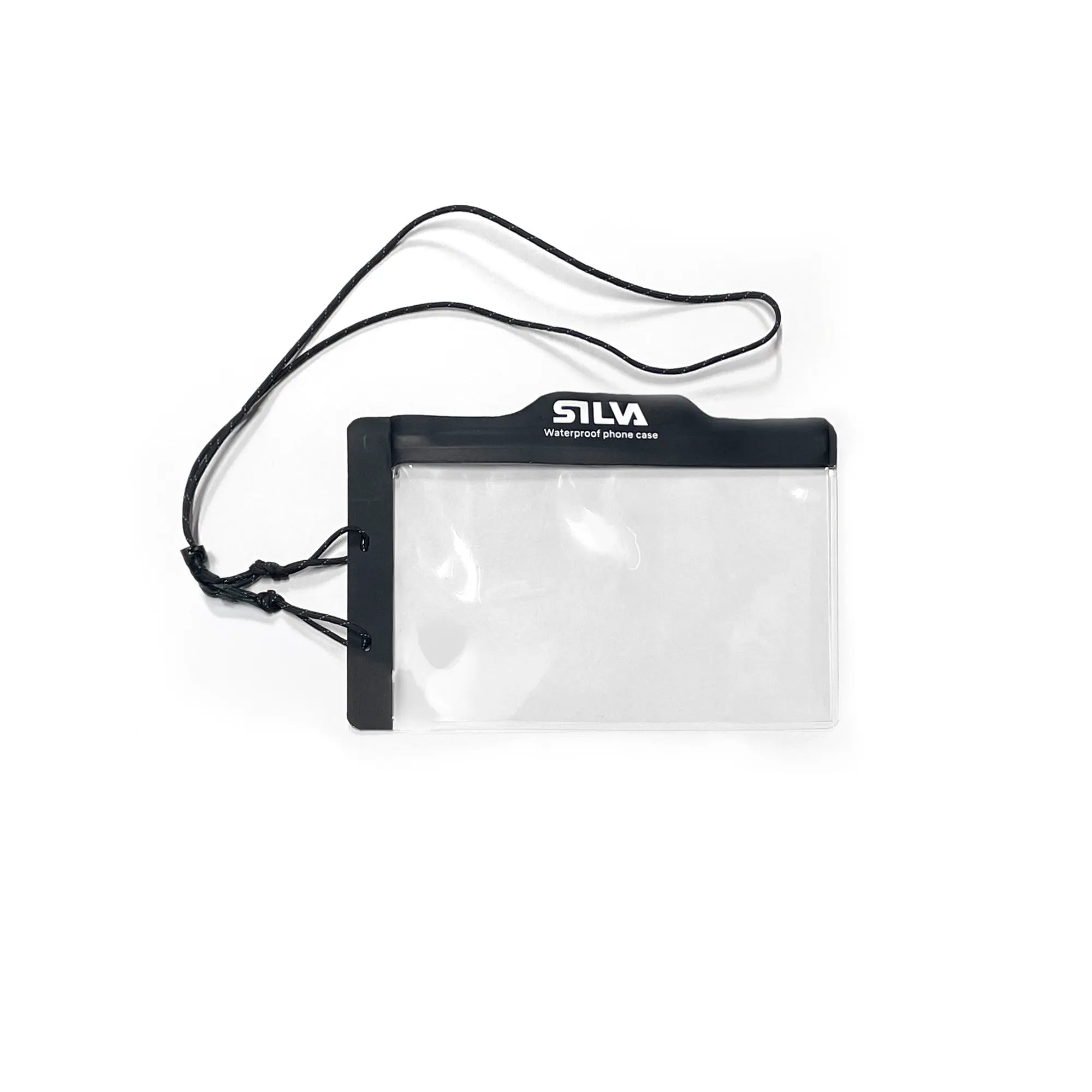
Waterproof phone case_38428Waterproof phone case_38428_lifestyle1

180x108 mm

Sale price169 SEK
new
Waterproof phone case_LARGE_draft

Large waterproof phone case (IPX7)

Sale price199 SEK

Start with binoculars, not a complicated setup

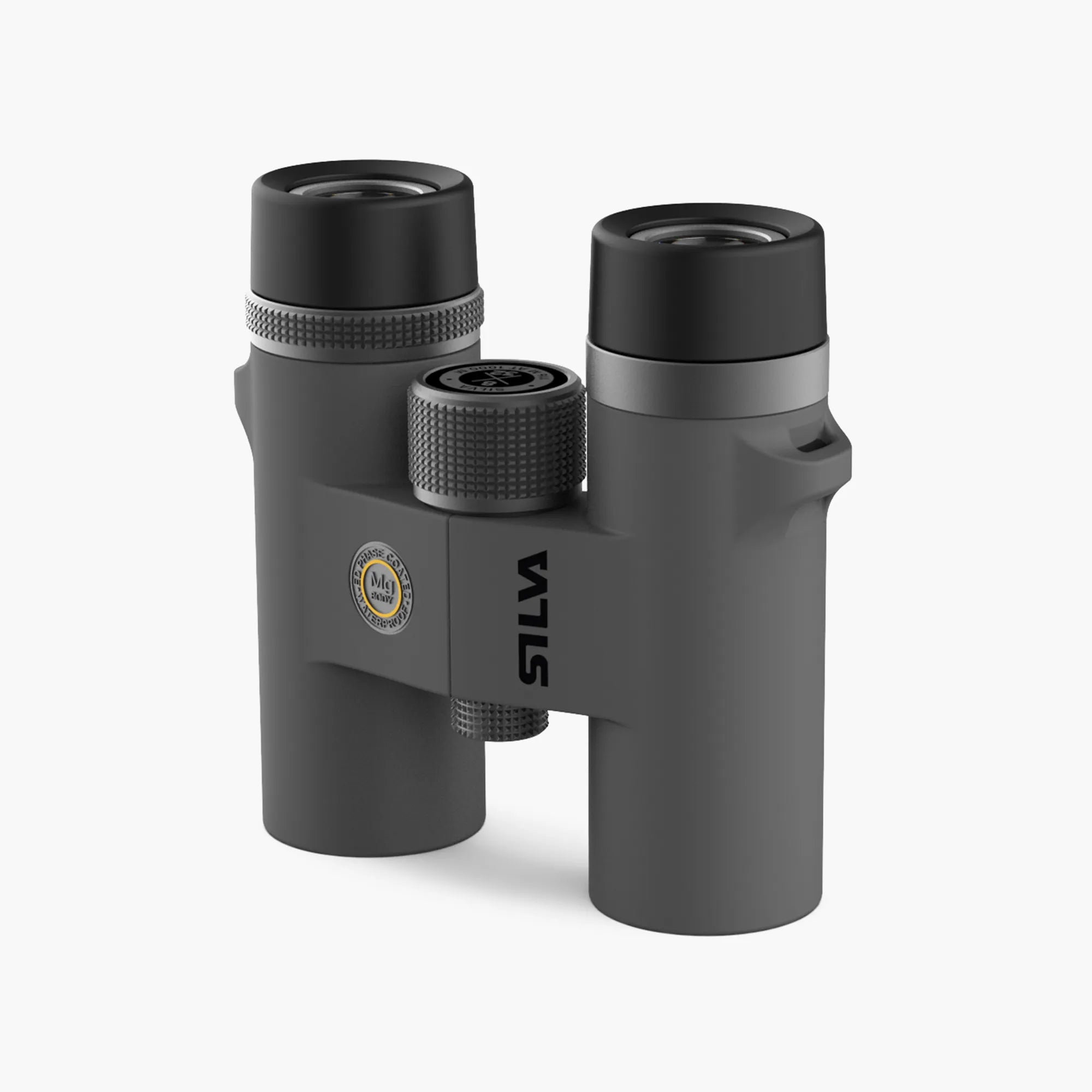
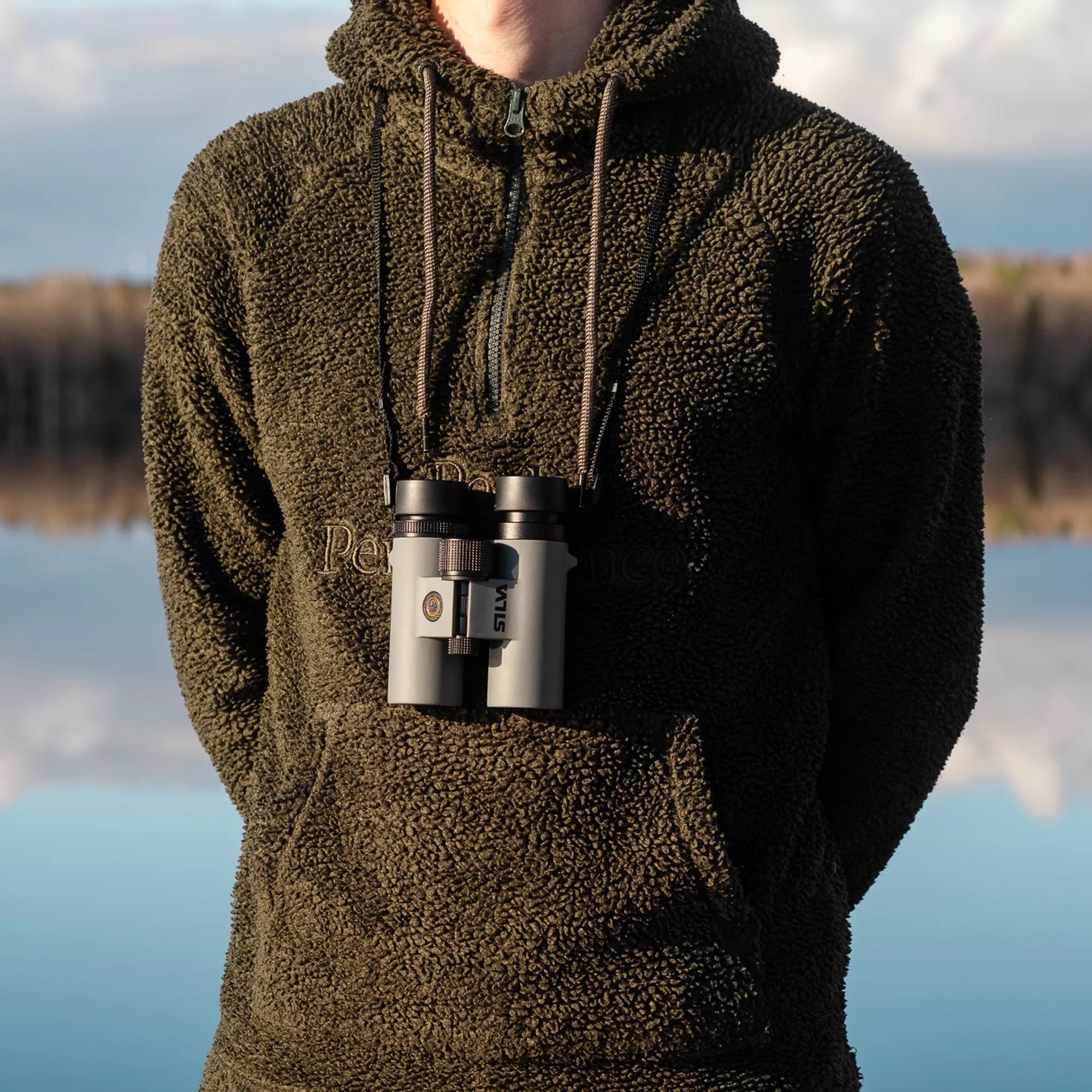
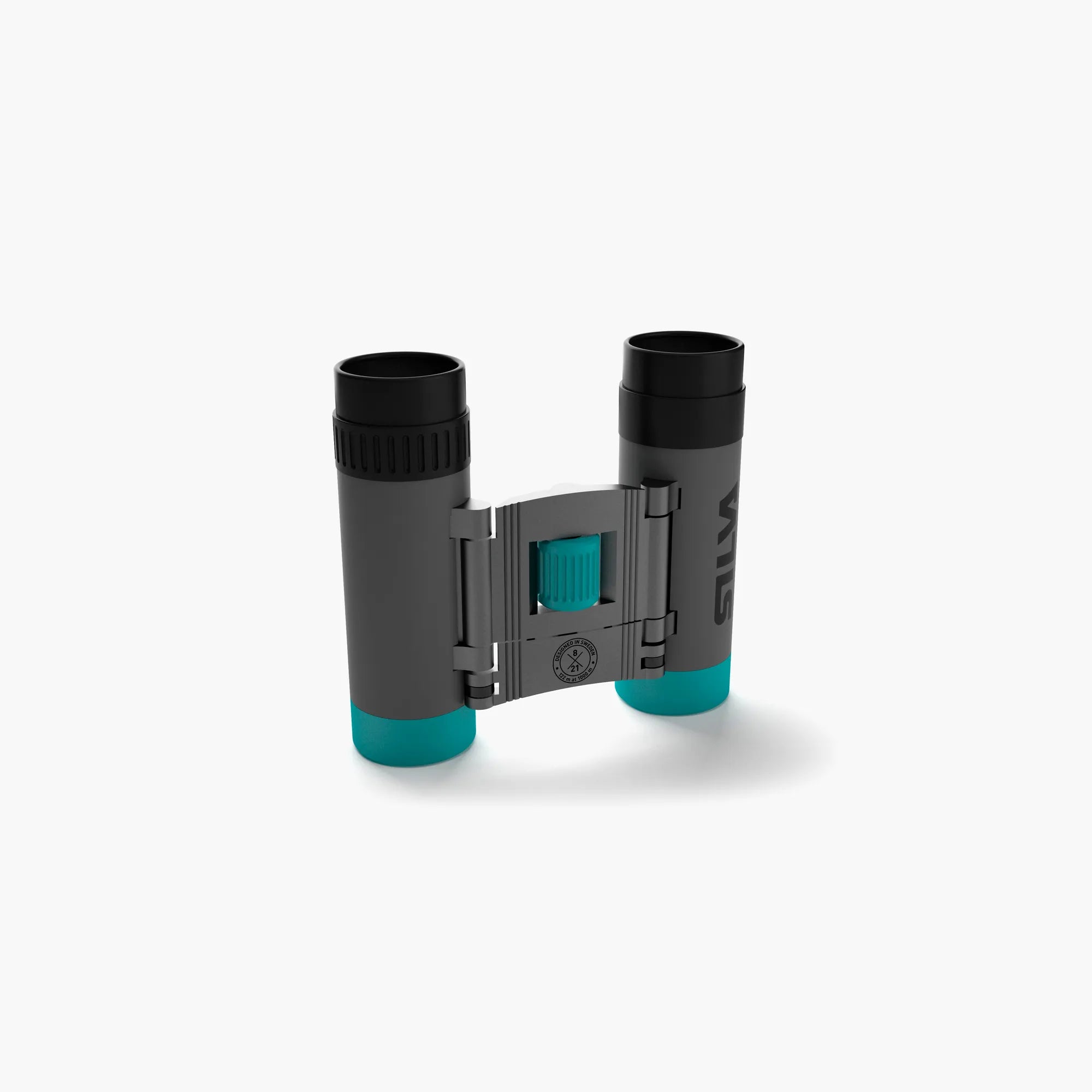
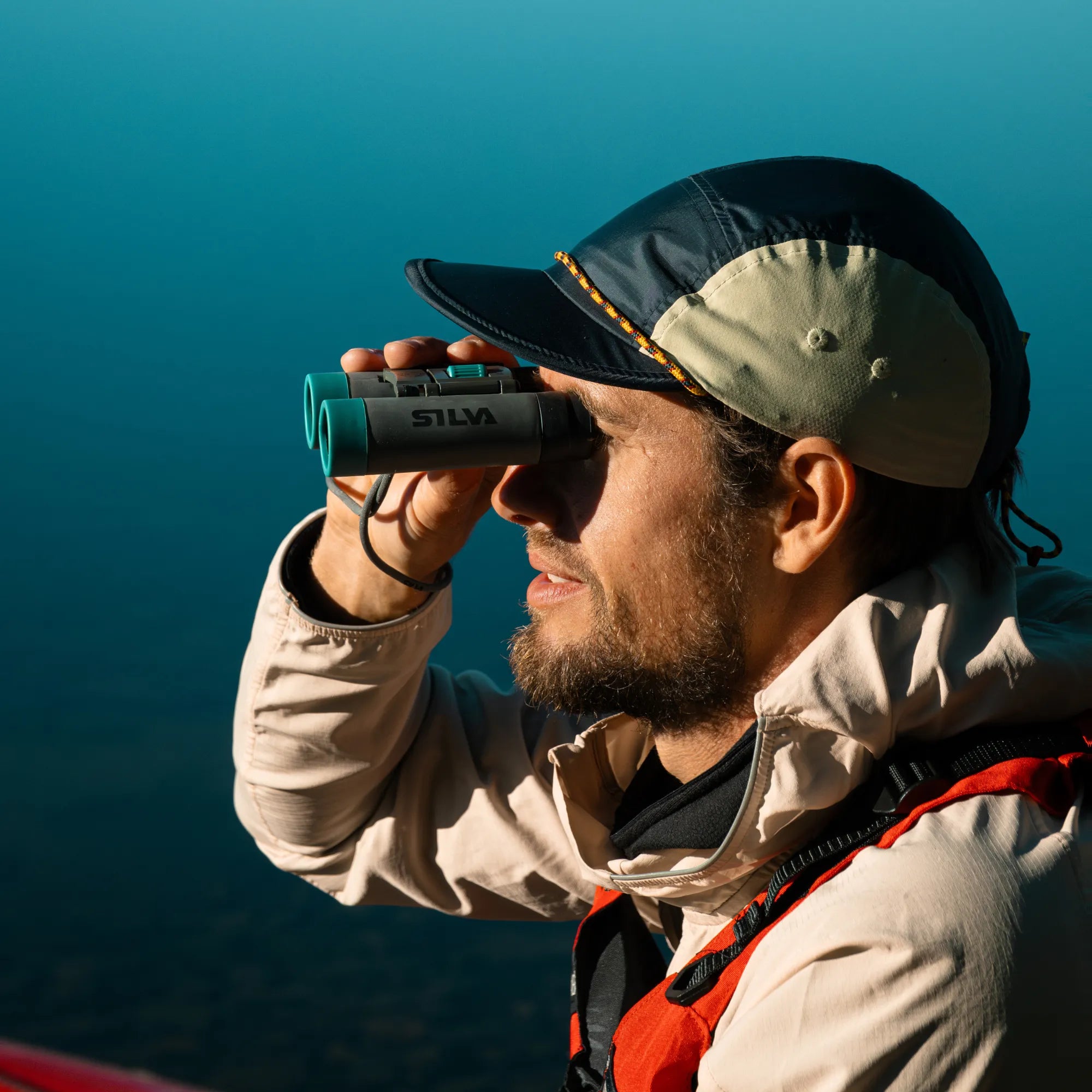
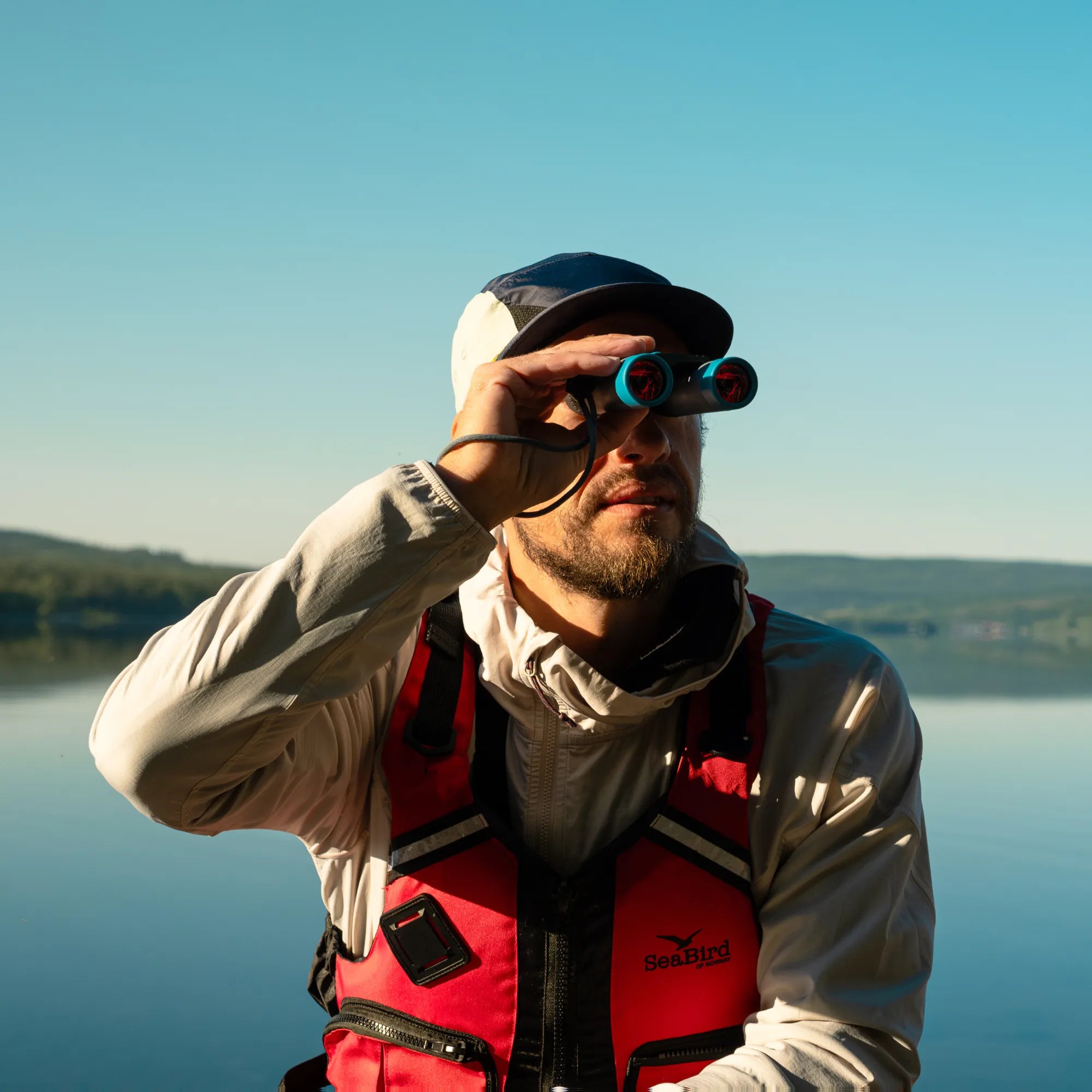
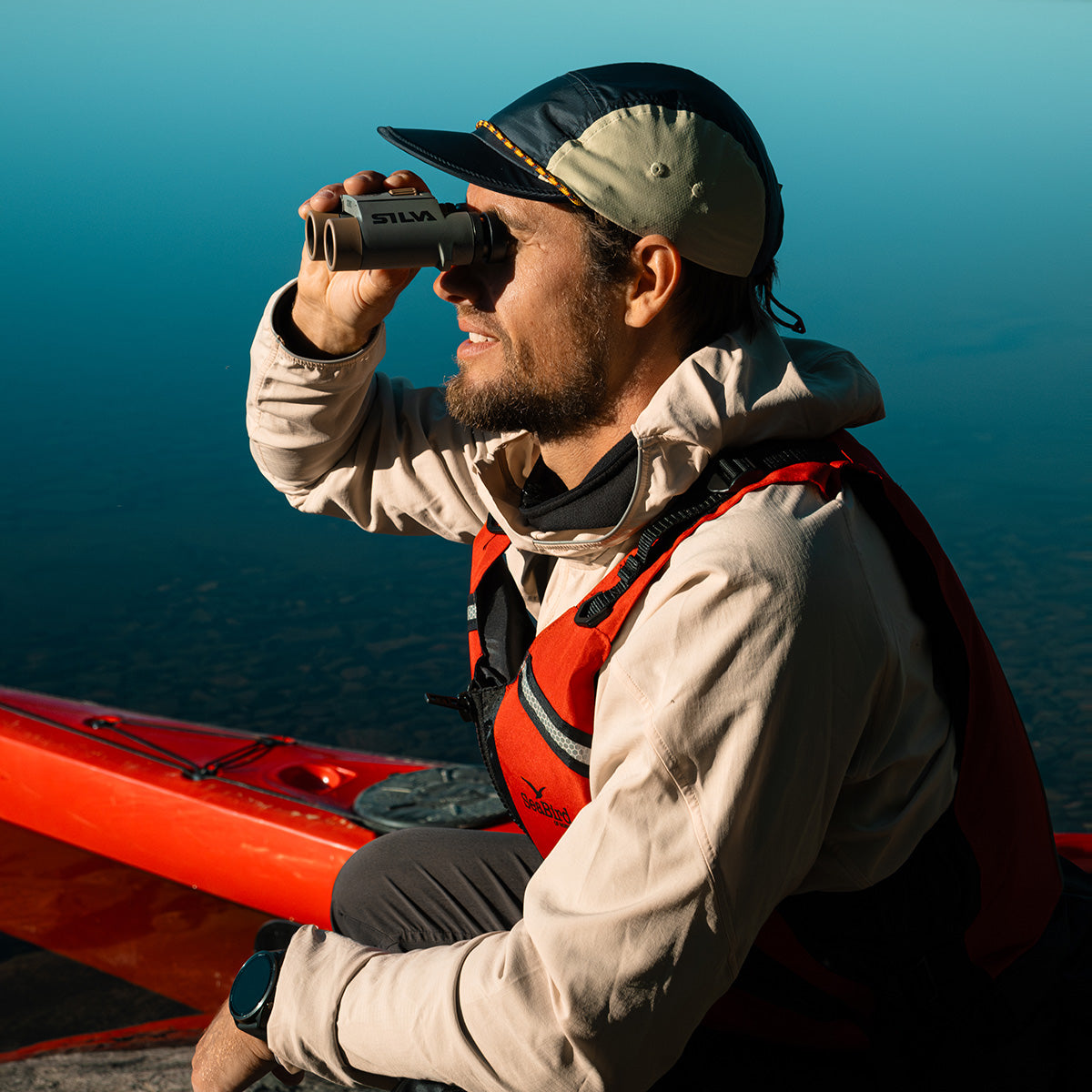
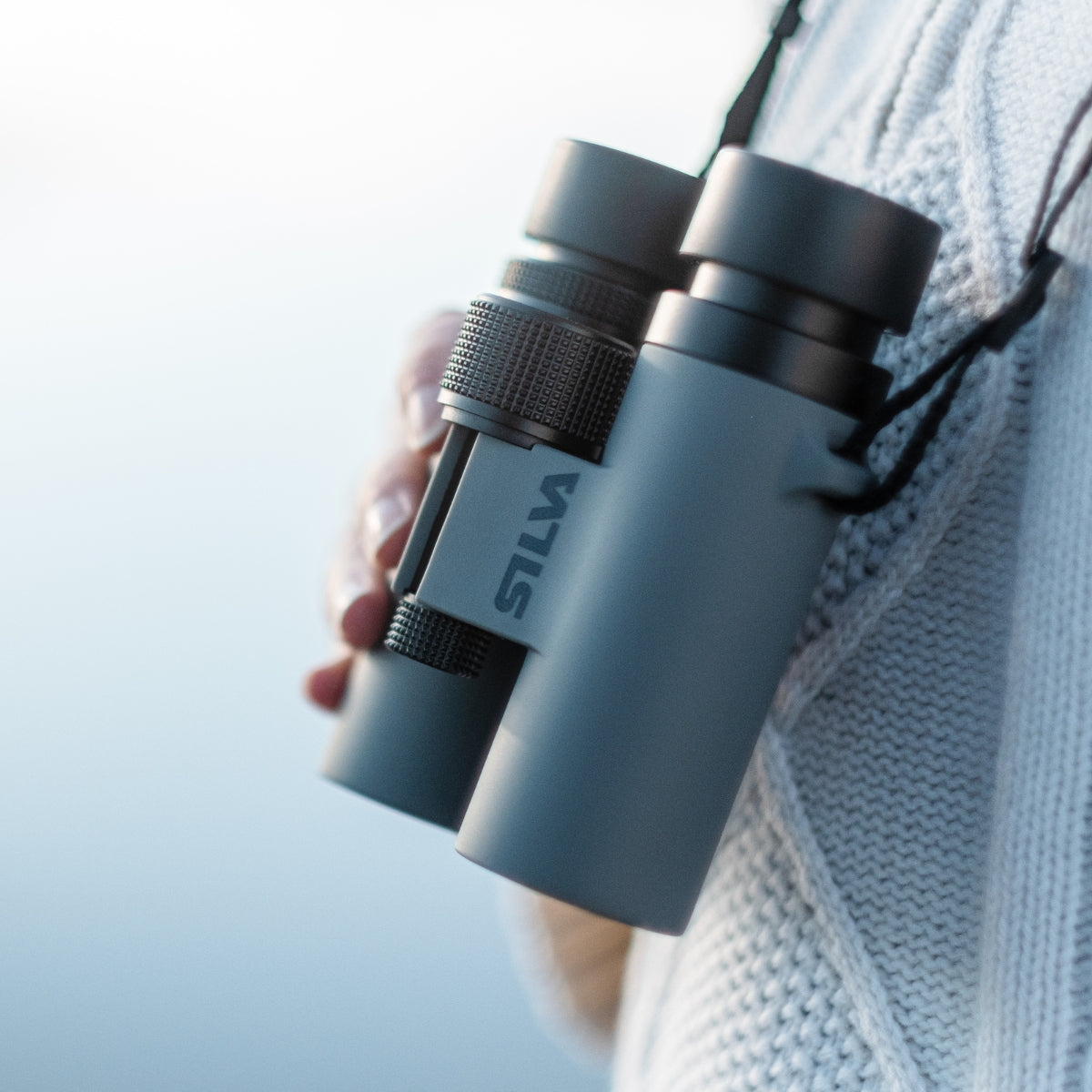
Binoculars offer a simple way to explore more of the sky without setting up a telescope. They can bring out extra detail on the Moon and reveal richer star fields and brighter clusters. Silva outdoor binoculars are compact enough to carry when a darker observing location requires a short walk.

Higher magnification is not the only consideration for handheld viewing. A steady image and a useful field of view make it easier to scan the sky and locate what you are looking for. Lower magnification is generally easier to hold steady, while more magnification brings a smaller area of sky closer.

Use red light once your eyes adjust

Your eyes gradually become more sensitive after spending time away from bright light. Switching on a powerful white lamp can quickly make faint stars harder to see again.

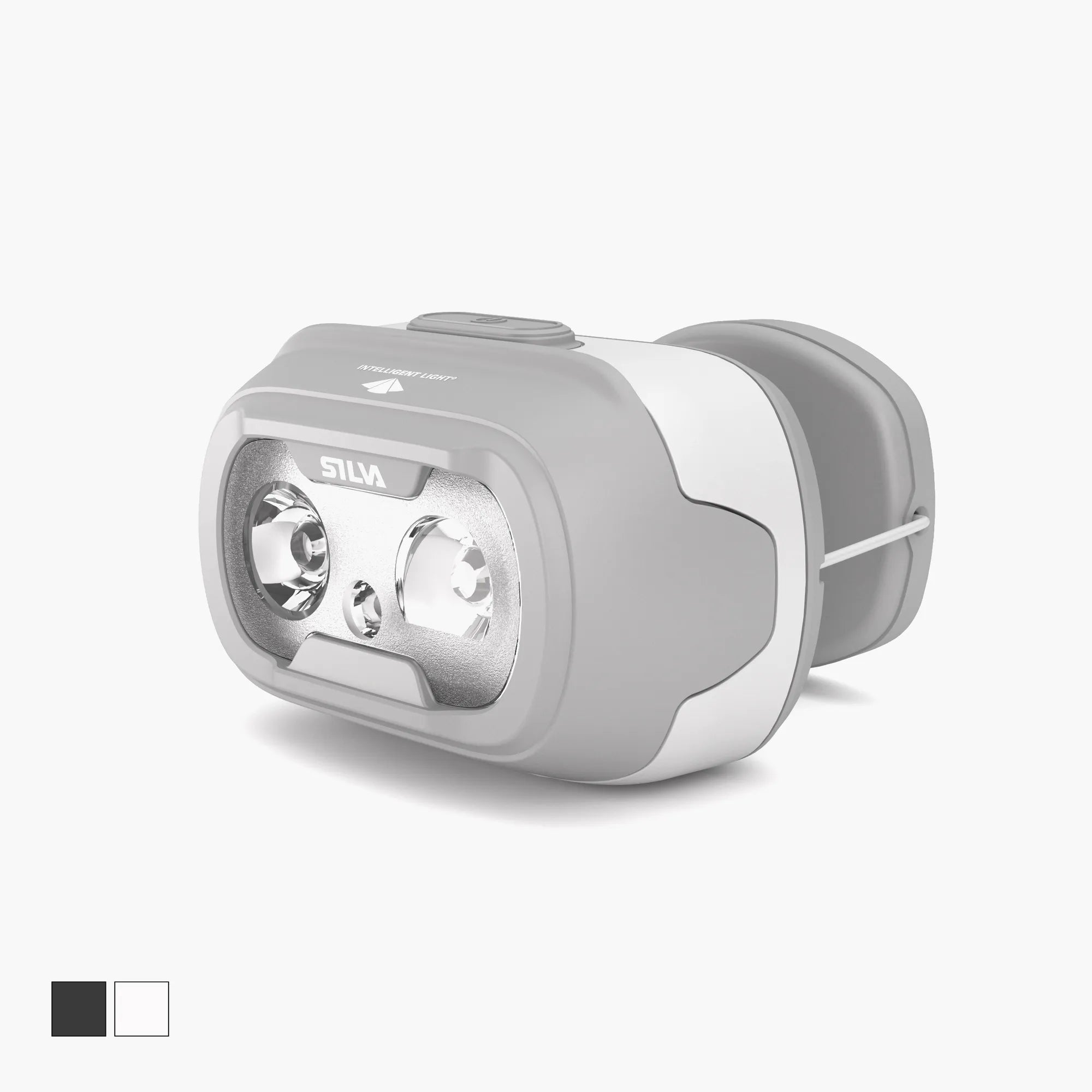
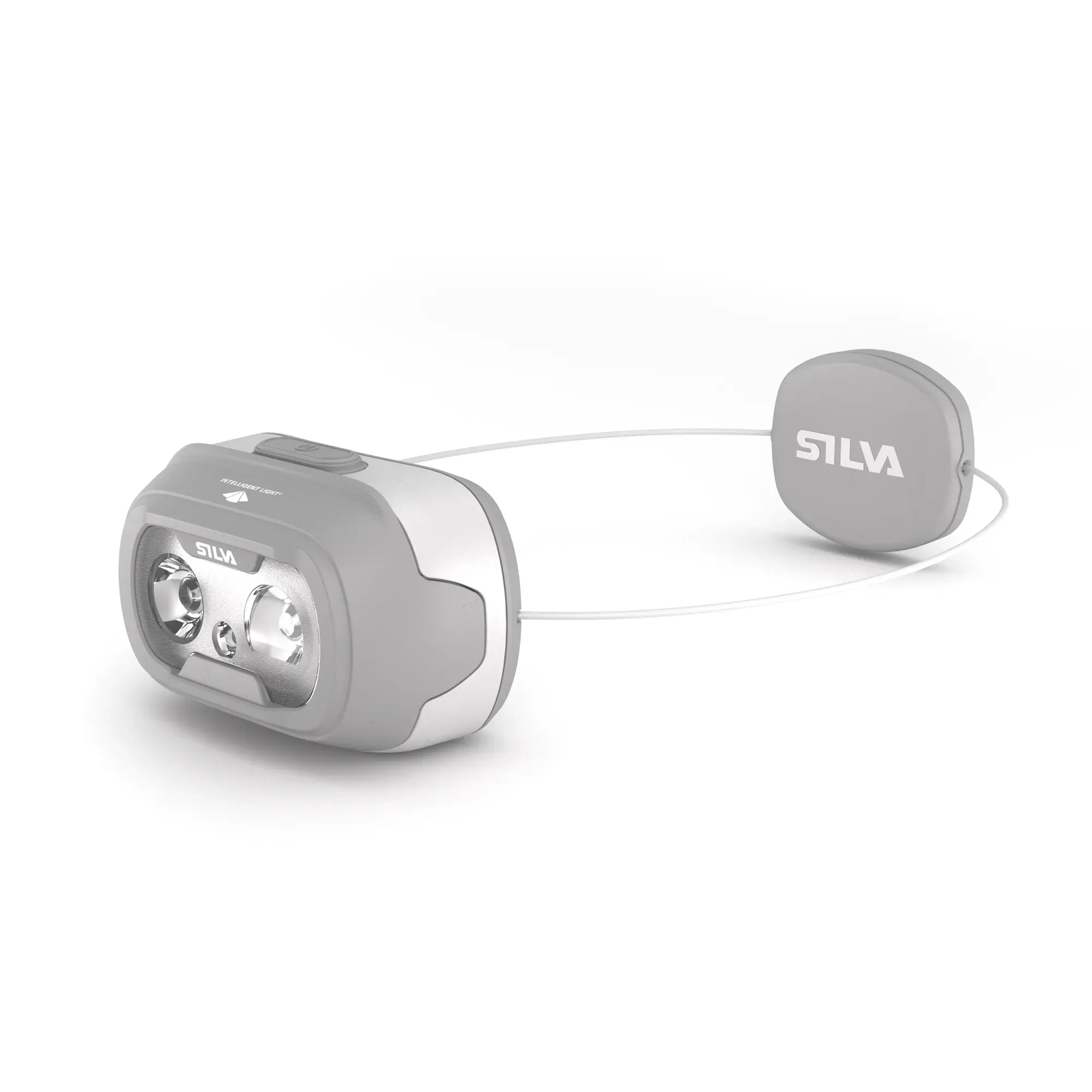
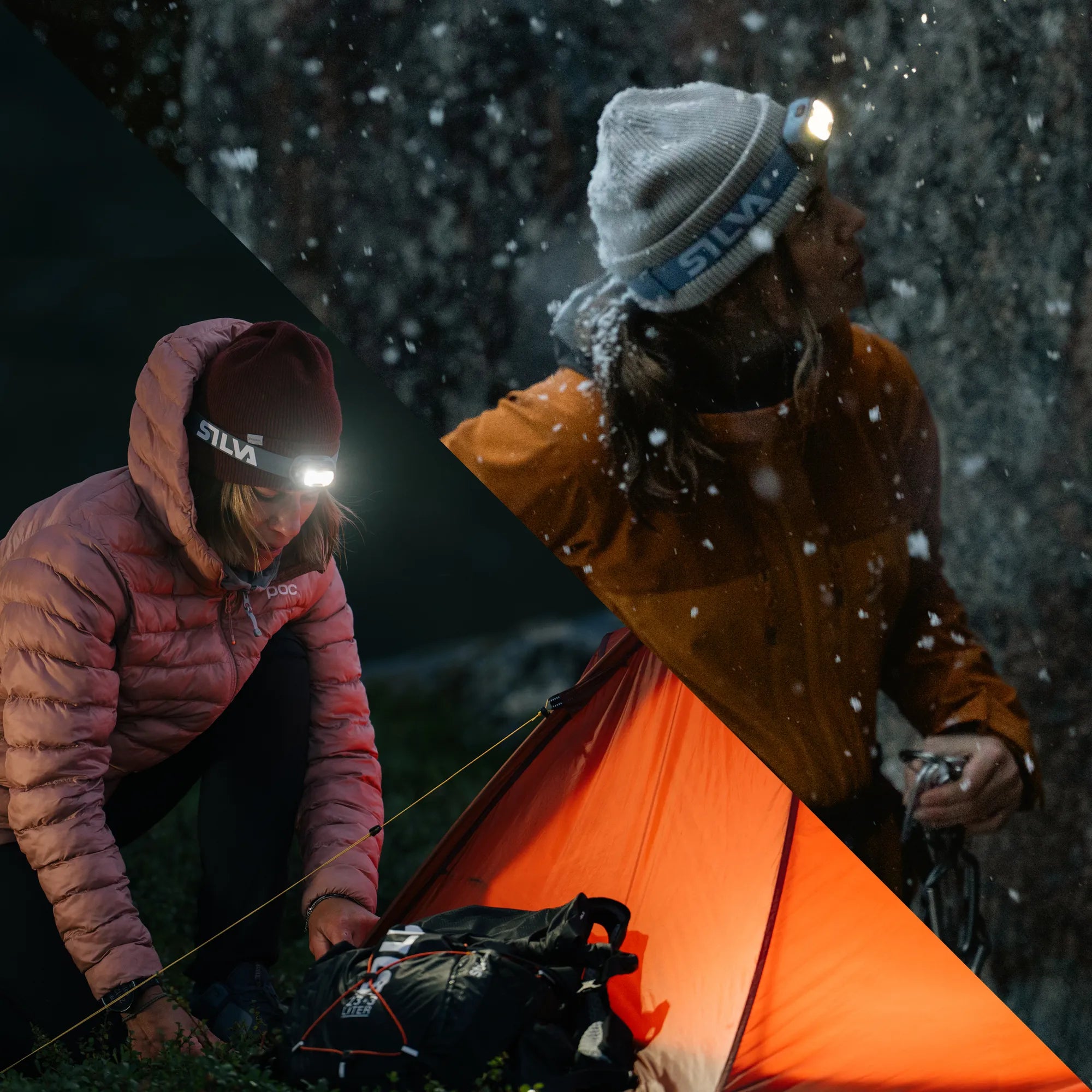
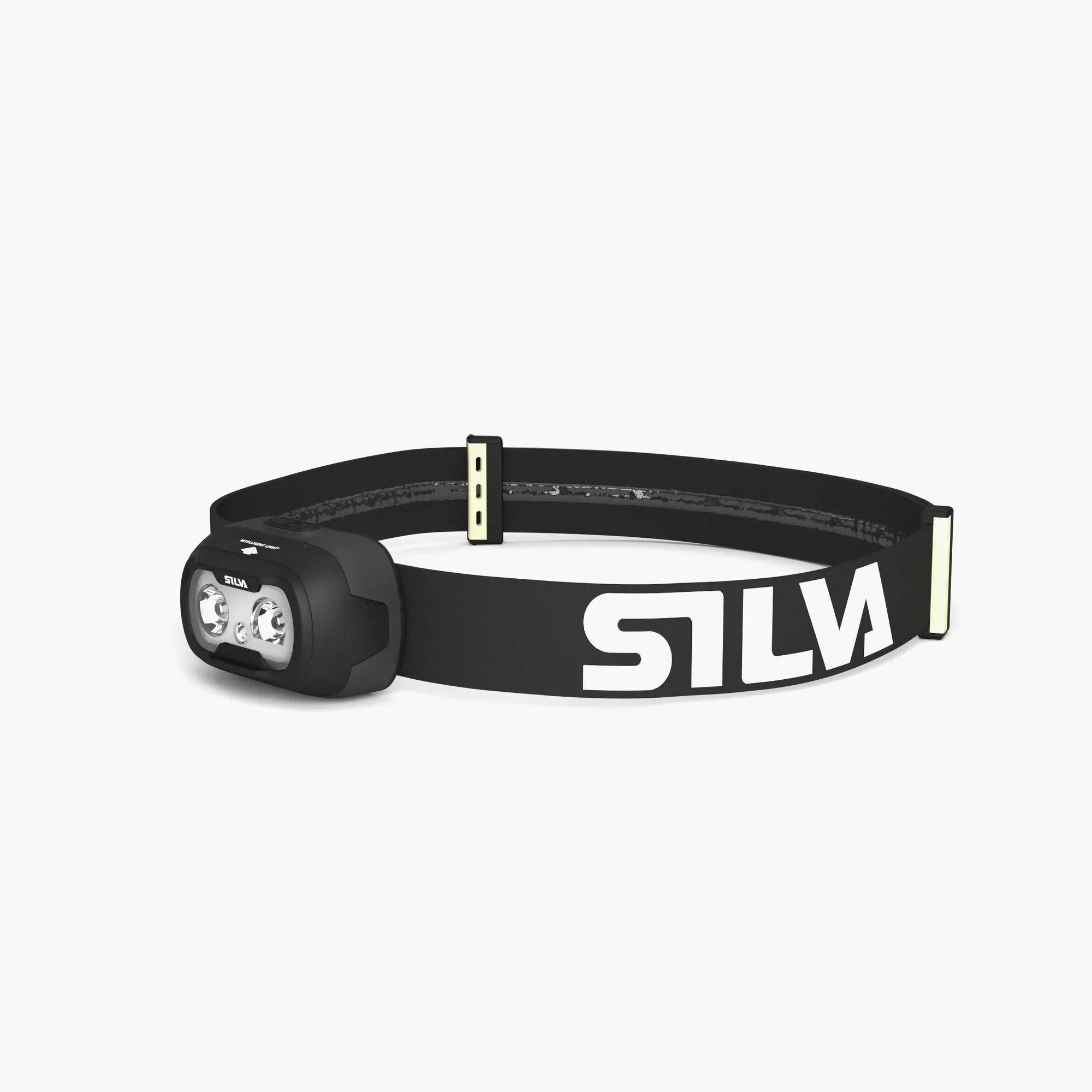
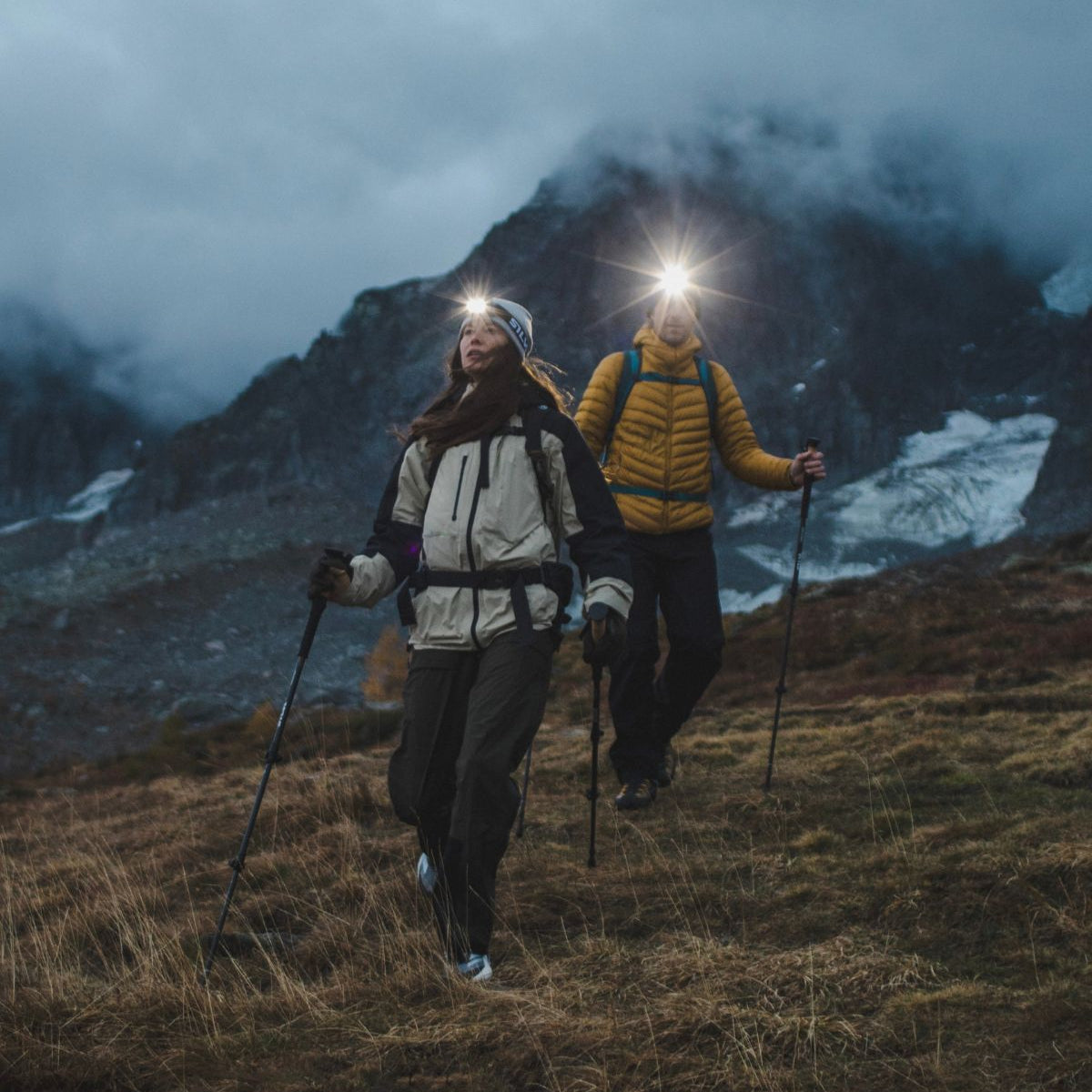
An outdoor headlamp with a red-light mode is useful for checking equipment, reading a star chart or moving around the immediate observing area. Red light disturbs dark-adapted vision less than bright white light, making a low and controllable output more useful here than maximum lumen figures.

Find north before looking up

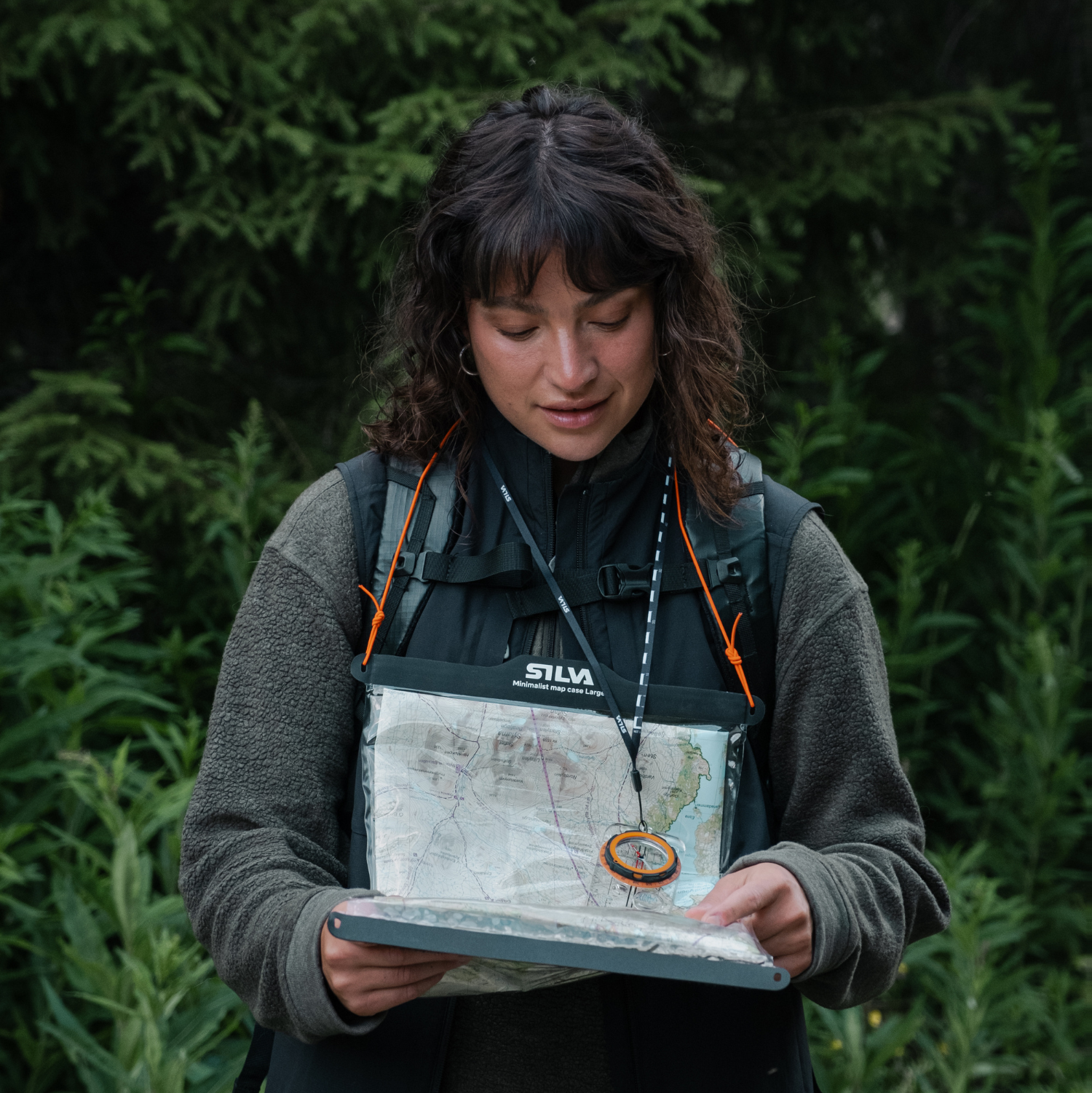
Knowing the cardinal directions can make a physical star chart much easier to use. Establishing north when you arrive gives you a reference point for locating constellations and understanding which part of the sky you are facing.

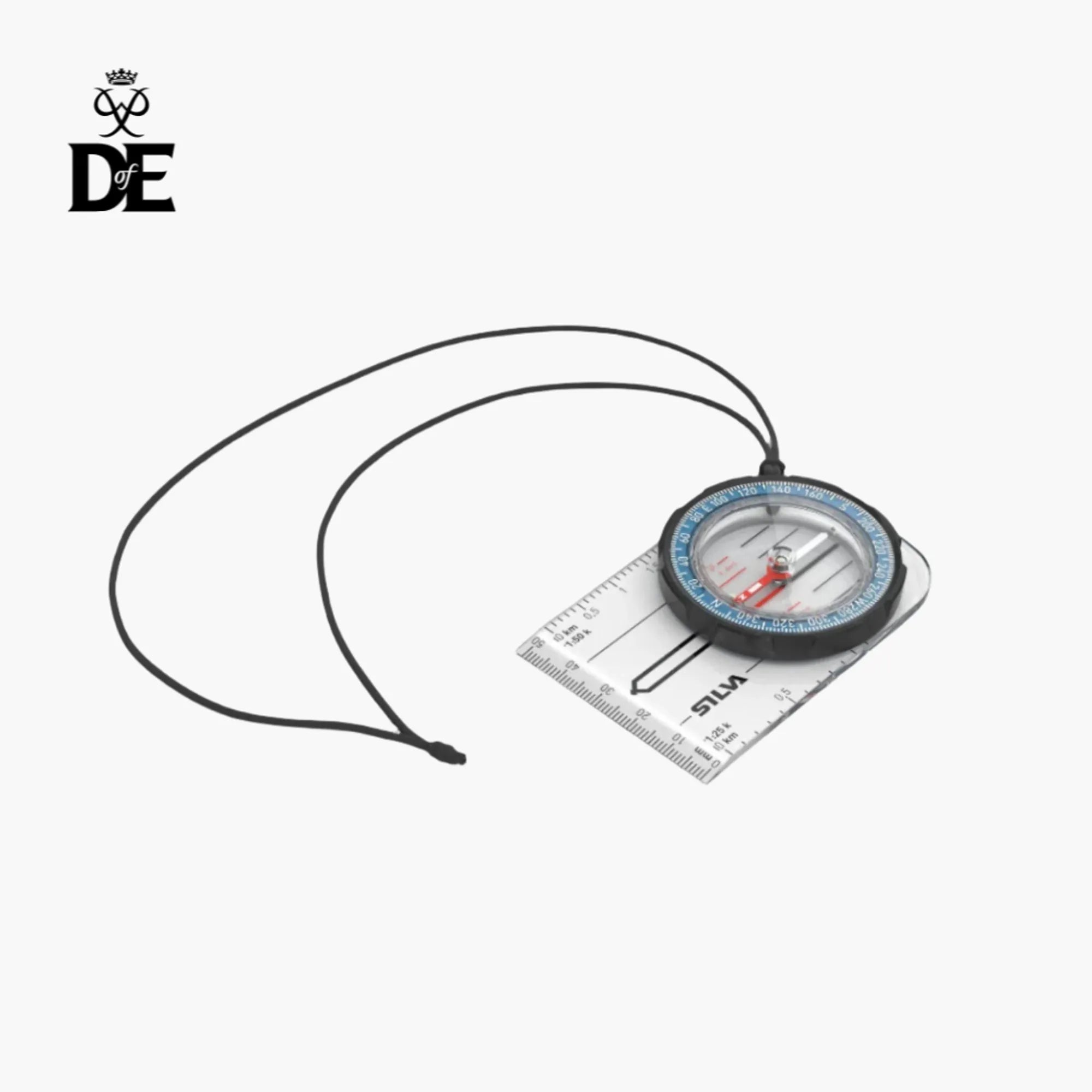
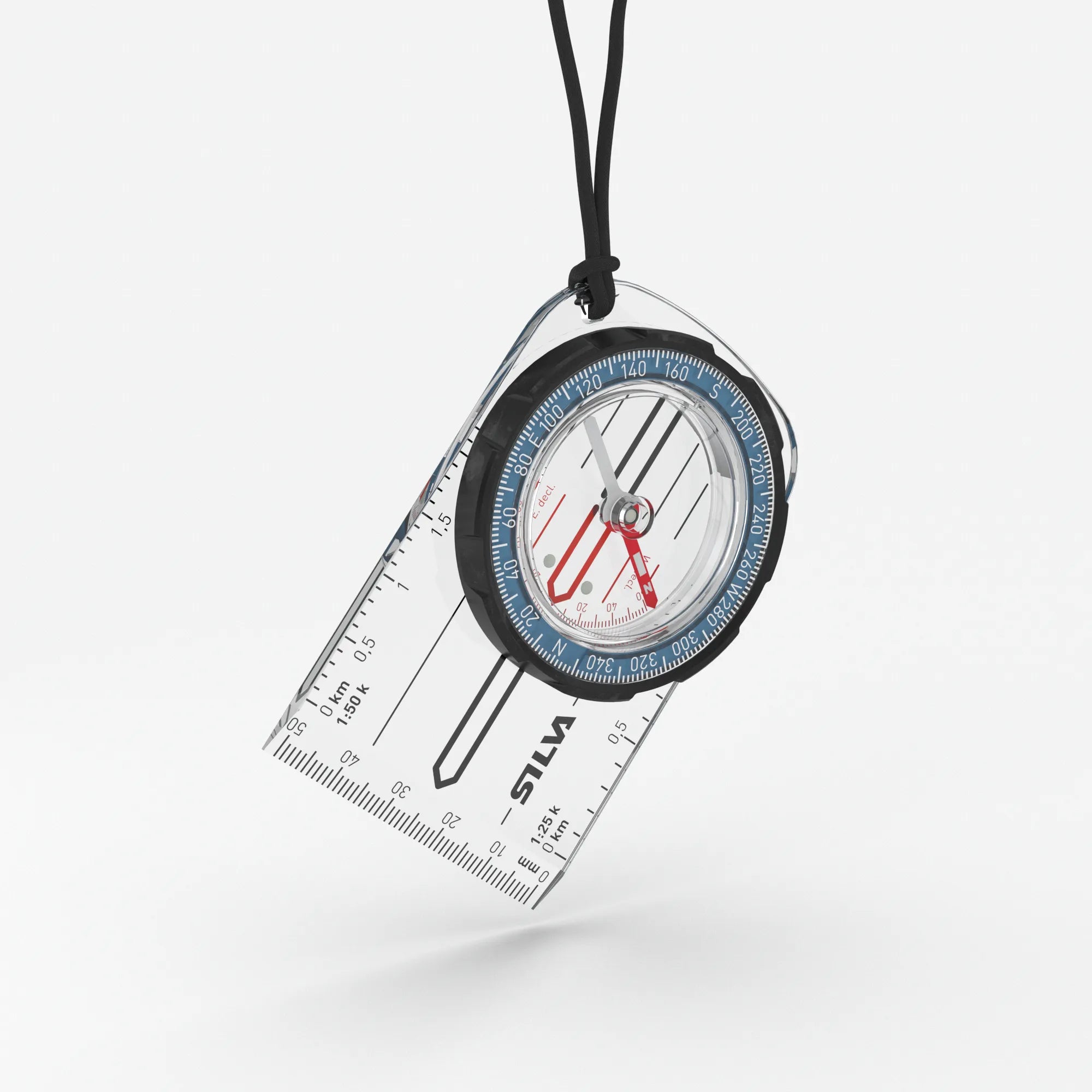
An outdoor compass provides that reference without a phone or battery. It is not essential for observing the stars themselves, but it is useful when learning the sky from an unfamiliar location.

Give the night sky enough darkness

Direct light from roads, buildings and car parks makes faint objects more difficult to distinguish. An open location away from nearby lights gives your eyes a better chance to pick out less obvious stars and structures in the sky.

Stargazing is also a surprisingly static activity. Extra insulation can be more important than expected because you generate far less body heat standing or sitting still than you would while hiking to the same location.

A simple stargazing kit

A first night of observing does not require a long equipment list. A few practical items cover most of the basic needs:

  • Binoculars for the Moon, bright star fields and larger visible star clusters.
  • A headlamp with a red-light mode for charts and equipment after dark adaptation has begun.
  • A compass for establishing the cardinal directions and orienting a star chart.
  • A star chart or astronomy app for identifying constellations and objects.
  • Warm layers and something comfortable to sit or lie on during longer sessions.

Simple equipment is often enough to learn the sky. A pair of binoculars and carefully controlled light can add plenty to an evening without turning the activity into a technical setup exercise.

Frequently asked questions about stargazing gear

These are common questions about binoculars, headlamps and useful equipment for nights spent observing the sky.

What binoculars are good for stargazing?

For handheld use, choose binoculars that feel comfortable and can be kept reasonably steady. 8x magnification generally offers steadier viewing and a wider field, while 10x brings objects closer but makes hand movement more noticeable.

Can you stargaze with normal binoculars?

Yes. Ordinary binoculars can reveal more stars than the naked eye and add detail to the Moon, bright star fields and some clusters. Specialist astronomy optics are better suited when maximum light gathering or much higher magnification is required.

Why is red light used for stargazing?

Red light interferes less with dark-adapted vision than bright white light. It is useful when you need to read a chart, adjust equipment or find something without losing as much of your ability to see faint stars.

How bright should a stargazing headlamp be?

Very high output is rarely useful at the observing site. A low mode and red light are more important there. Brighter white light can still be useful for the walk to and from a remote location.

Do you need a compass for stargazing?

No, but a compass makes it easier to establish the cardinal directions and align a star chart. This is particularly useful when observing from a location you do not already know.

Are you in the right place
Canada Store | $ (CAD)
UK Store | £ (GBP)
US Store | $ (USD)