









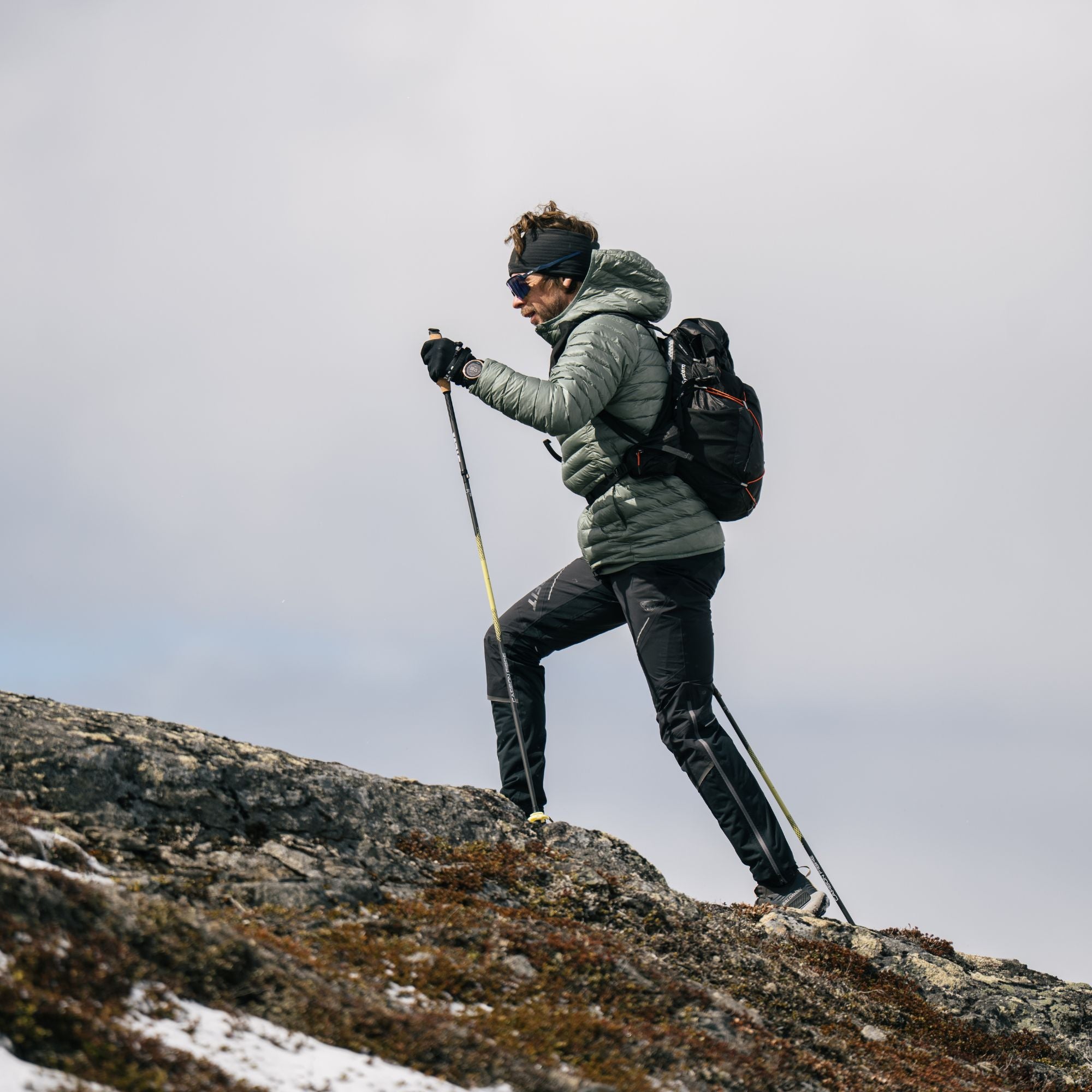




FOR CROSS-COUNTRY SKIING
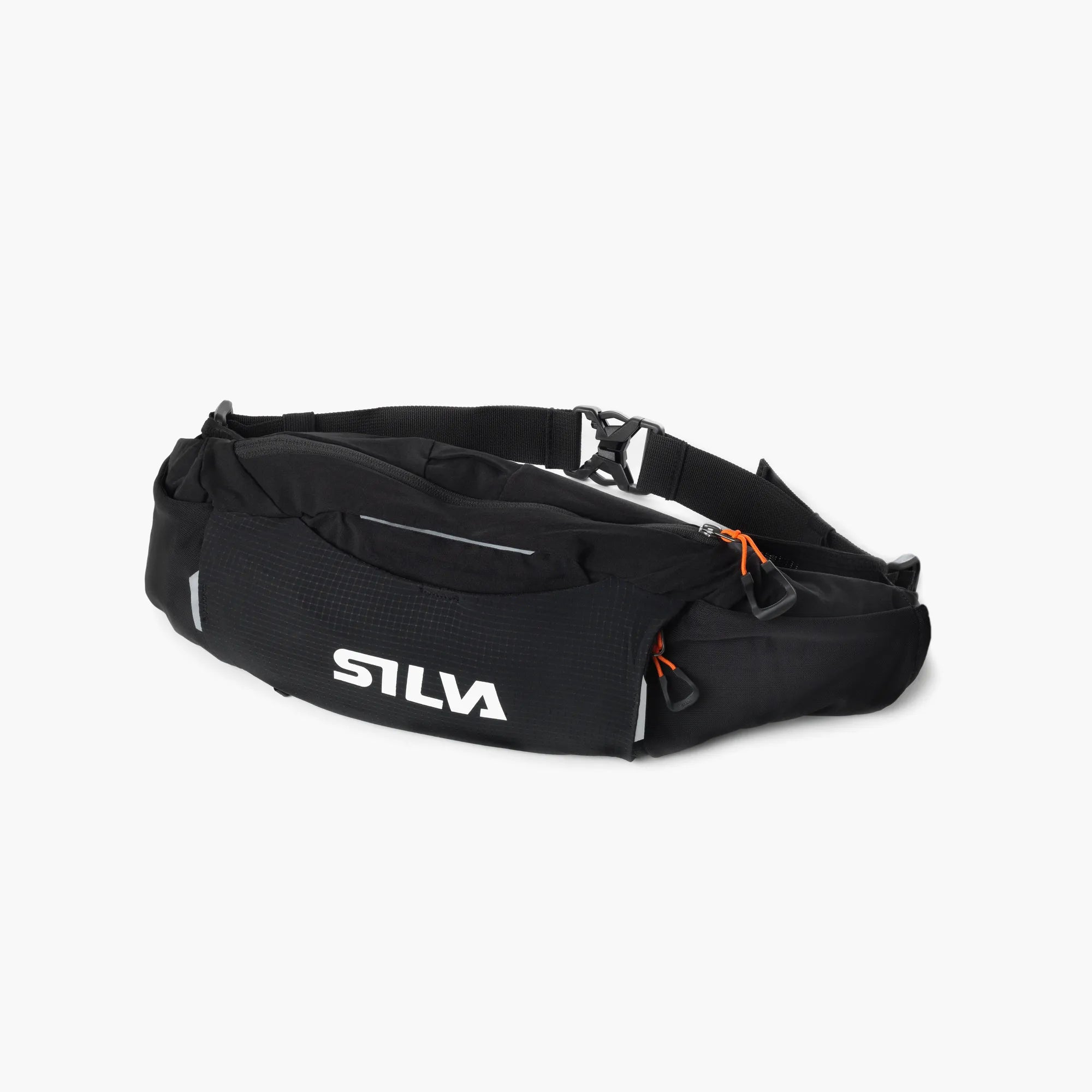
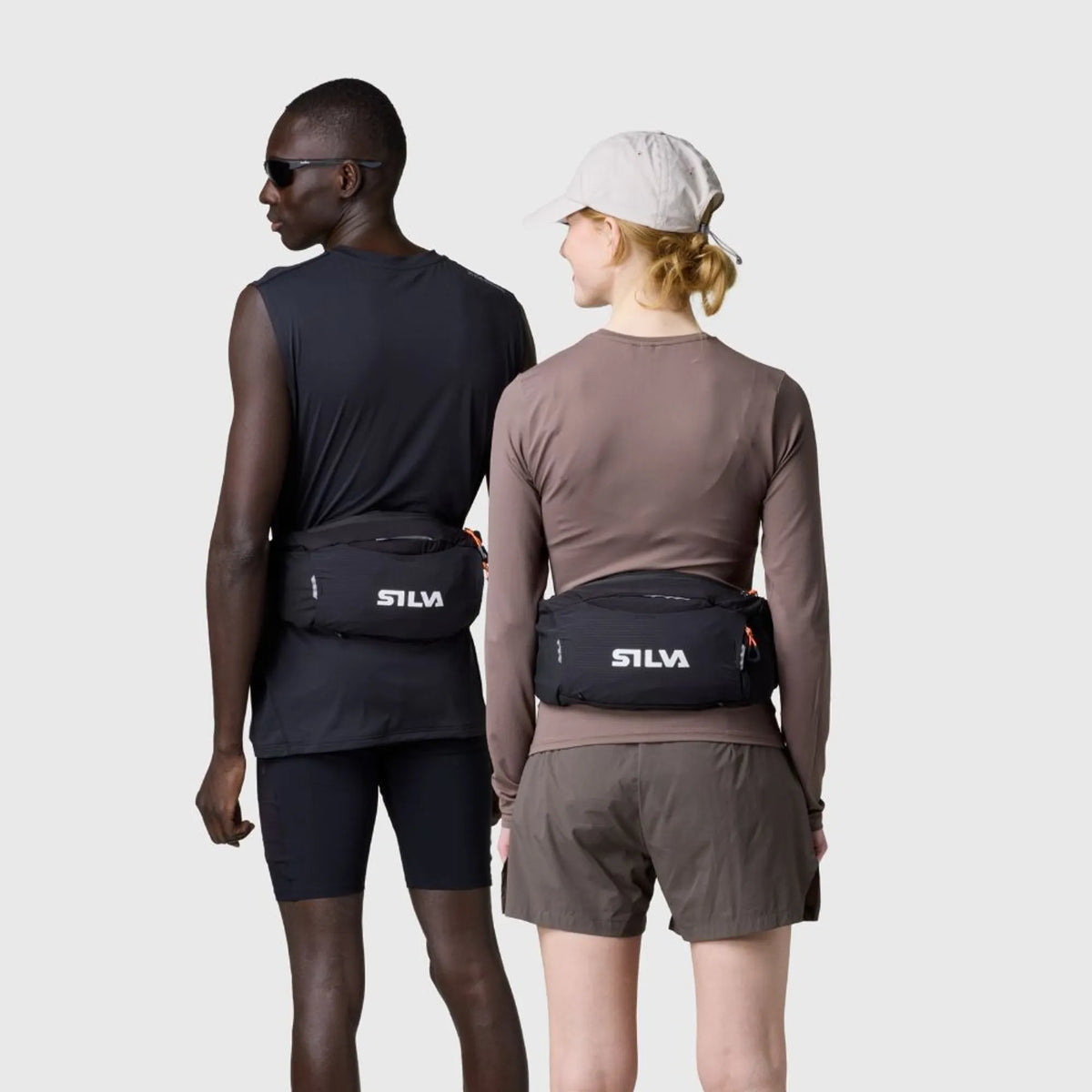
4L hydration belt for XC skiing & running – without bladder
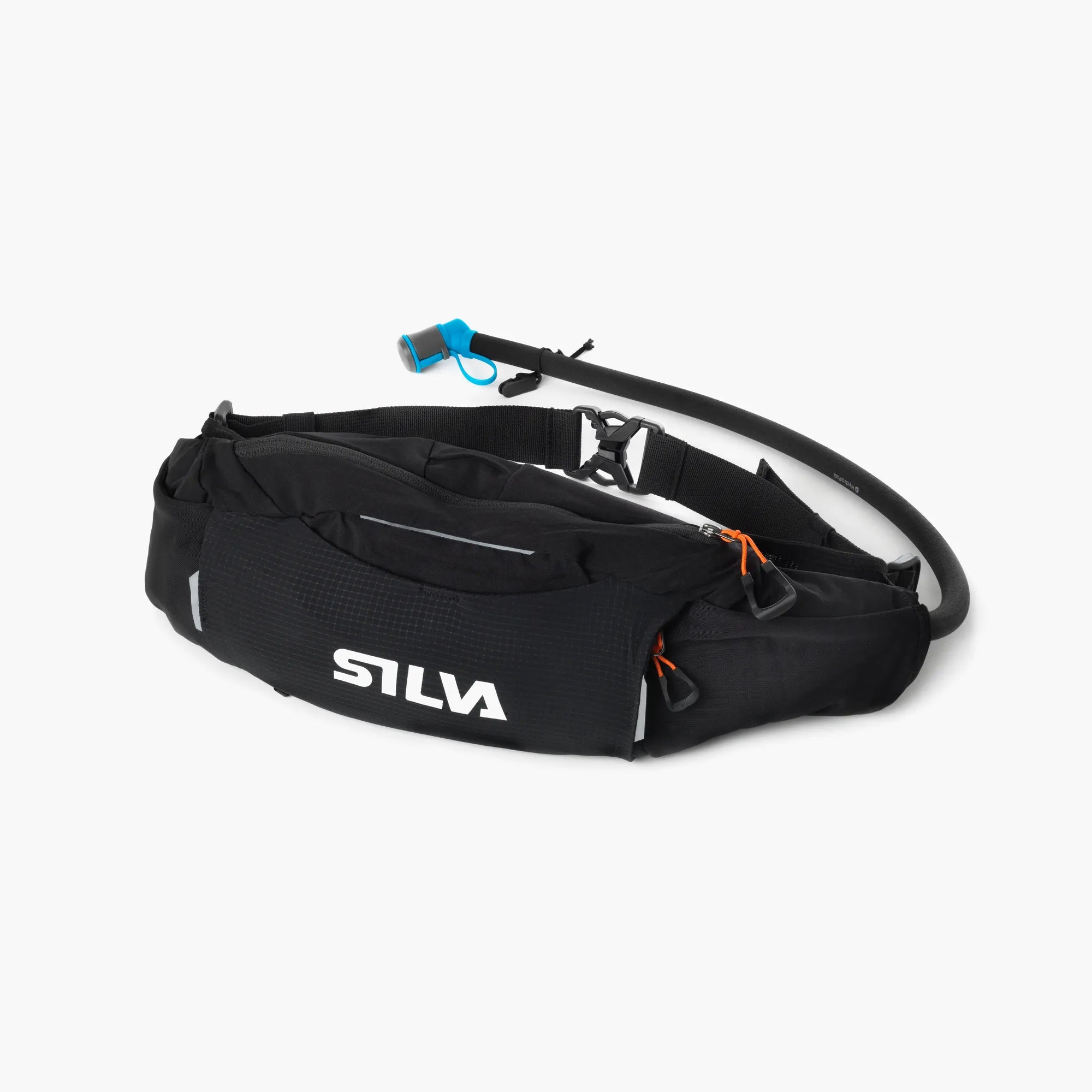
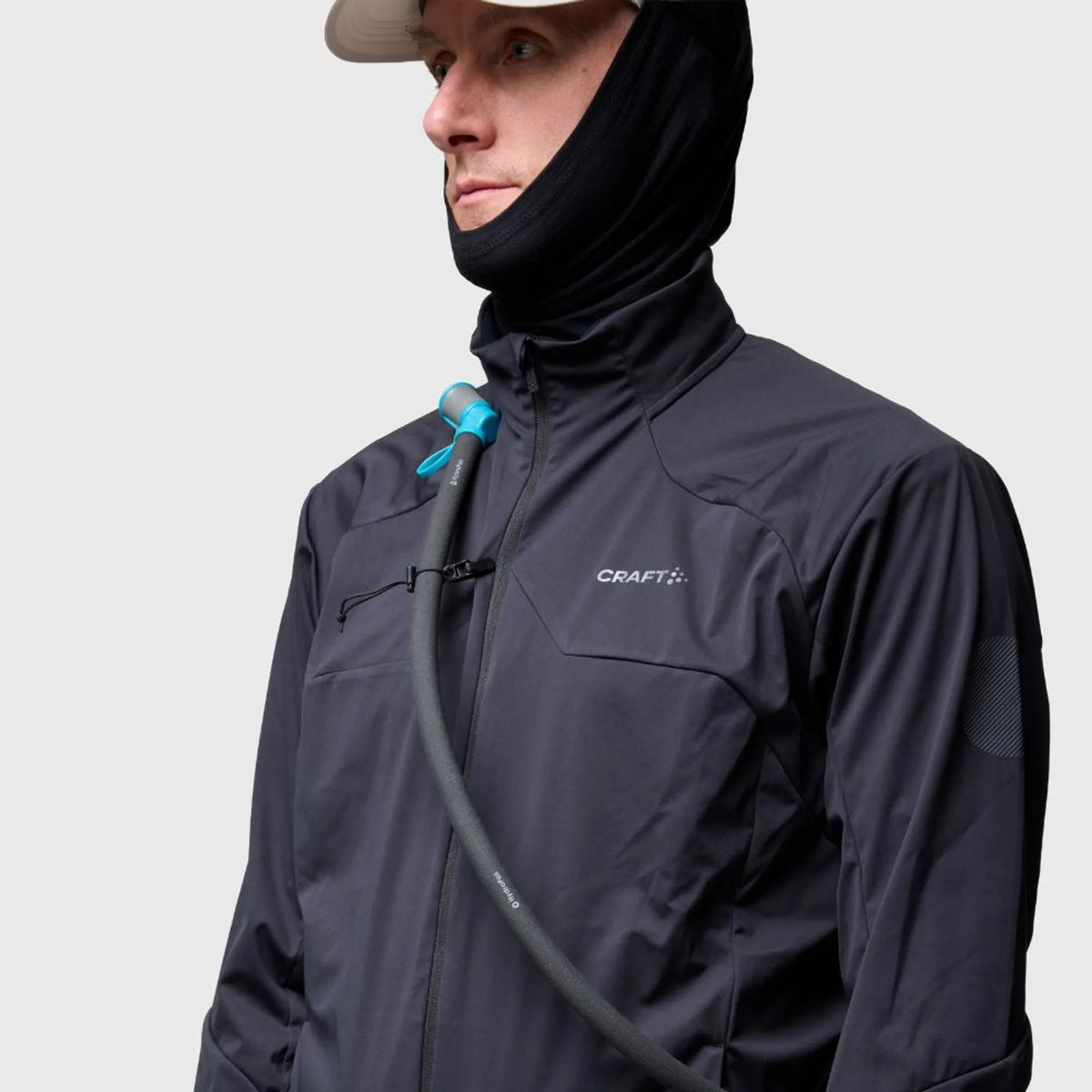
4L hydration belt for XC skiing & running – with bladder
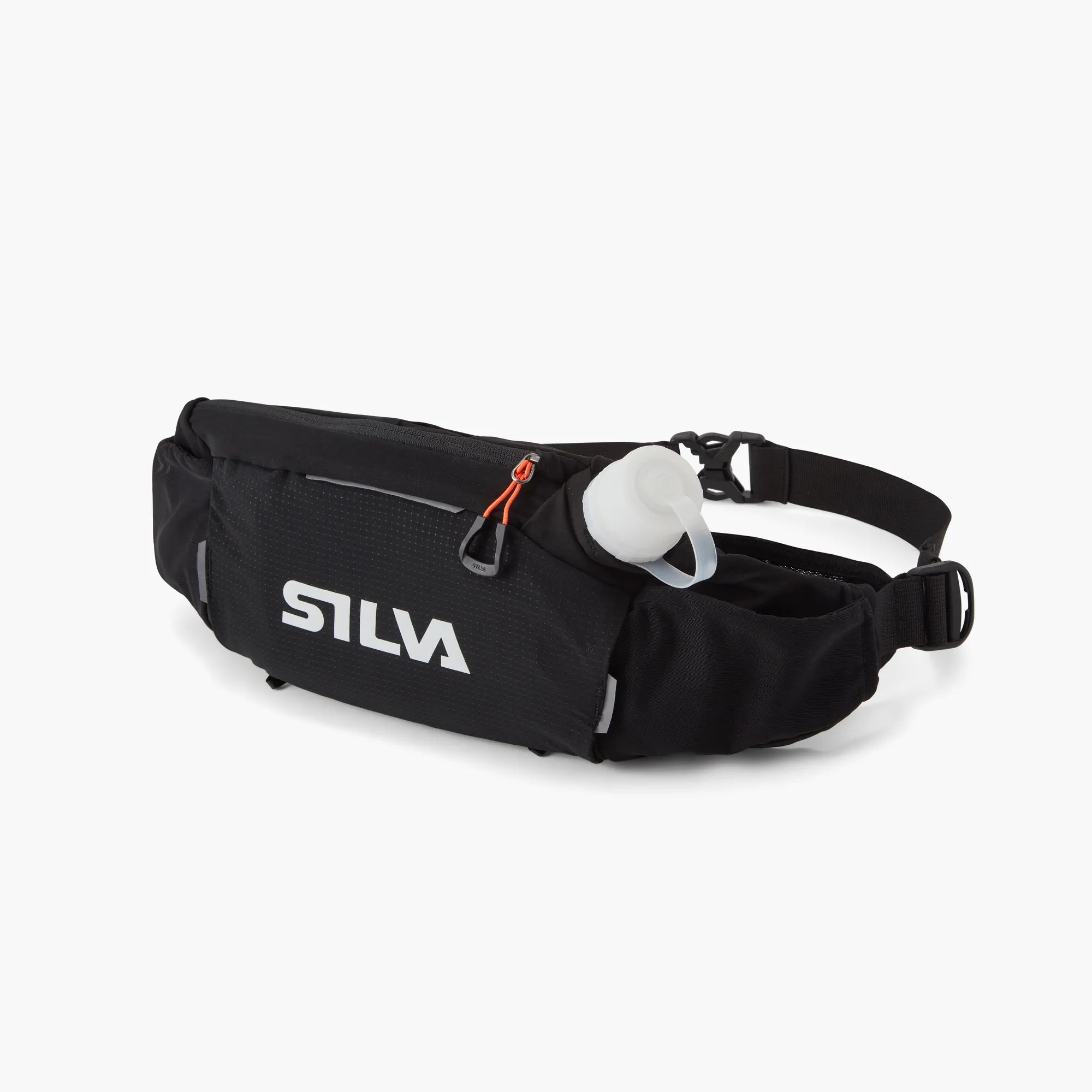
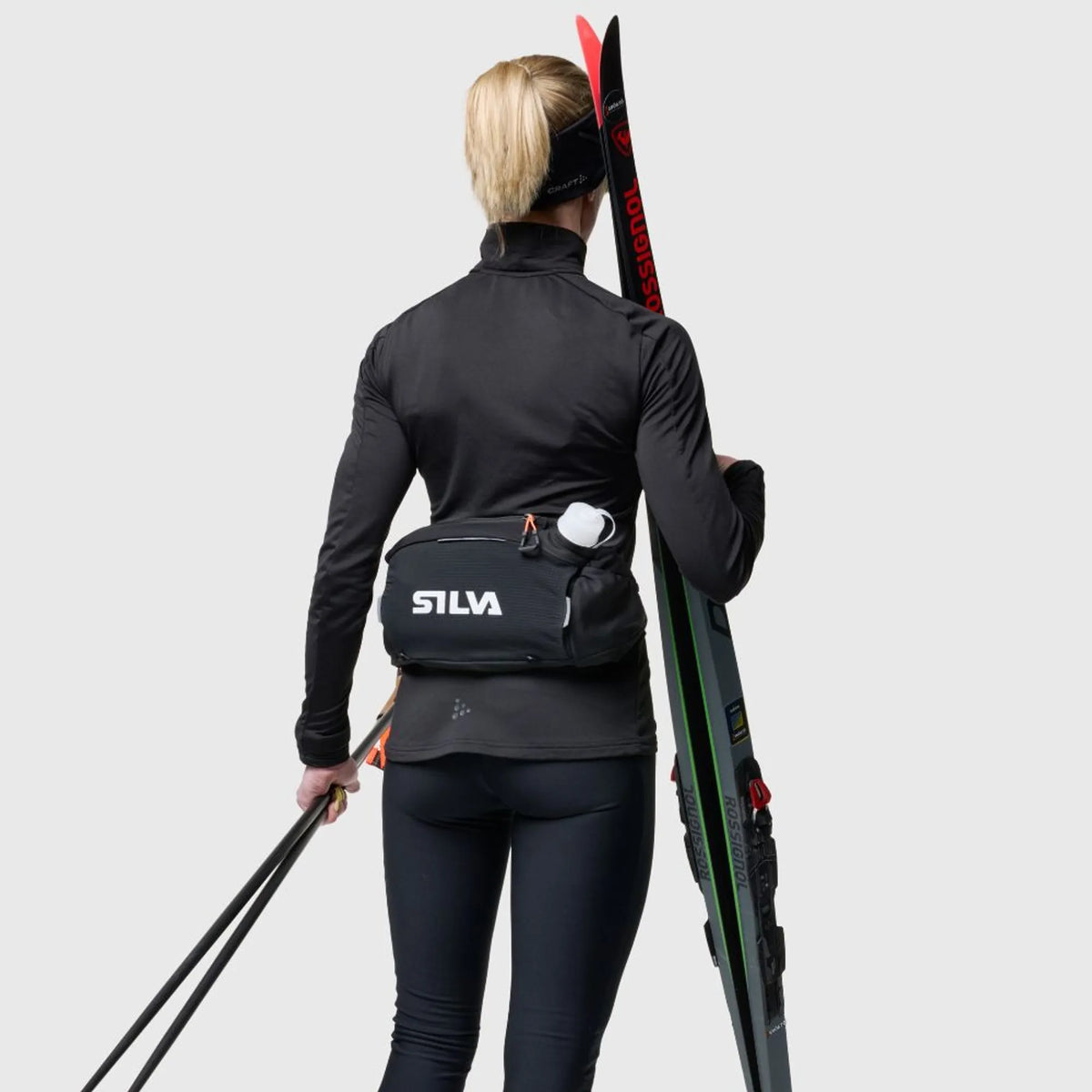
For training sessions on cross-country skis
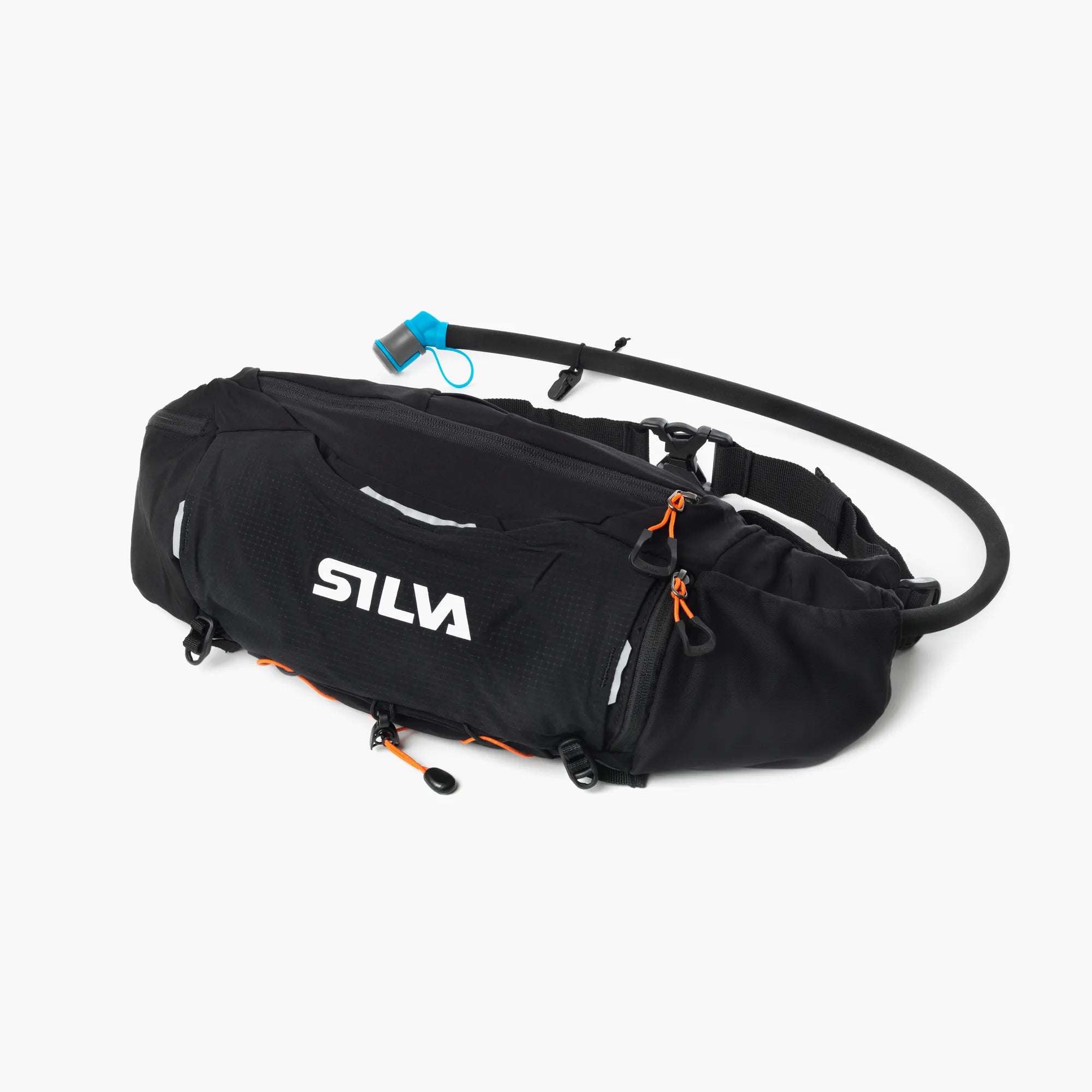

Spacious 10L hydration belt for XC-skiing
FOR RUNNING
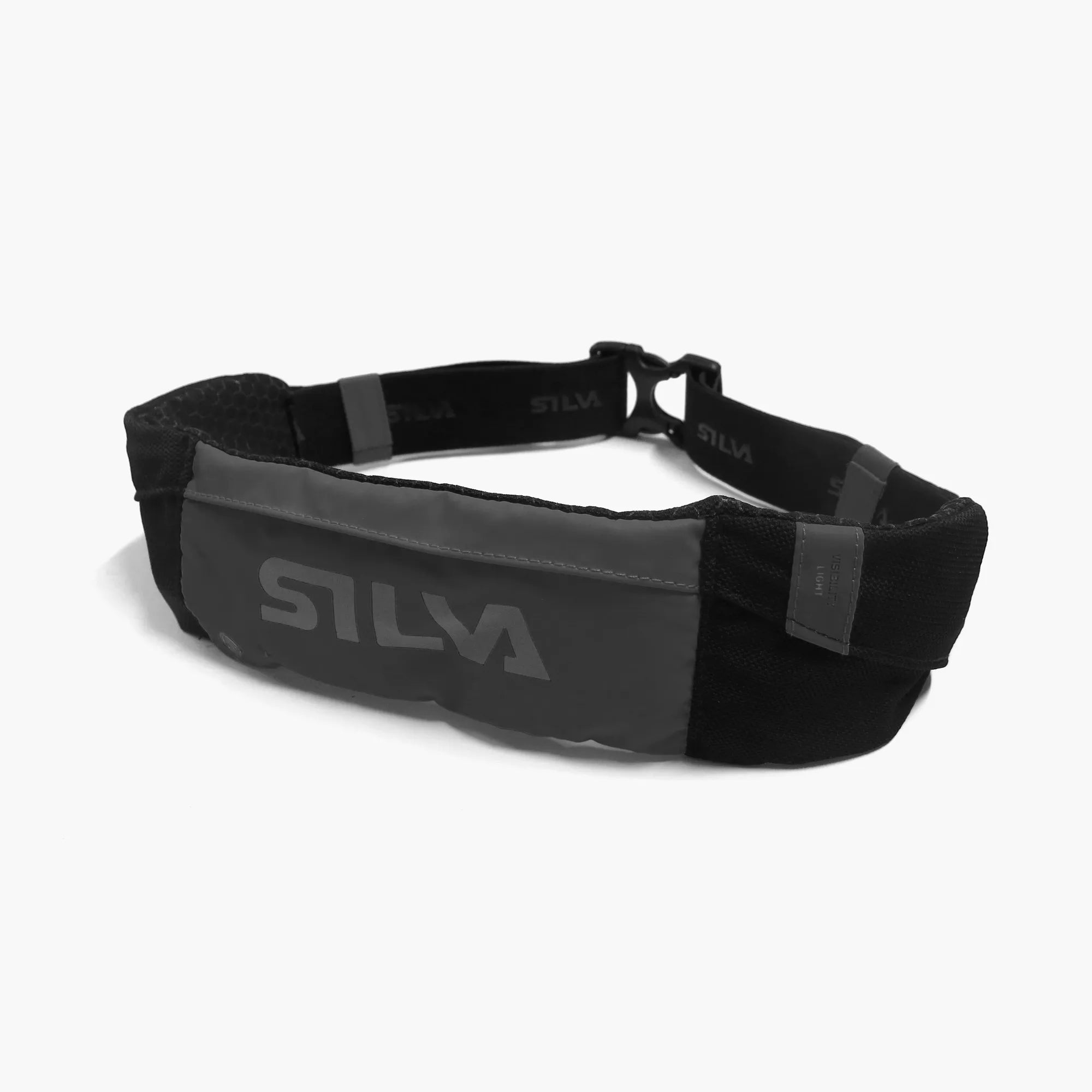

A lightweight running belt for shorter runs
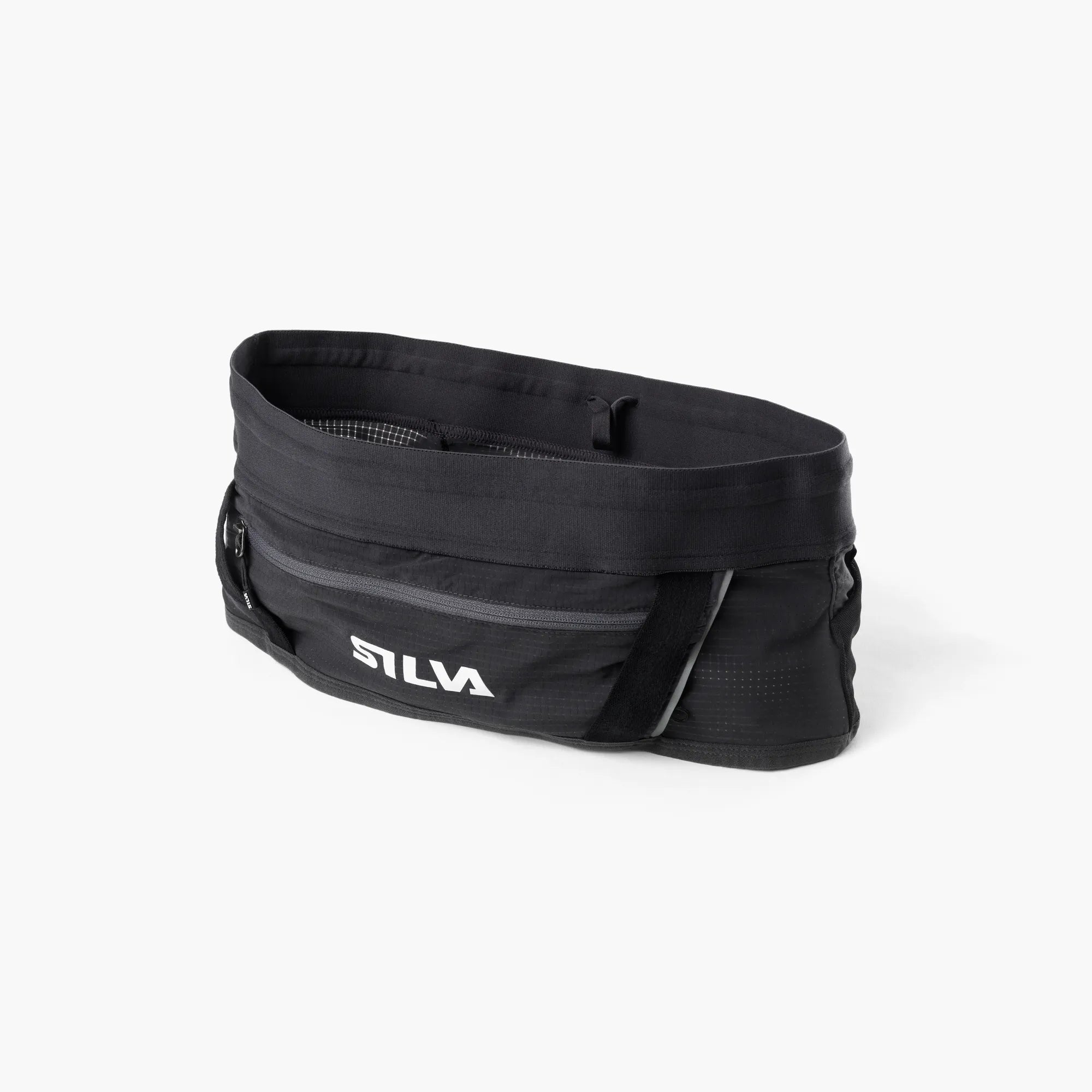
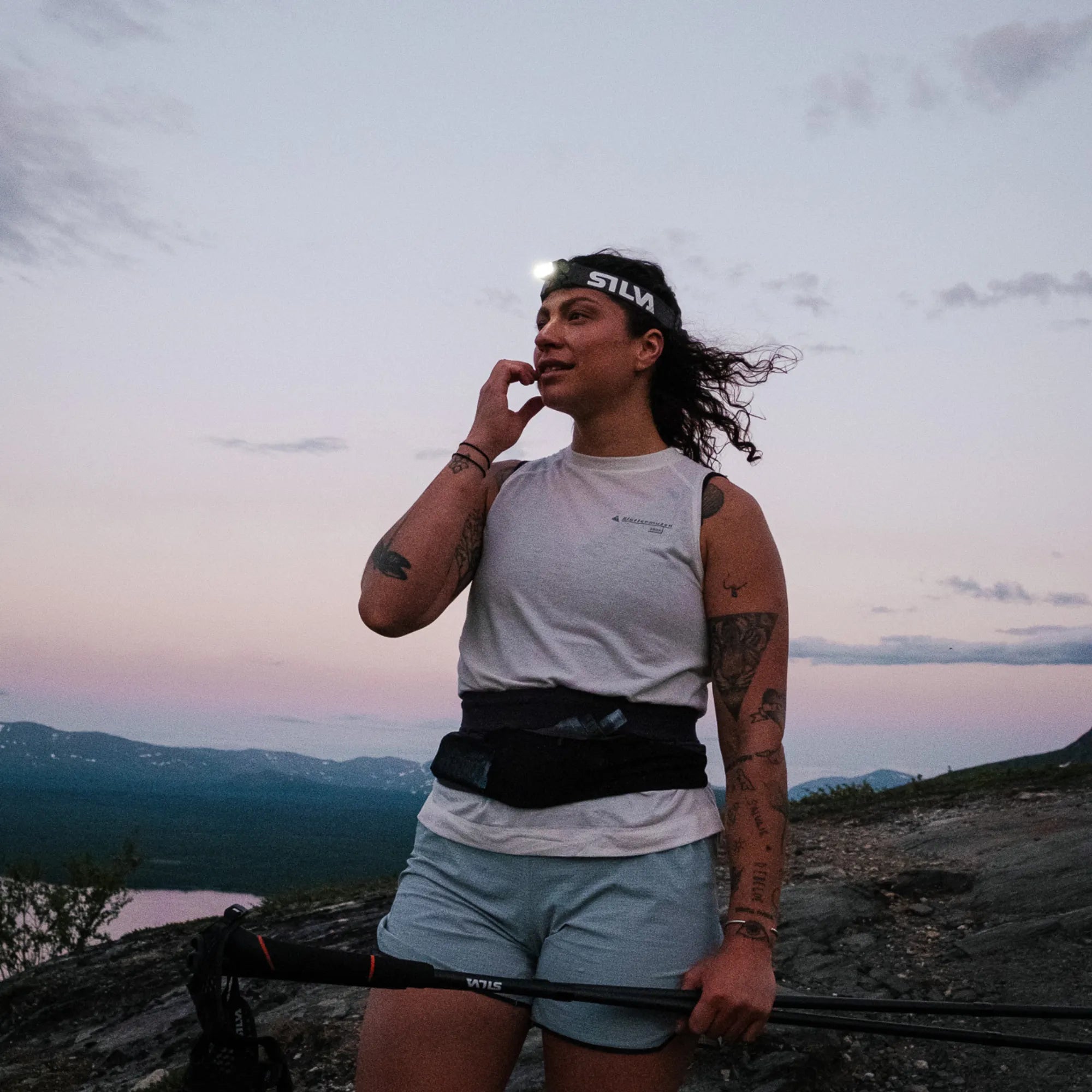
Running belt for phone, keys, and wind jacket
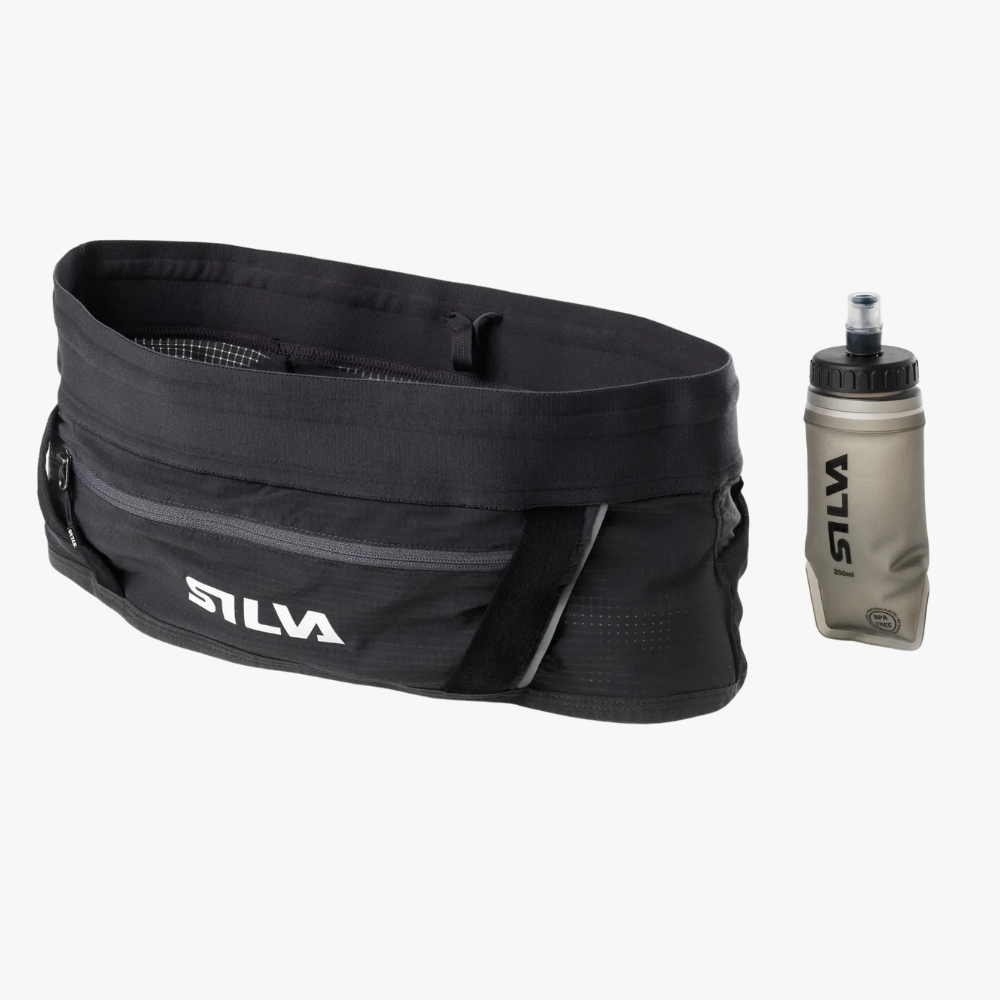

Running Belt including Soft Flask 250 ml
4L hydration belt for XC skiing & running – without bladder
SMART ACCESSORIES

Håller vätskeslangen på plats
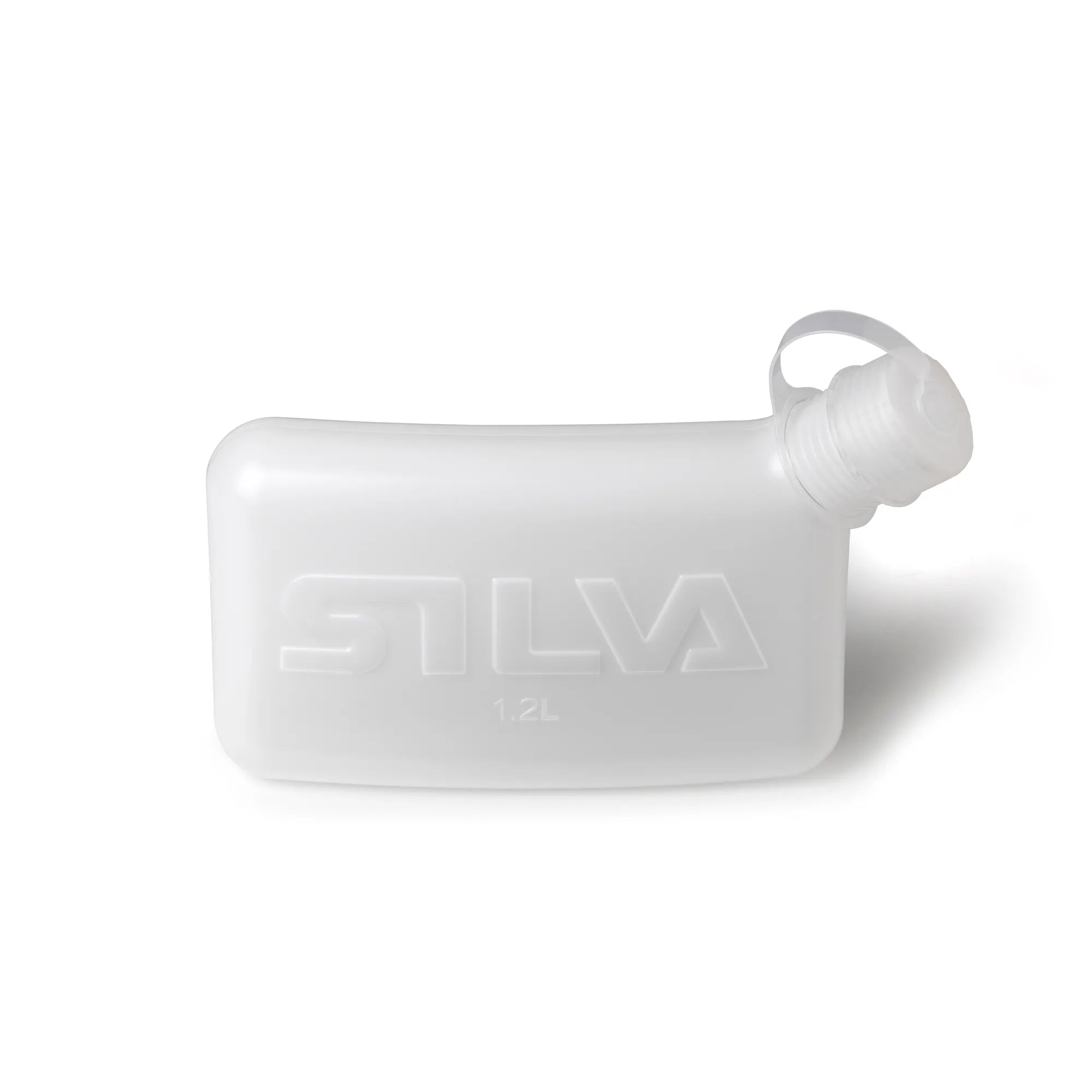
Fits 1.2 liters
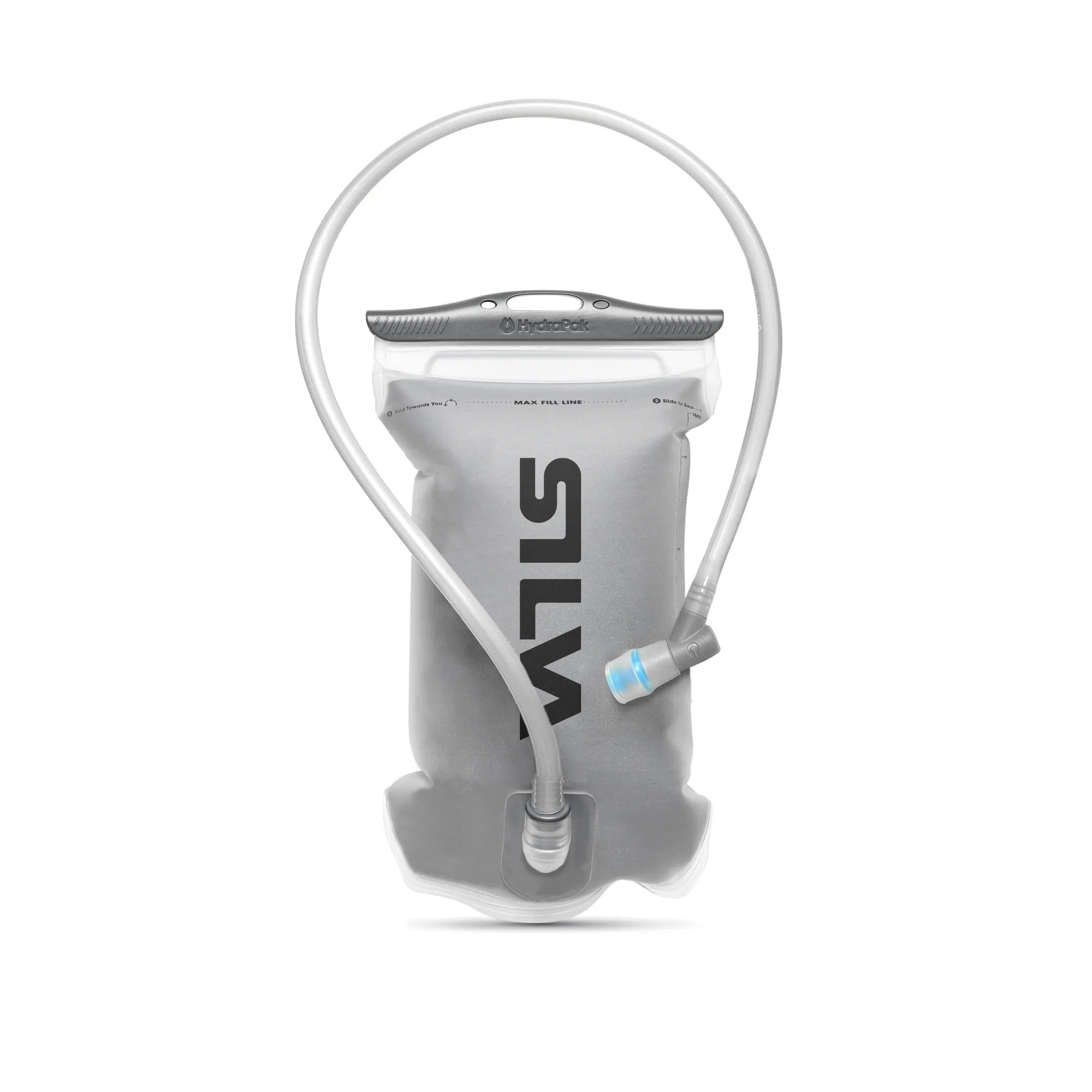
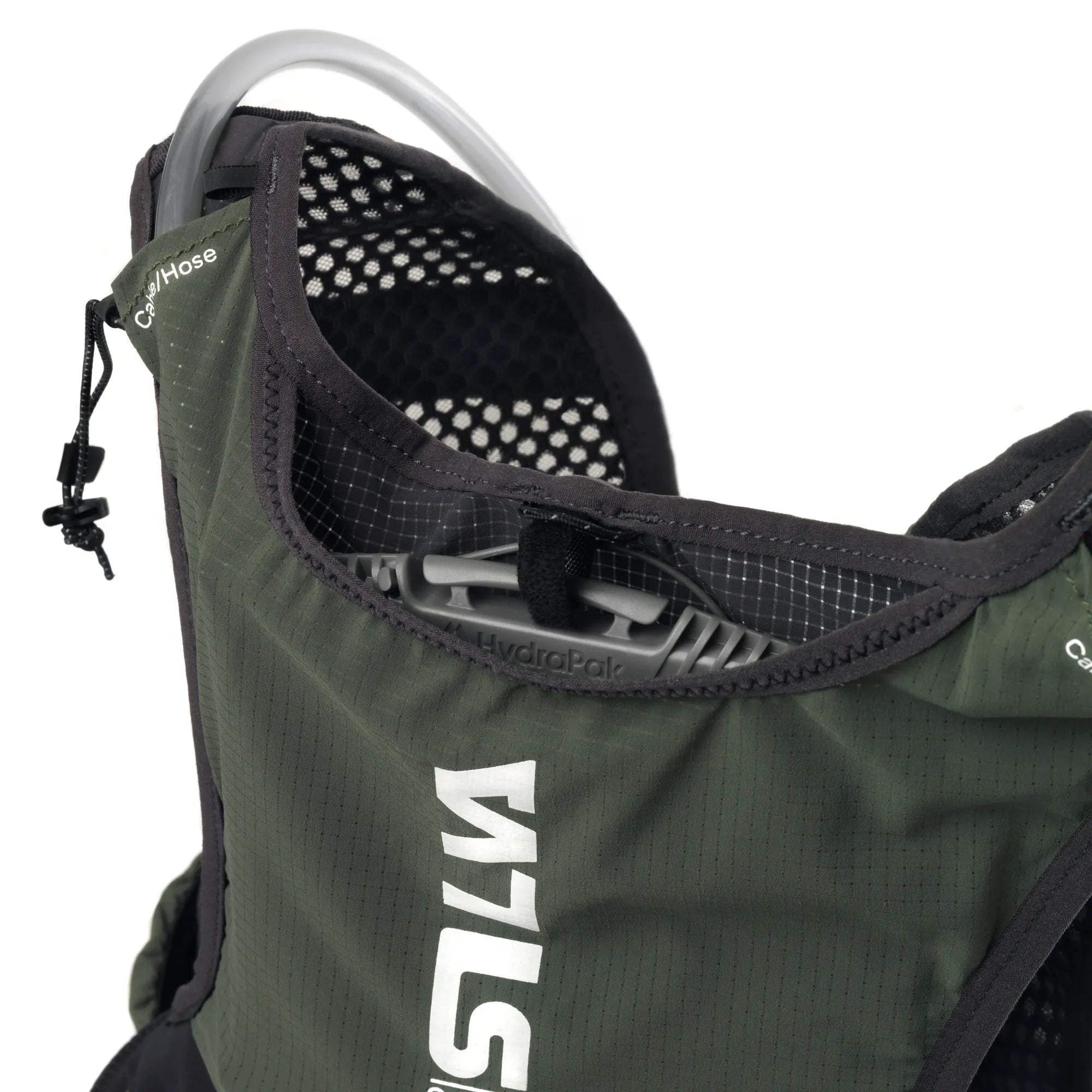
Fits the running vest Strive 5 & 10 and the Mountain Pack
Frequently Asked Questions About Running Belts.
Here, we've gathered some of the most common questions and answers about our hydration belts.
What is the difference between a running belt and a hydration belt?
Running belt and hydration belt for training in motion
A running belt is a convenient option when you want to carry the essentials close to your body without using a backpack. It is suitable for short runs, intervals, urban running, and trail sessions where your phone, keys, energy supplies, or a light wind jacket need to come along.
For longer sessions, winter training, and cross-country skiing, a hydration belt can provide more storage capacity and easier access to fluids. Silva’s range suits both regular runners and those who need a stable hydration belt for running, cross-country skiing, or other endurance training.
Vilket vätskebälte passar bäst för dina behov?
Strive Loop running belt is a lightweight and flexible option when you want to carry your phone, keys, energy, and a thin jacket during shorter runs. For those who want hydration included from the start, Strive Loop running belt + Soft flask is a practical option for running where you want to carry water without unnecessary bulk.
For longer sessions and cross-country skiing, Flex Belt 10 Liter, Flow Belt 6 Liter, and Race Belt 4L with Reservoir offer more space for hydration, extra layers, and energy. If you already have a hydration bladder or want to choose your own setup, Race Belt 4L can be a more flexible option.
How to choose the right running belt
Start by considering how far you train, what you need to carry, and whether the belt will mainly be used for running, skiing, or multiple activities.
- For shorter runs: Choose a lightweight running belt with a pocket for your phone, keys, and energy when you want minimal gear.
- For hydration during running: Choose a running belt with a water bottle or soft flask when you want to drink without wearing a vest.
- For cross-country skiing: Choose a hydration belt with larger capacity, an insulated solution, and space for extra energy or light layers.
- For phone and small items: Choose a waist belt for running with a stable fit so the contents don’t bounce when the pace increases.
Which accessories best complement your hydration belt?
For short and medium-length sessions, a running belt is often enough, but for longer trail runs a running vest can provide more storage capacity and more pockets. If you want to adapt your setup to each session, Hydration Reservoir V 1L and Magnetic Hose Mount are practical additions to your hydration system.
For more solutions for bags, belts, and packing, Silva’s accessories for bags and running belts offer additional options. For winter training, the belts also pair naturally with equipment for skiing and snowboarding.
What distinguishes Silva’s hydration belts and running belts?
Silva develops equipment for movement where fit, access, and balance need to work throughout the entire activity. A Silva hydration belt or running belt is therefore designed to sit close to the body and provide quick access to what you need without disrupting your rhythm.
If you want to compare belts, vests, and backpacks, Silva’s Pack Guide offers practical guidance. It helps you find the right carrying solution for short runs, long sessions, commuting, and winter training.
Which running belt is suitable for a phone?
A running belt for a phone should have a stable pocket that keeps the phone close to the body. This reduces bouncing and makes the phone easy to access during your run. Choose the size based on your phone, keys, and how much energy you usually carry.
When should I choose a hydration belt instead of a running vest?
A hydration belt is suitable when you want to carry water, energy, and small items but don’t need as much storage capacity as a vest provides. It is especially practical for running, cross-country skiing, and sessions where you want to keep your upper body free. For longer trail runs, a vest may be a better option.
Does a running belt with a water bottle work for longer sessions?
Yes, a running belt with a water bottle works well when you need regular hydration but want to keep your load light. For very long sessions, you may need a larger capacity or complement it with another hydration solution. Always test the belt during training before using it in a race.
Can a hydration belt be used for cross-country skiing?
Yes, several hydration belts are designed for cross-country skiing and longer winter sessions. They provide space for drinks, energy, and small essentials without interfering with pole movement or technique. Insulated solutions are especially useful when temperatures drop.
Are you in the right place
Please select your store